

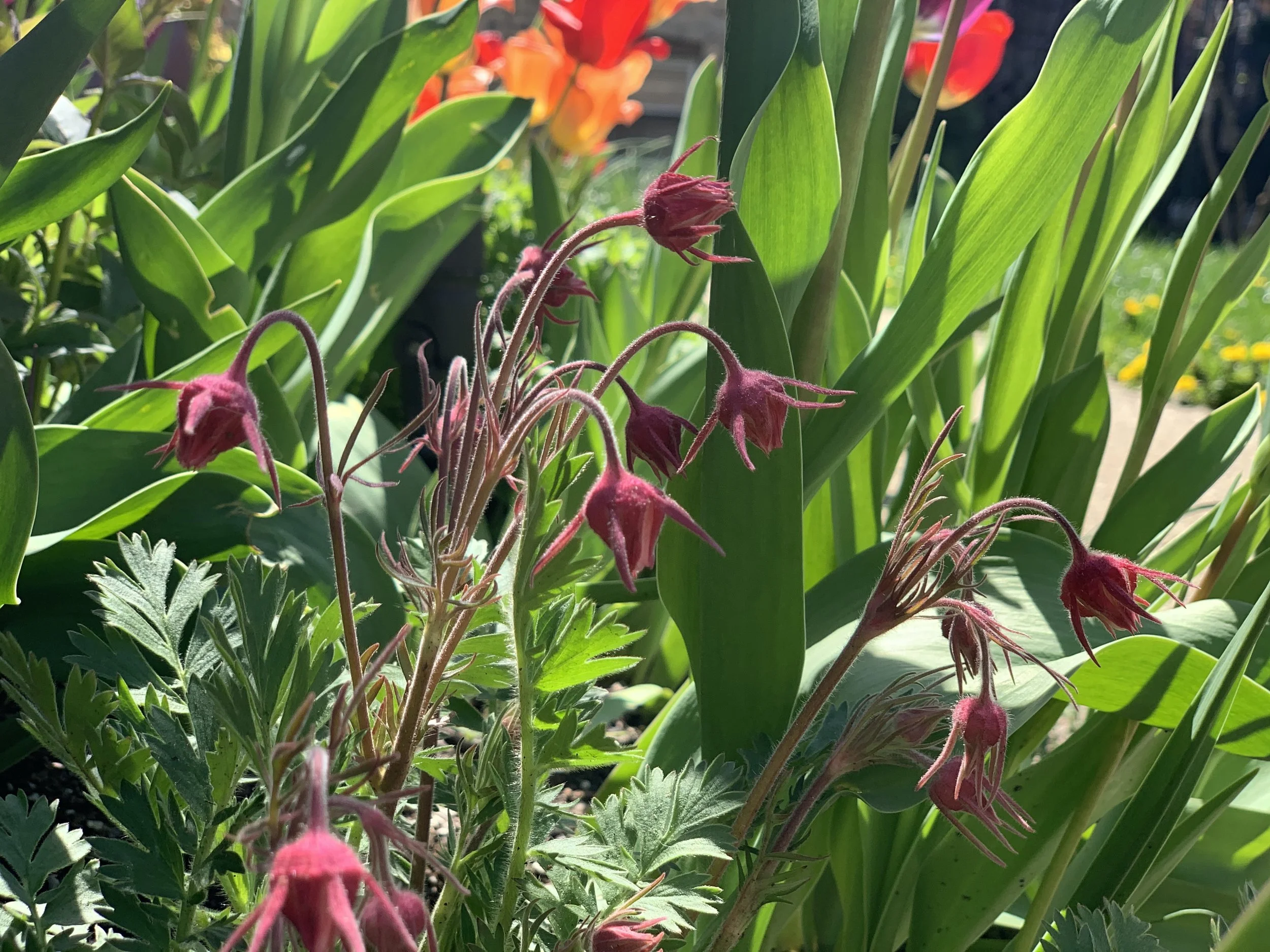
May 2026 - Native Plant of the Month
Discover Geum triflorum (Prairie Smoke), a drought-tolerant, low-maintenance native perennial perfect for dry soils, pollinator gardens, and green roofs.
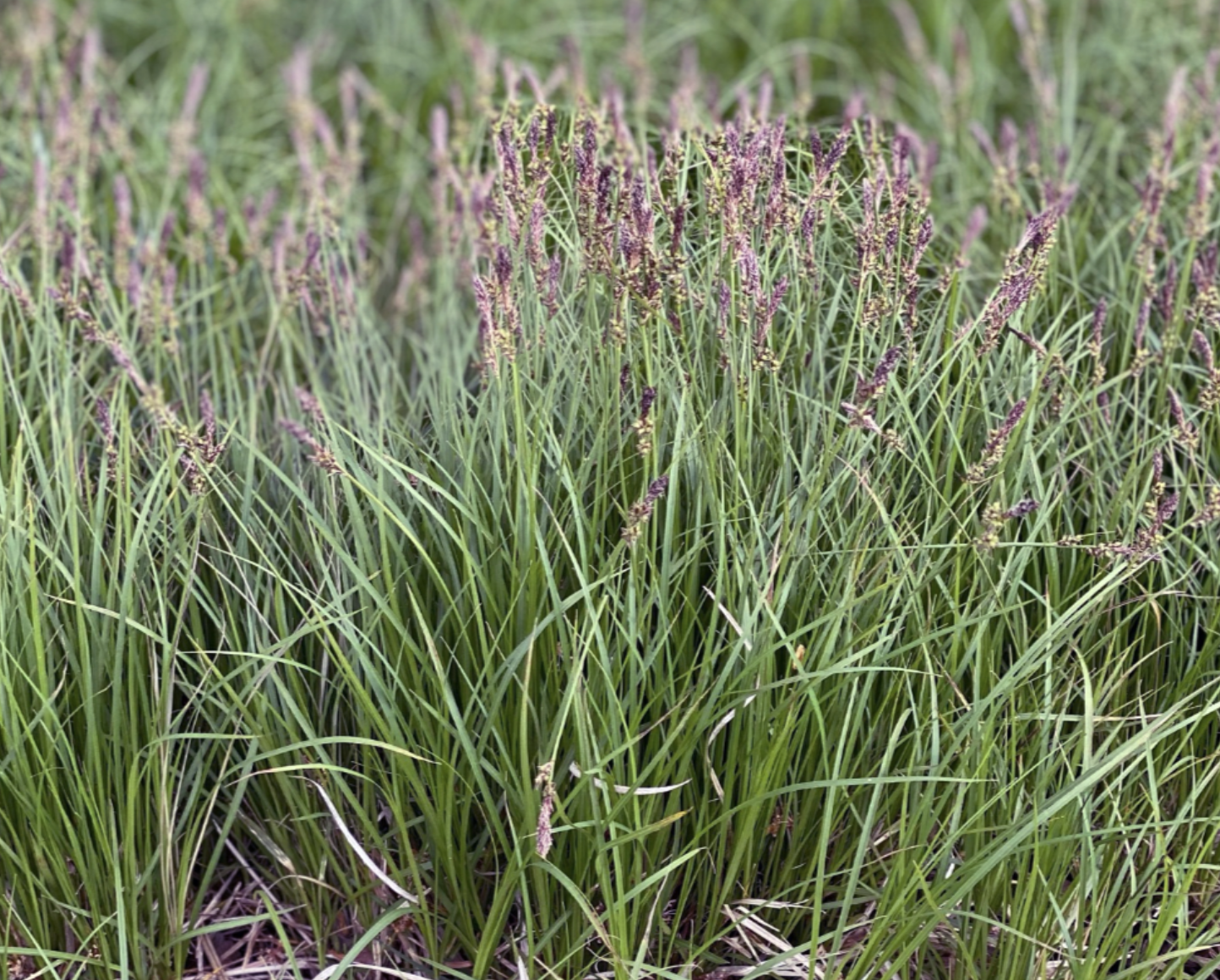
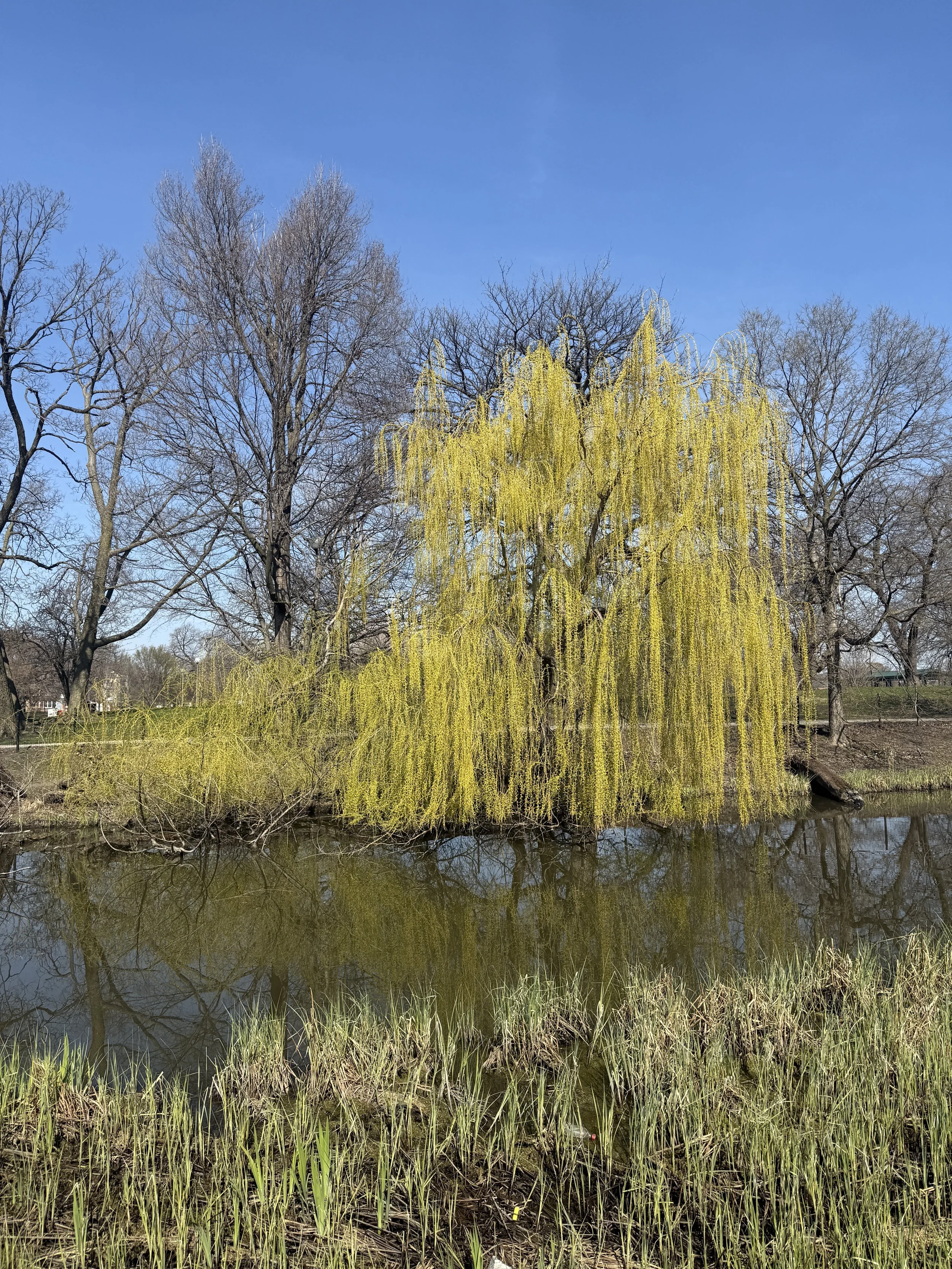
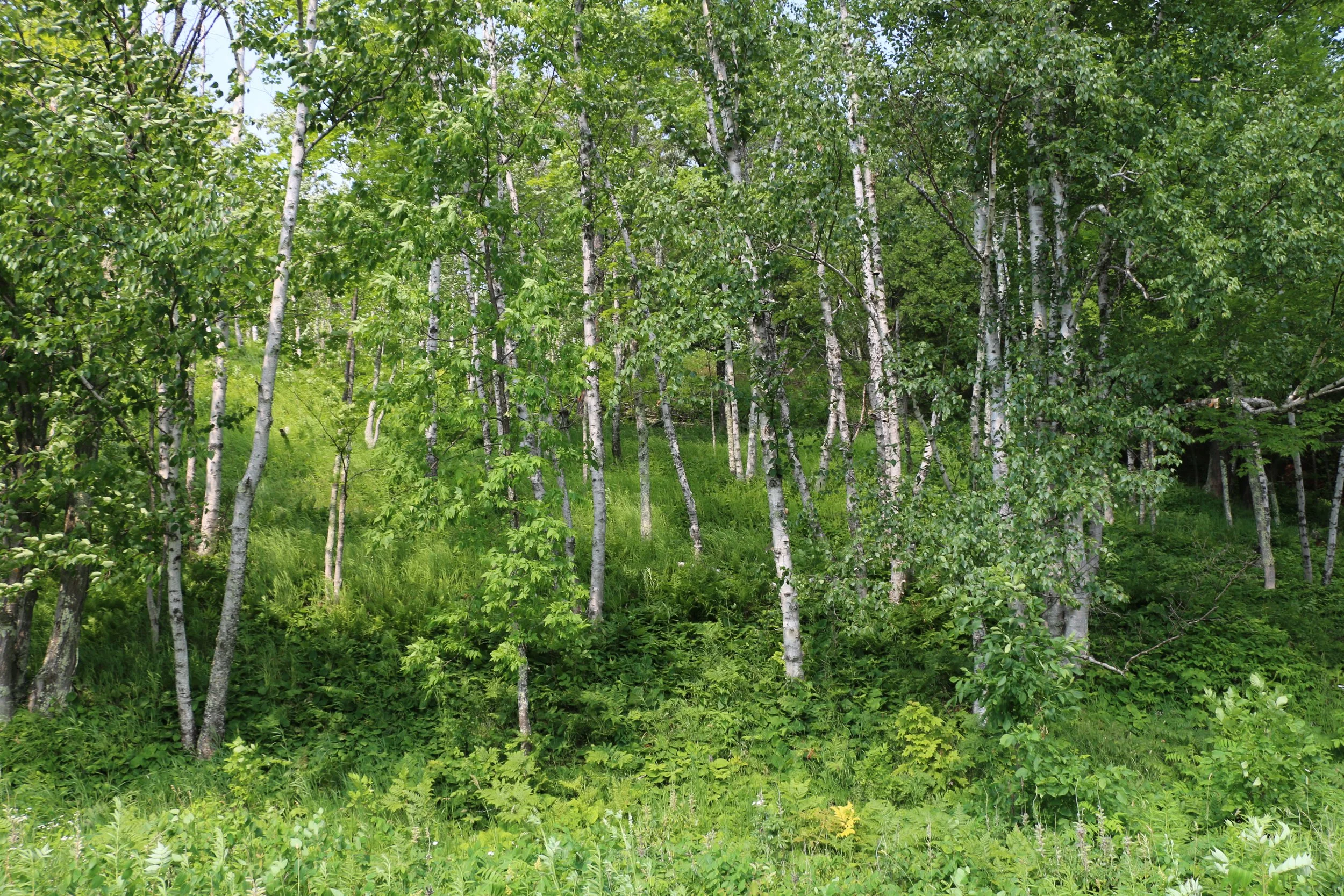
December 2025 - Native Plant of the Month: Birch (Betula, spp.)
There’s something unmistakable about a birch tree—its bark. Unlike many trees that are identified by their leaves, birches are best known for their peeling, curling bark, which appears in shades of white, cinnamon, bronze, and soft pink. Some glow bright white with dark striations and “eyes,” while others take on warmer, coppery tones. This distinctive bark makes birch easy to recognize even in the depths of winter, long after the leaves have fallen.
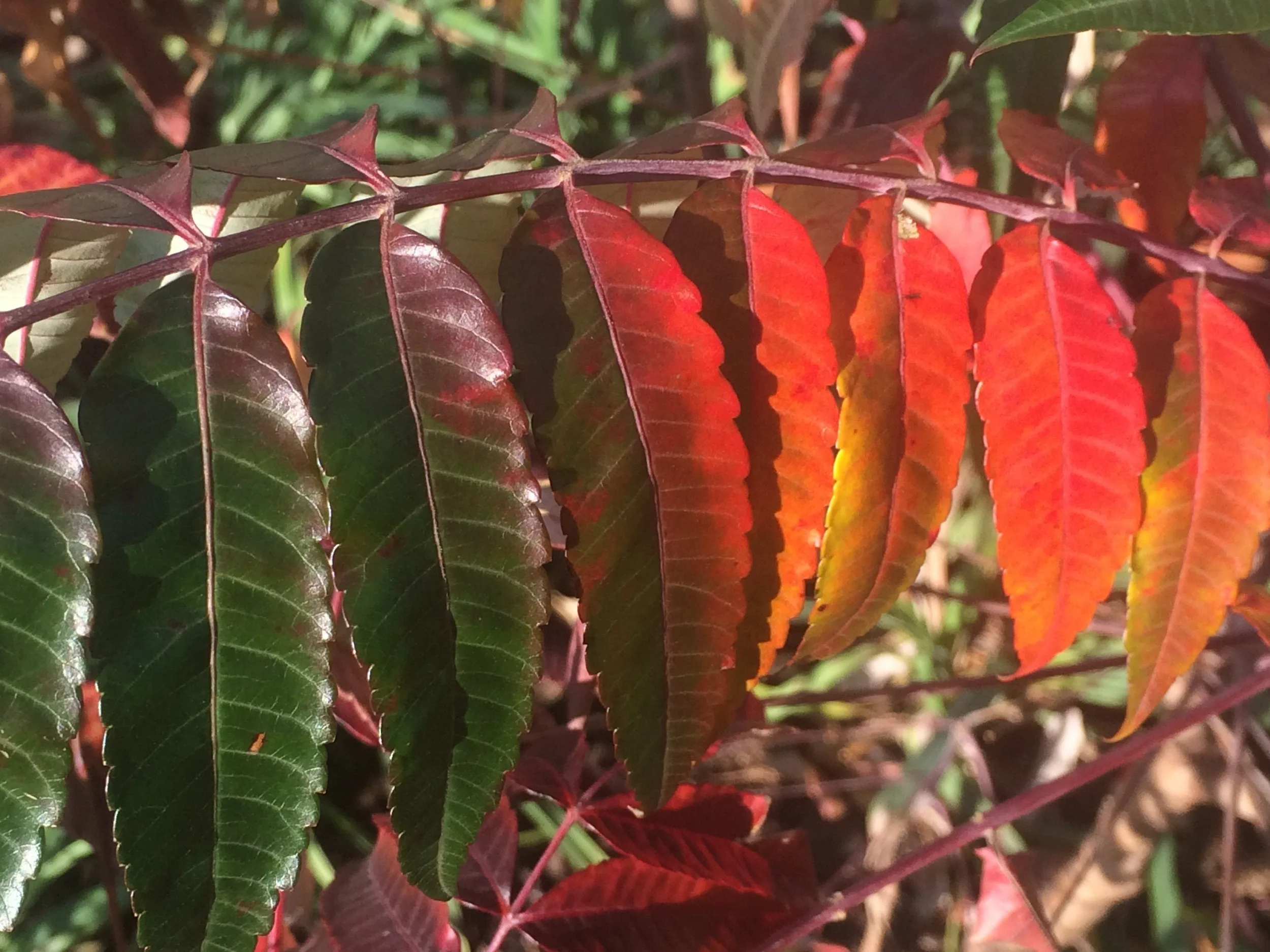
🌿 November Native Plant Spotlight: Staghorn Sumac (Rhus typhina)
If you’ve ever spotted a striking shrub or small tree with fuzzy branches and cone-shaped clusters of deep red berries along a Chicago roadway or hillside, you’ve likely encountered the Staghorn Sumac (Rhus typhina). This hardy native brings bold texture, brilliant fall color, and incredible ecological benefits to Midwestern landscapes—proving that beauty and resilience can go hand in hand.

October Native Plant of the Month: Asters (Symphyotrichum)
As autumn settles in and many summer blooms fade, asters step up to keep the garden alive with color. These hardy, star-shaped flowers bring cheerful purples, pinks, blues, and whites to the landscape just when you think the season is winding down. Even better — asters are native powerhouses that support pollinators, add texture, and return year after year with very little fuss.
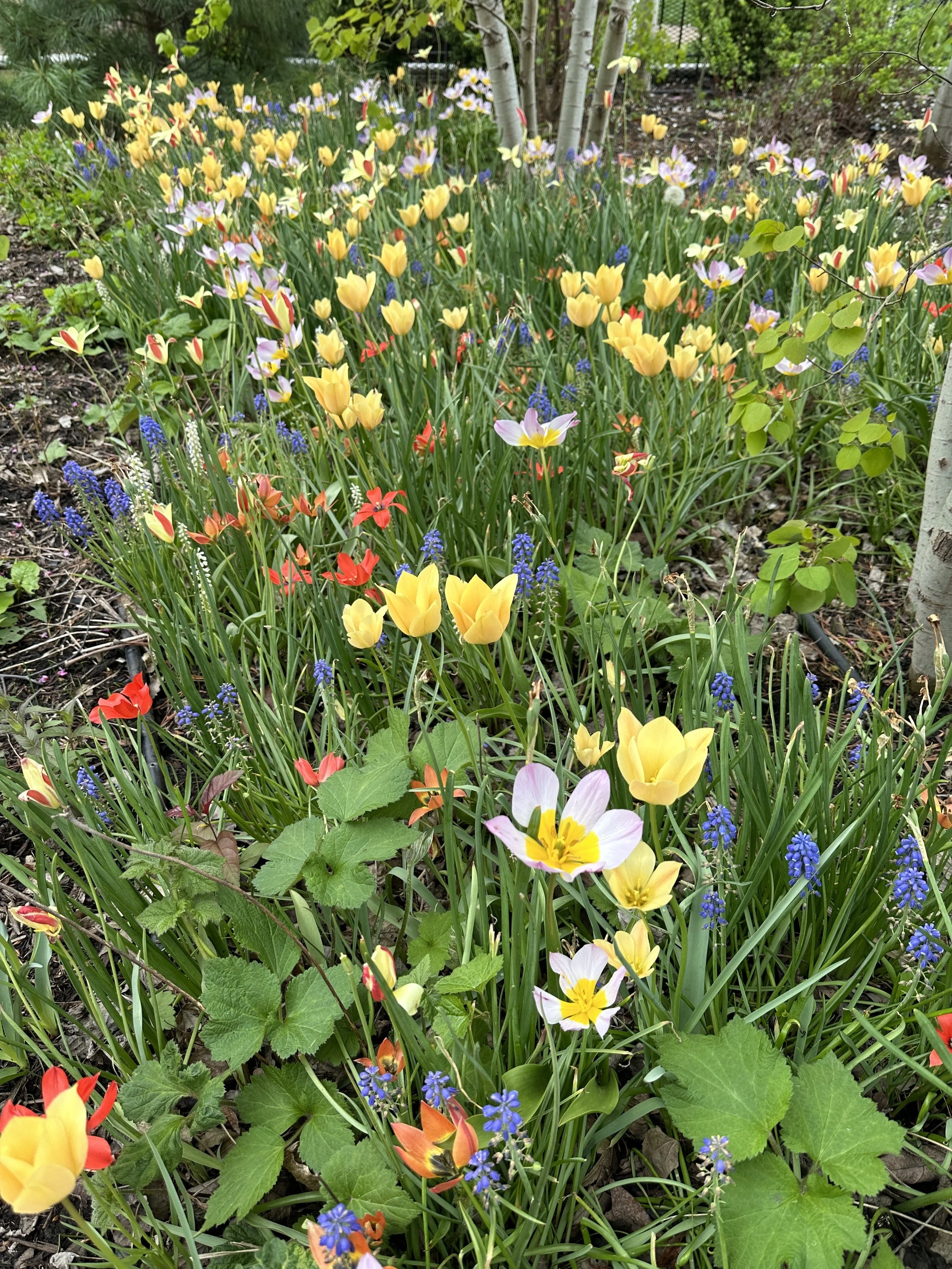
Plant Fall Bulbs For A Beautiful Spring Garden
Every spring, neighborhoods come alive with color — tulips, daffodils, hyacinths, and more bursting through the soil as the very first signs of life after winter. It feels like magic, but here’s the truth: that spring magic starts in the fall.

September Native Plant Of The Month: Sunflower (Helianthus)
Sunflowers aren’t just beautiful additions to gardens and landscapes, they are also powerhouses for sustainability, pollinator support, and even environmental clean-up. Whether you’re designing a backyard landscape, planting a pollinator garden, or adding seasonal color to your urban rooftop, here are five fascinating facts about sunflowers:

August 2025 - Native Plant Of The Month - Monarda (Bee Balm)
There’s no better way to celebrate the height of summer than by spotlighting one of our absolute favorite native blooms — Monarda, commonly known as bee balm. Bursting into full glory during August, this vibrant and pollinator-friendly perennial brings energy, color, and ecological richness to any garden or landscape.

A Year Of Fine Gardening
A Year in the Life of Rooftopia: Behind the Scenes with Our Fine Gardening Team
At Rooftopia, the changing seasons are more than a shift in weather—they mark a full-on symphony of planning, planting, pruning, and preparing. With over 120 fine gardening clients and new projects underway each month, we stay busy year-round making sure every container, rooftop, landscape and garden bed gets the care it deserves.

July 2025 - Illinois Native Plant Of The Month - Echinacea purpurea
As we welcome the summer season in Chicago, the Purple Coneflower stands out as a fantastic native plant to add to your landscape. Known for its striking, vibrant purple flowers and orange-tipped center, this perennial is not only beautiful but also incredibly beneficial for local ecosystems.

June 2025 - Illinois Native Plant of the Month - Serviceberry - Amelanchier
If you're looking to enhance your landscape or rooftop deck with beauty, biodiversity, and year-round interest, consider planting a Serviceberry—our latest Illinois Native Plant of the Month. Also known as Juneberry, Shadbush, or Saskatoon depending on the region and species, Serviceberry is a multi-season standout that benefits both people and pollinators. This adaptable small tree or large shrub typically grows 15 to 25 feet tall, making it well-suited for a range of garden sizes and urban environments.

May 2025 - Native Plant Of The Month - Zizia aurea
Zizia aurea is a valuable native perennial that supports biodiversity by providing early-season nectar for a wide range of pollinators, especially native bees and butterflies. Its small yellow flowers are a magnet for species like sweat bees and small carpenter bees, and it serves as a larval host plant for the Black Swallowtail butterfly, whose caterpillars feed on its foliage.

April 2025 Native Plant of the Month - Virginia Bluebells (Mertensia virginica)
Mertensia virginica—commonly known as Virginia bluebells—plays a vital role in supporting early-season pollinators at a time when food sources are scarce. Blooming in April, just as many native bees, bumblebees, and butterflies begin to emerge from dormancy, these flowers offer essential nectar and pollen when little else is in bloom. For pollinators, especially those with early flight periods, this dependable native is a lifeline.
If you're looking to bring a touch of spring magic to your garden, Virginia bluebells are an ideal choice. Their delicate bell-shaped flowers and lush green foliage brighten up woodland gardens, shaded borders, or any area with moist, well-drained soil. With their low-maintenance nature and graceful, ephemeral charm, they not only delight the senses but also contribute meaningfully to a healthy and biodiverse garden each spring.

March 2025 - Native Plant of the Month - Acer Rubrum, Red Maple
The Red Maple (Acer rubrum) is a must-have for homeowners looking to add beauty, shade, and sustainability to their landscape. Fast-growing and highly adaptable, it thrives in city settings, providing cooling shade, cleaner air, and natural stormwater control.
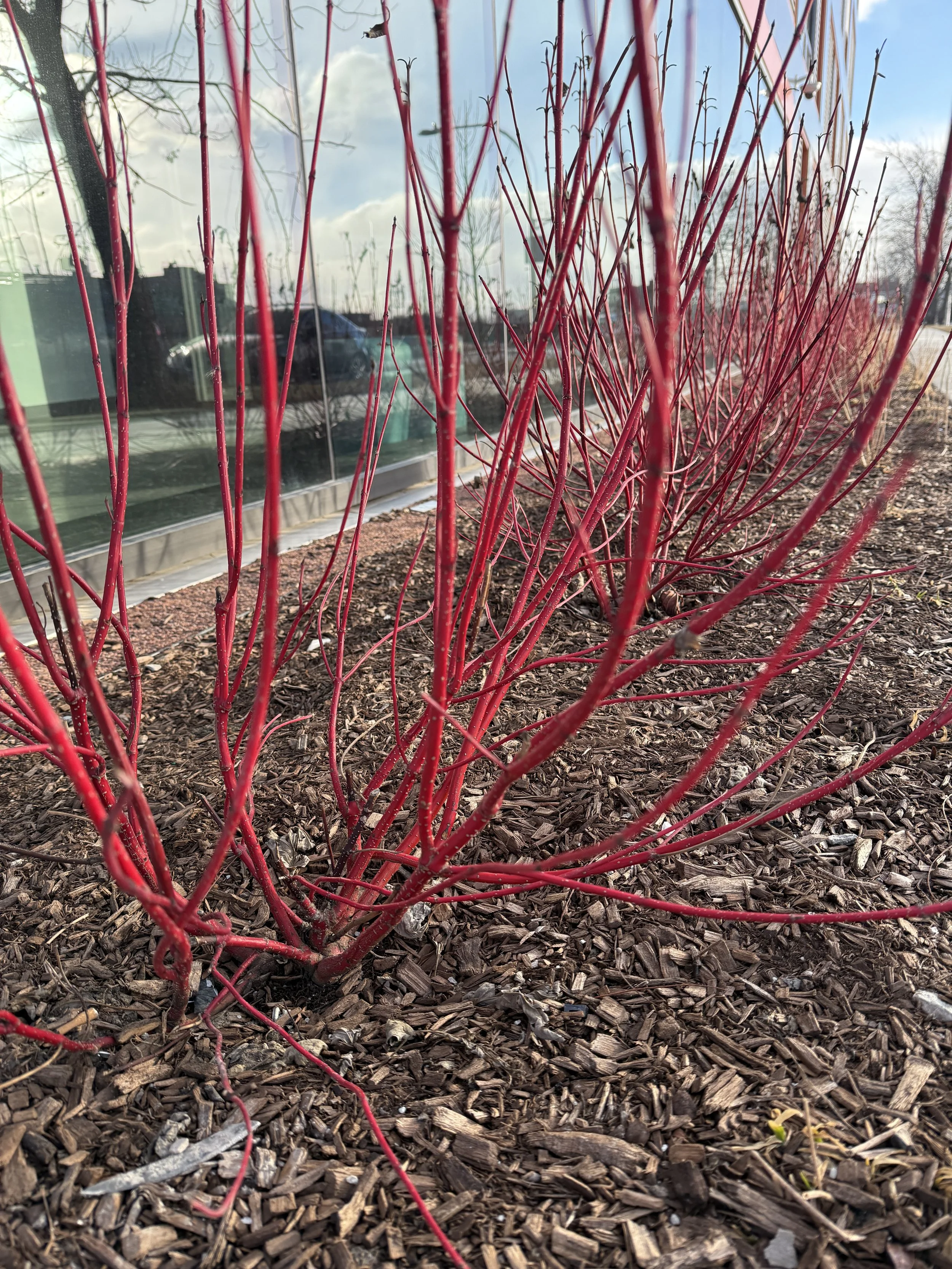
February Native Plant: Red Twig Dogwood
The Red Twig Dogwood (Cornus sericea), also known as Red Osier Dogwood, is a hardy and adaptable native shrub that provides year-round beauty and ecological benefits in Chicago and the Midwest.