March Native Plant Of The Month: Lindera benzoin (Spicebush)
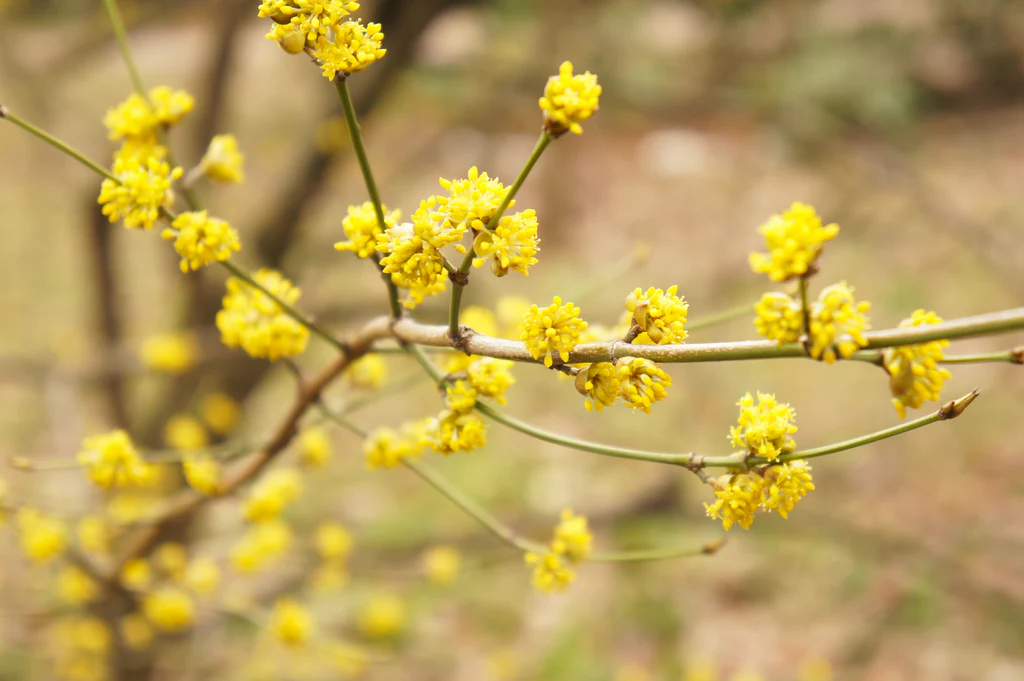
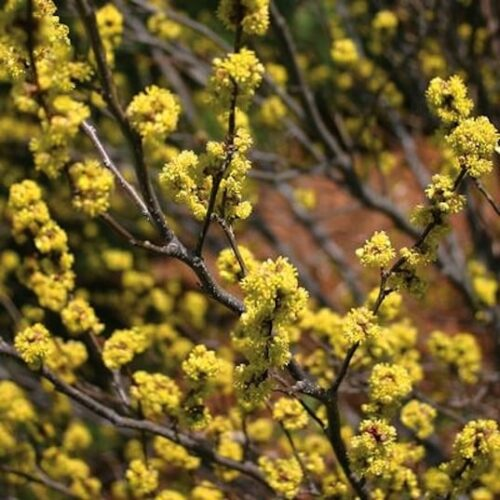
In early spring, before many plants have even begun to leaf out, a soft cloud of yellow flowers appears along woodland edges across the Midwest. This is Spicebush (Lindera benzoin), one of the most valuable native shrubs you can add to your woodland landscape. Lindera benzoin or Spicebush is a fantastic alternative to the non-native forsythia! Spicebush blooms very early in the season, often March through April in the Chicago region, when few other plants are flowering. Its small yellow flowers provide one of the first nectar and pollen sources for emerging native bees and early pollinators, making it especially valuable in urban landscapes where early-season food sources are limited.
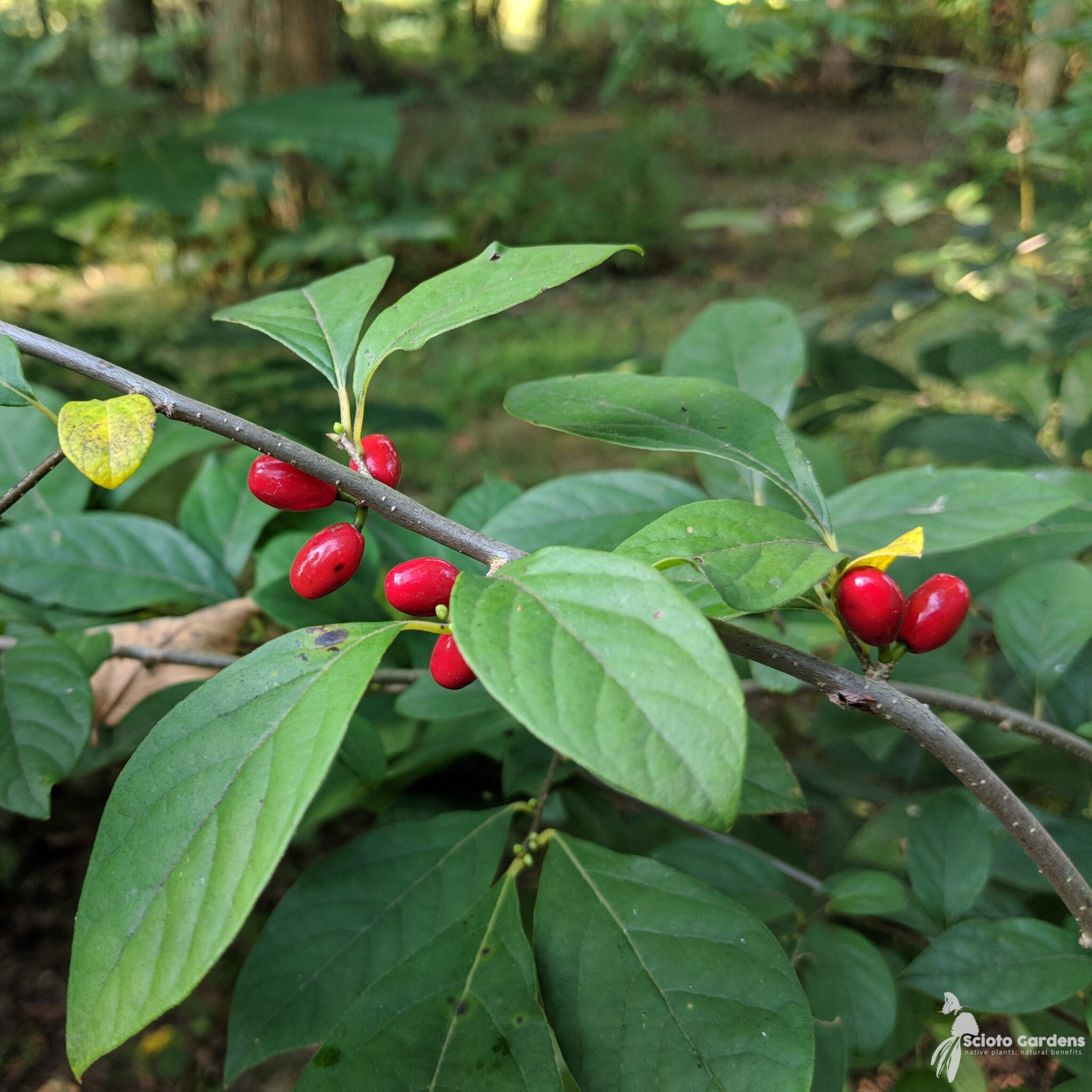
Native to the eastern United States, Spicebush thrives in woodland gardens, it prefers part to full shade landscapes, and naturalized plantings. Beyond its graceful form and fragrant foliage, this understory shrub plays an essential role in supporting wildlife, pollinators, and ecological diversity in both rural and urban environments. Spicebush produces bright red berries in late summer that are exceptionally high in fat and protein. These berries provide critical seasonal nutrition for migrating and resident birds, including species such as the wood thrush. The shrub’s dense branching structure also offers protective cover for birds and beneficial insects in urban landscapes.
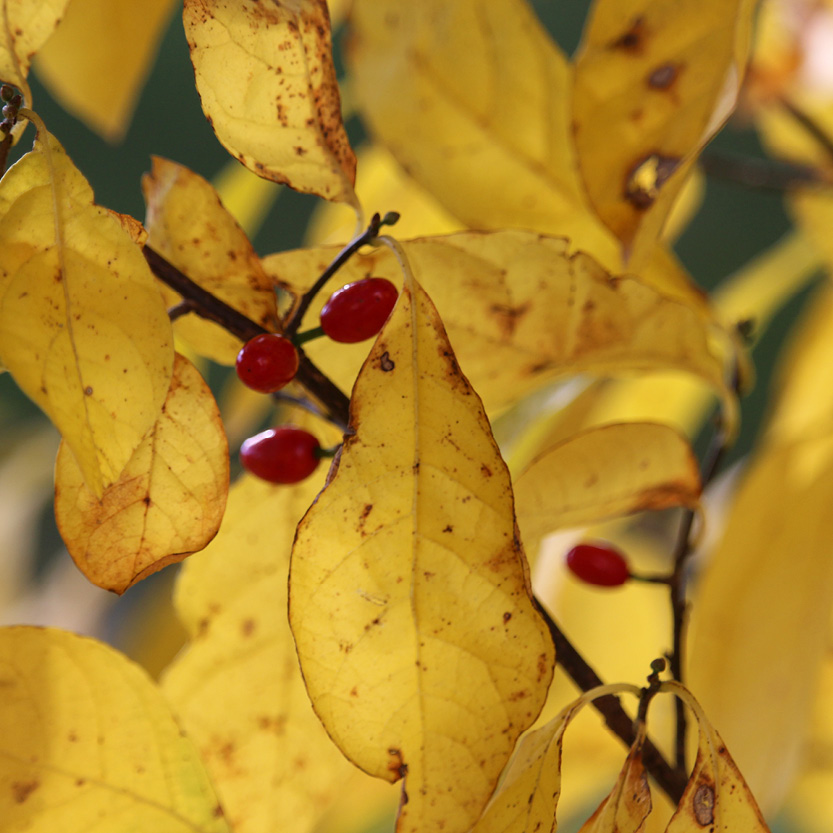
Ideal for Moist Shade Conditions in the Chicago Region
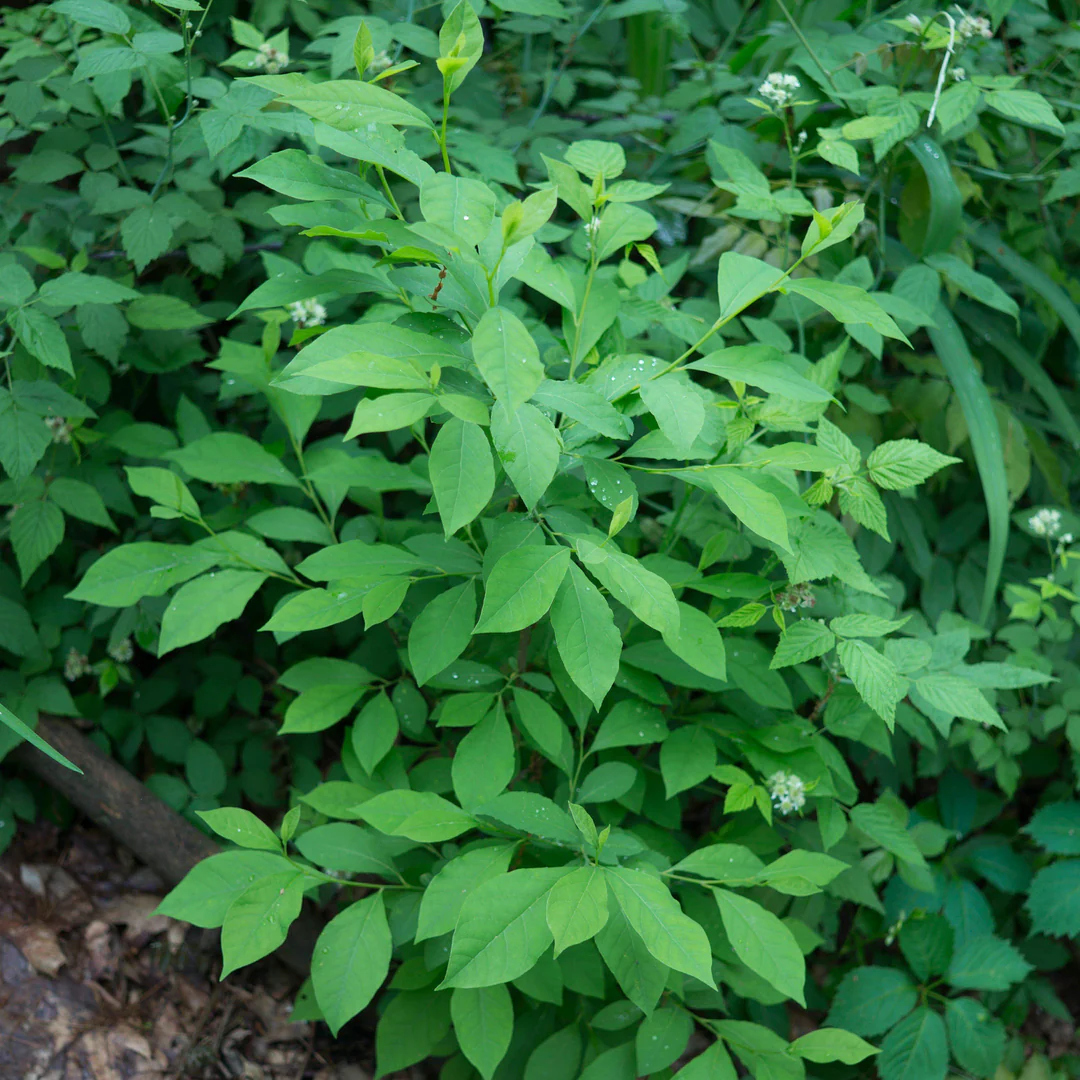
Spicebush is a versatile and resilient shrub that adapts well to many urban conditions but it is not recommended for use in rooftop containers unless your container is in full shade.
Hardiness: USDA Zones 4–9 (excellent for Chicago)
Light: Part shade to full shade, Can tolerate morning sun with afternoon shade
Soil: Moist, well-drained soils preferred, Thrives in woodland soils rich in organic matter, Tolerates clay and seasonal moisture
Water: Moderate moisture, Once established, it is relatively resilient
Size: 6 - 12 feet tall and 6 - 10 feet wide
Spicebush naturally grows along woodland edges, stream banks, and shaded understories, making it ideal for shaded gardens, native plant landscapes, and layered habitat plantings.
A Low-Maintenance Native Shrub
Another benefit of Spicebush is its low maintenance nature once established.
It is generally:
Resistant to deer browsing
Tolerant of shade
Adaptable to moist soils
Unlike many ornamental shrubs, Spicebush requires minimal pruning and thrives in naturalistic plantings.
A Host Plant for Native Butterflies
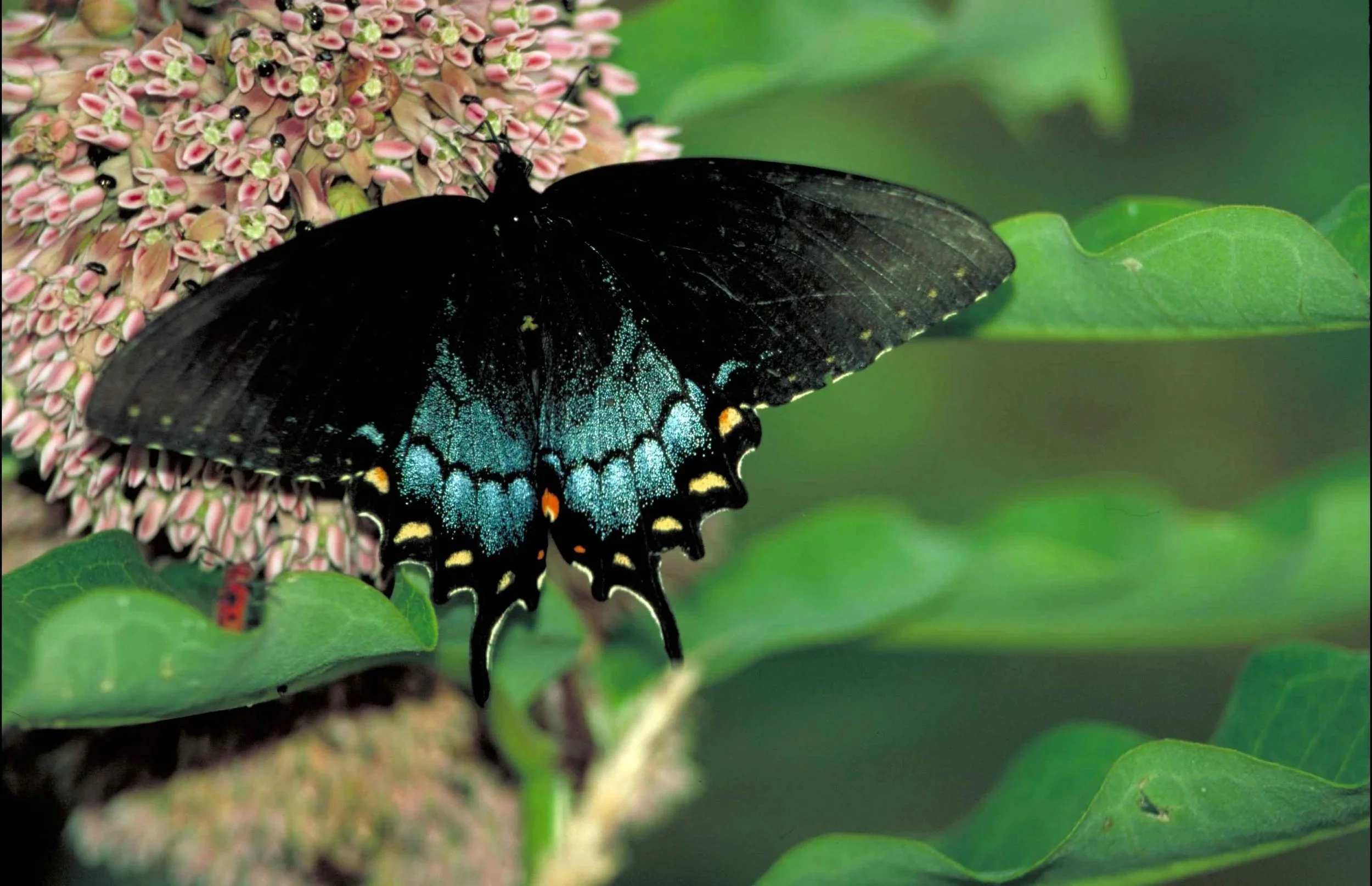
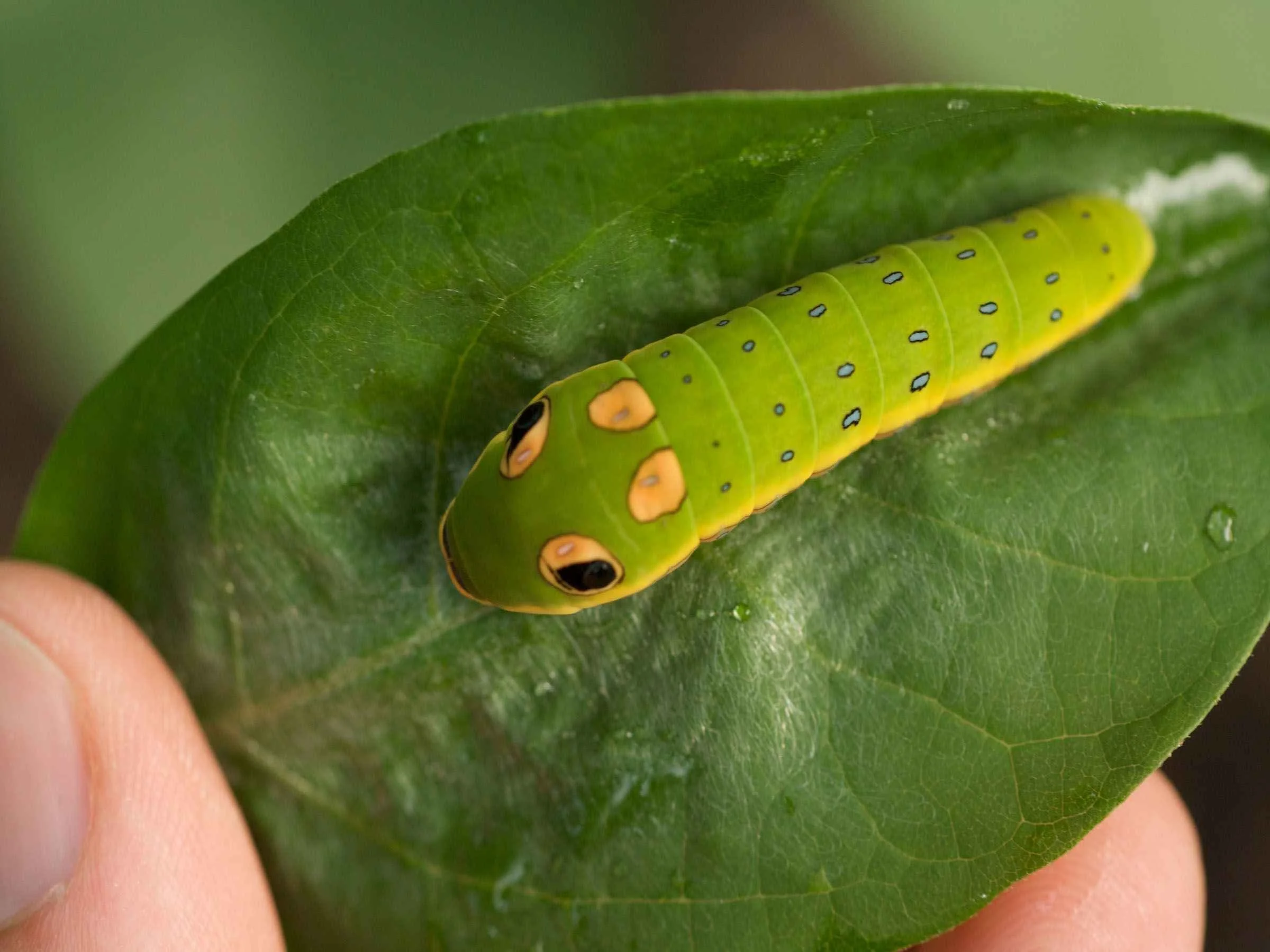
One of the most exciting ecological roles of Spicebush is that it serves as the primary larval host plant for the Spicebush Swallowtail butterfly (Papilio troilus).
Female butterflies lay their eggs on the leaves, and the emerging caterpillars feed on the foliage before transforming into one of the Midwest’s most striking butterflies.
Spicebush also supports the Promethea Silkmoth, another beautiful native species whose lifecycle depends on this plant.
By planting Spicebush, gardeners directly support these species and help restore the ecological relationships that sustain native pollinators. Without Lindera benzoin we will lose these beautiful butterflies.
Butterfly Photo credit: Barnes Dr Thomas G, U.S. Fish and Wildlife Service
Caterpillar Photo credit: Hagerty Ryan, USFWS
A Plant with a Rich Medicinal & Culinary History
Spicebush has long been valued for both its medicinal and culinary uses by Indigenous communities and early settlers. Traditionally, different parts of the plant were used as natural remedies: it was commonly prepared as a diaphoretic tea to help break fevers and relieve colds, while the berries and bark were used to support digestion and ease stomach aches, gas, and colic. Poultices made from the bark or oil from the berries were sometimes applied topically to bruises or rheumatic pain. In addition to its medicinal history, Spicebush is prized for its aromatic qualities. The leaves, twigs, and berries carry a warm, spicy fragrance and have been used in a variety of culinary ways. Leaves and young twigs can be steeped to make a fragrant herbal tea, the dried berries can be ground and used similarly to allspice, and the bark has historically been used as a cinnamon-like flavoring. Even brushing the leaves in the garden releases the plant’s distinctive spicy scent. While these traditional uses are well documented, medicinal applications today are generally approached with care and proper herbal guidance.
Designing with Lindera benzoin
Spicebush works beautifully in:
- Woodland gardens
- Native plant landscapes
- Rain gardens and bioswales
- Naturalized hedges
- Layered understory plantings
Pair Spicebush with other Midwest natives such as:
Serviceberry (Amelanchier)
Wild ginger (Asarum canadense)
Solomon’s seal (Polygonatum biflorum)
Virginia bluebells (Mertensia virginica)
Woodland phlox (Phlox divaricata)
Together, these plants create a resilient and biodiverse garden ecosystem.
Bringing Native Habitat Back to Chicagoland
Native plants like Spicebush help reconnect urban landscapes to the ecosystems that once thrived here. Even a single shrub can support butterflies, birds, and pollinators while adding beauty and seasonal interest to the garden. By planting native species, we create outdoor spaces that are not only beautiful, but also alive with ecological purpose. If you’re interested in incorporating native plants into your backyard, rooftop, or woodland garden, the Rooftopia team would love to help bring your vision to life.