
February 2026 Native Plant Of The Month: Carex Pensylvanica
Carex pensylvanica: The Quiet Powerhouse of Sustainable Landscapes
If you’re looking for a plant that works hard without demanding much in return, Carex pensylvanica, commonly known as Pennsylvania sedge, Pen. Sedge or locally as Common Oak Sedge, deserves a starring role in your landscape. Native to the eastern and Midwestern United States, including Illinois, this unassuming sedge is one of the most versatile, resilient, and ecologically valuable groundcovers available to homeowners and designers alike.
A Native Lawn Alternative That Works!
Pennsylvania Sedge is often recommended as a low-maintenance “lawn replacement,” but it’s more accurate to say it redefines what a lawn can be. Carex pensylvanica forms soft, fine-textured mats and spreads gently by rhizomes, creating a low, meadow-like carpet that feels both intentional and natural. Unlike traditional turf grass, it thrives in part shade to full shade, exactly where lawns tend to struggle the most, and tolerates a range of soil types once established. It can handle light to moderate foot traffic, including occasional dog use, as long as plants are well established before regular wear.
While no garden is truly maintenance-free, Pennsylvania Sedge comes impressively close. This hardy perennial is a semi-evergreen native sedge that provides year-round ground cover and is an excellent choice for anyone looking to reduce or replace conventional, non-native turf. Most homeowners mow it just once a year, or not at all, typically in early spring to refresh the foliage. It requires no fertilizer, minimal watering once established, and very little ongoing care. With its short, grass-like form, slender leaves, and subtle flowers, Pennsylvania sedge grows best in shade to part sun and prefers dry to well-drained soils, though it can perform well in sunnier areas with adequate moisture. When mowed, it can be maintained as low as 2 inches.
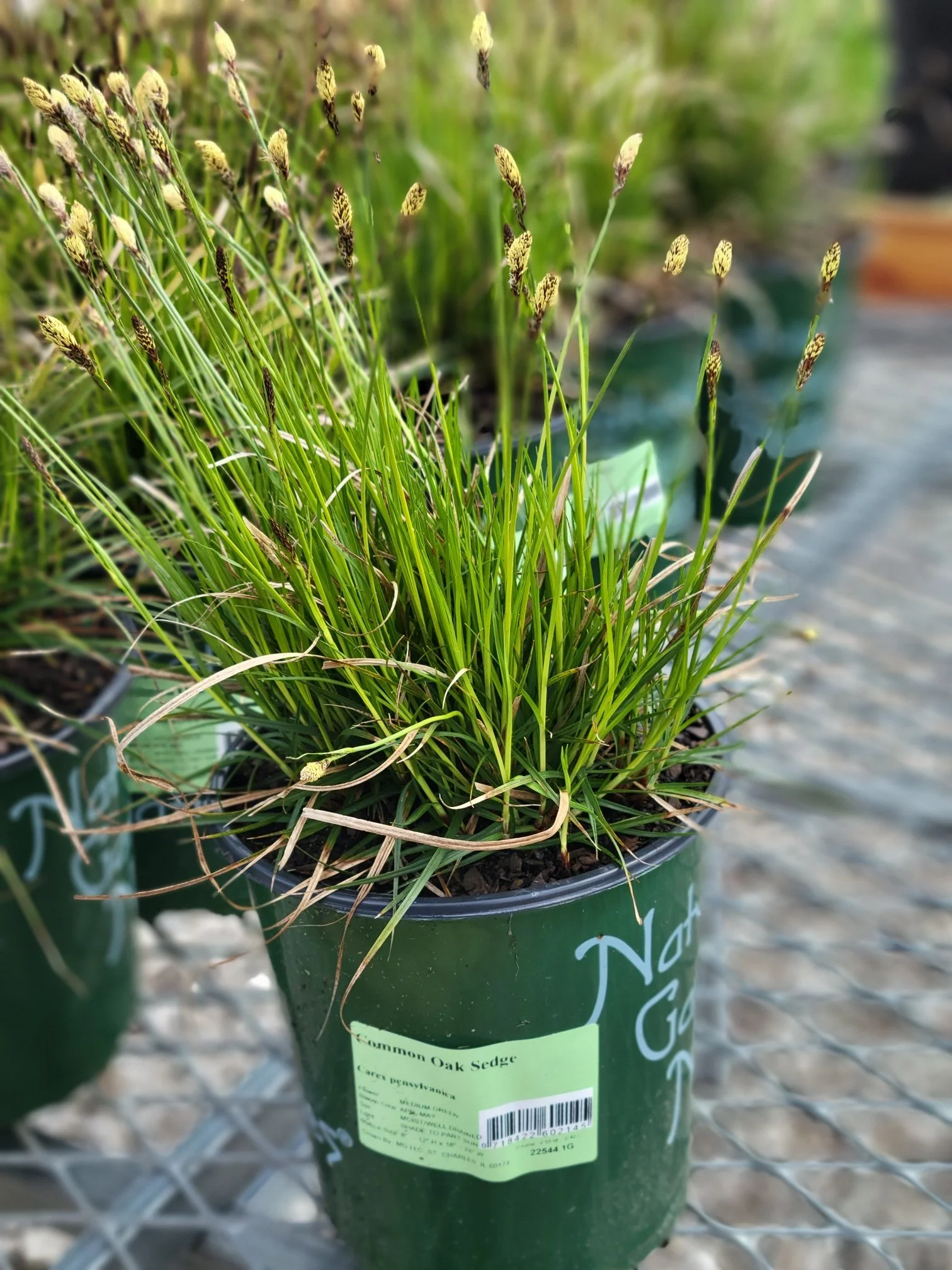
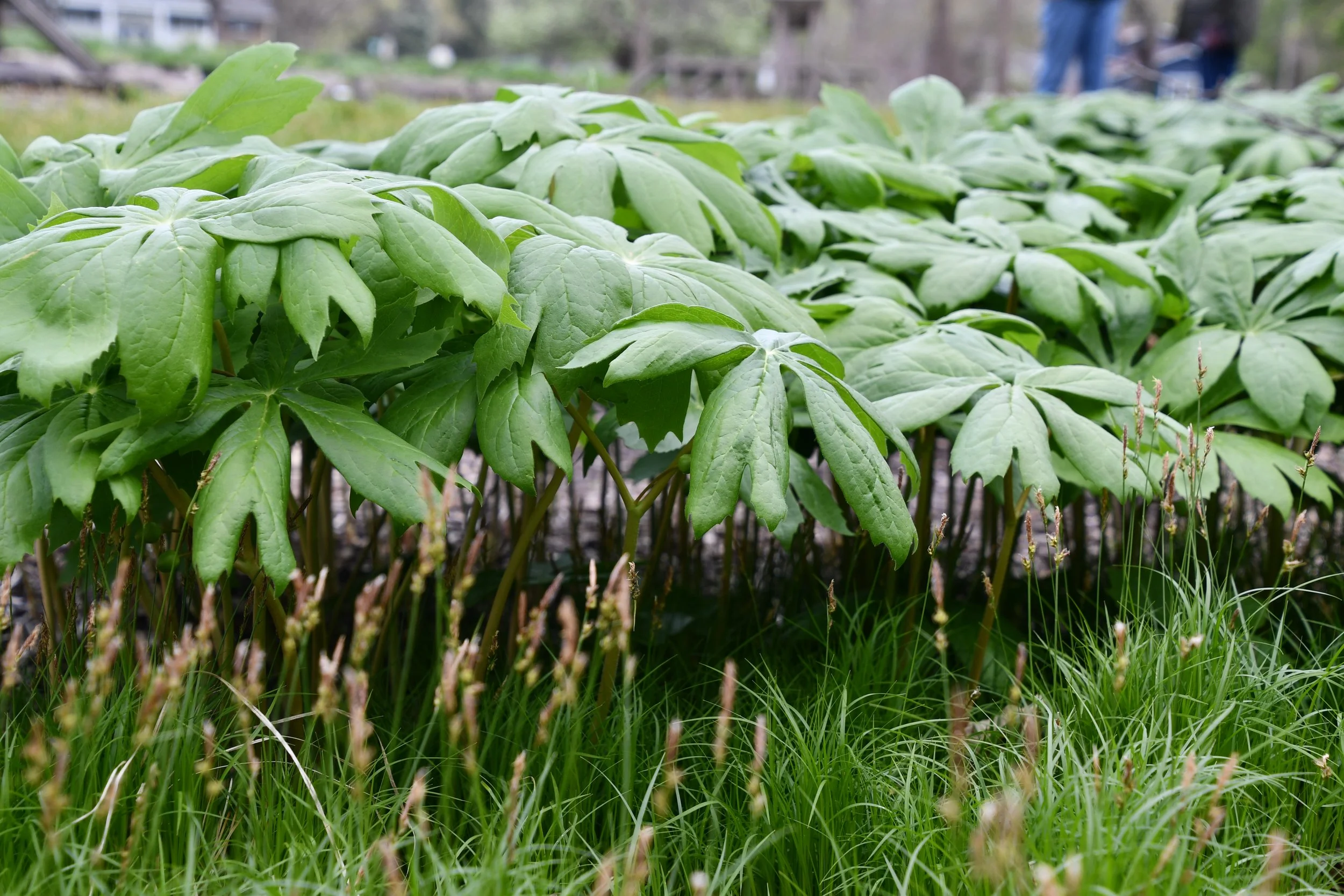
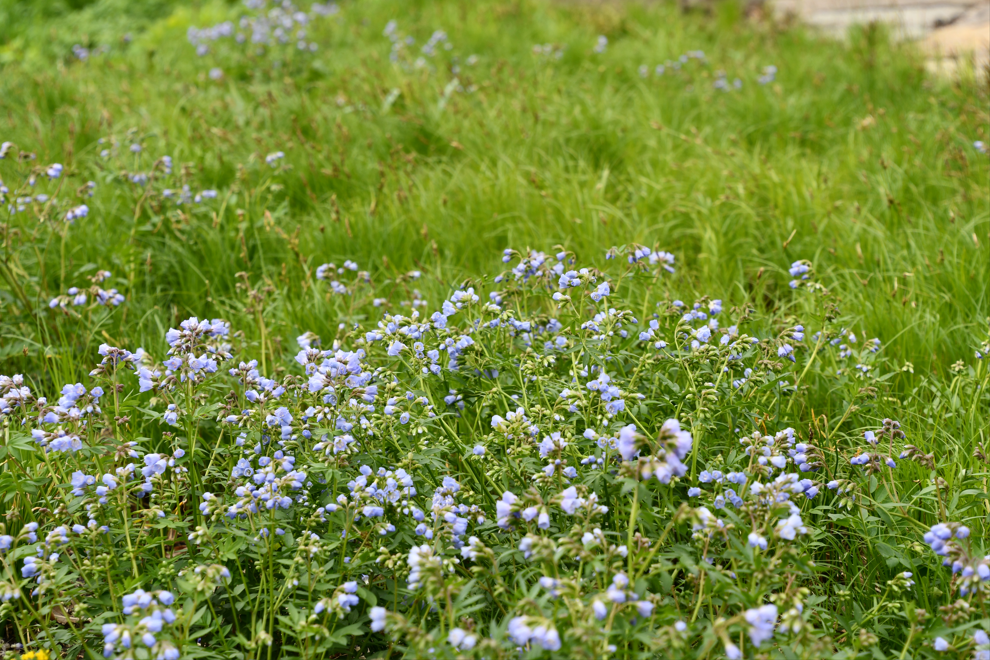
Images courtesy of Midwest Groundcovers
Low Maintenance, High Resilience
One of the standout qualities of Carex pensylvanica is how well it adapts to real-world conditions. After establishment, it’s remarkably drought tolerant, especially compared to turf grass. It doesn’t require supplemental irrigation in most years, and it holds its own under light foot traffic, making it ideal for pathways, under trees, and between stepping stones.
Because it’s native, it’s also well adapted to local pests and diseases, meaning fewer chemical interventions and a healthier landscape overall. In short, it’s a plant that wants to be here—and it shows.
Subtle Beauty Through the Seasons
While Pennsylvania sedge isn’t flashy in the traditional sense, its beauty lies in texture and movement. This cool season sedge is upright with bright-to-medium green blades emerge early in spring, giving landscapes a fresh look long before many other plants wake up. In late spring, it produces delicate seed heads that add a soft, airy quality without overwhelming your landscape design.
Come winter, the foliage fades to a tawny gold, providing subtle winter interest and protecting the soil beneath from erosion and compaction. Left standing, it adds quiet structure to dormant gardens and looks especially lovely dusted with snow.
A Habitat Hero for Beneficial Critters
Beyond its aesthetic and practical benefits, Carex pensylvanica plays an important ecological role. Native sedges support a wide range of insects, including specialist caterpillars that rely on Carex species as host plants. These insects, in turn, feed birds especially during the critical nesting season. FUN FACT: One nest of Chickadees require an estimated 6,000 to 9,000 caterpillars in order for the chicks to reach independence, over a 16-18 day period. Chickadee parents forage constantly to provide approximately 350–570 caterpillars per day to the nest of chicks, typically feeding the young baby birds one caterpillar every three minutes!
The dense growth habit also provides shelter for ground-dwelling insects, spiders, and small wildlife, contributing to a healthier, more balanced ecosystem right outside your door. Compared to a conventional lawn, a sedge-based groundcover supports dramatically more life. Carex pensylvanica supports over 36 species of caterpillar that our local birds and creatures rely on as a primary food source.
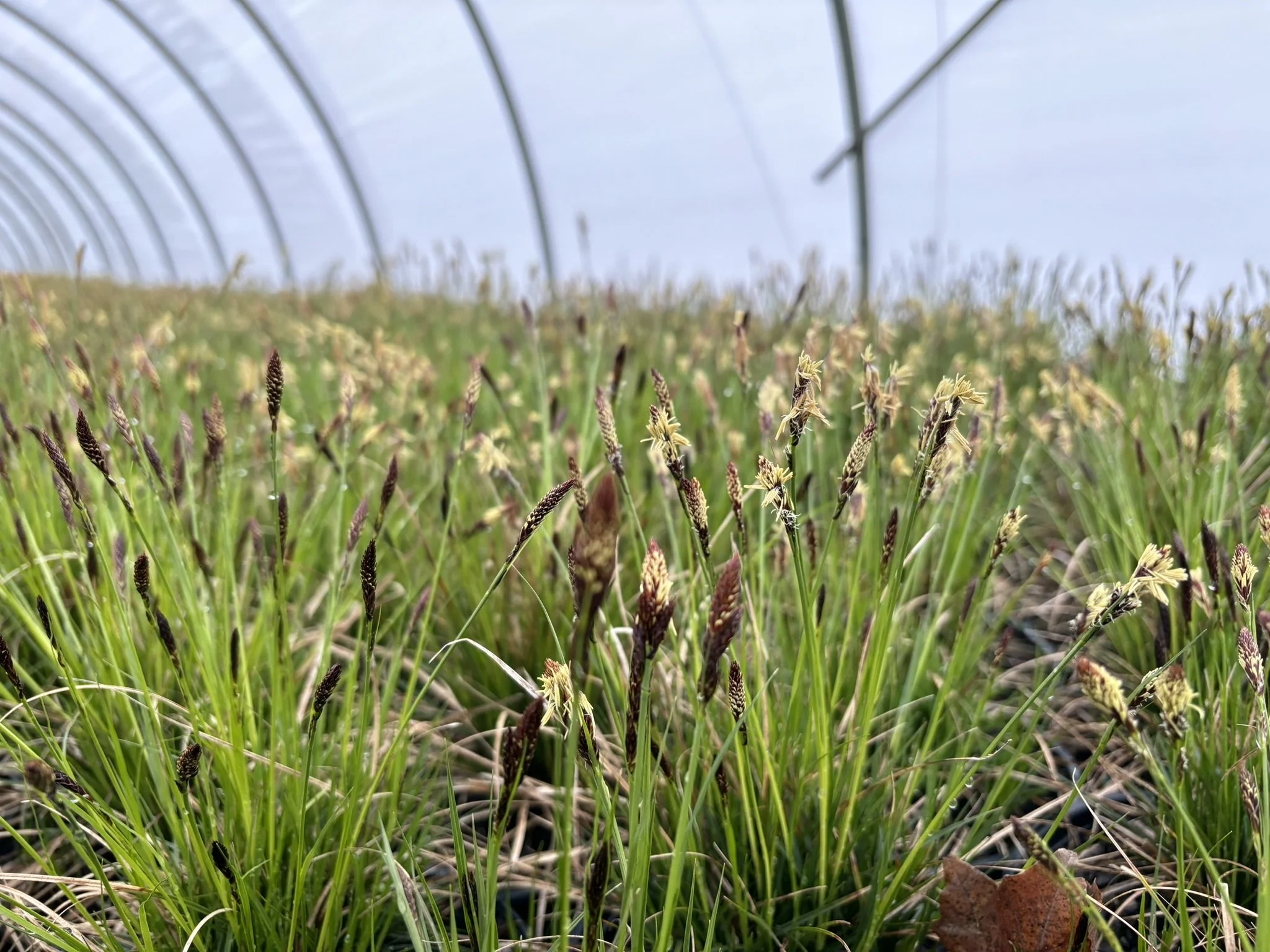
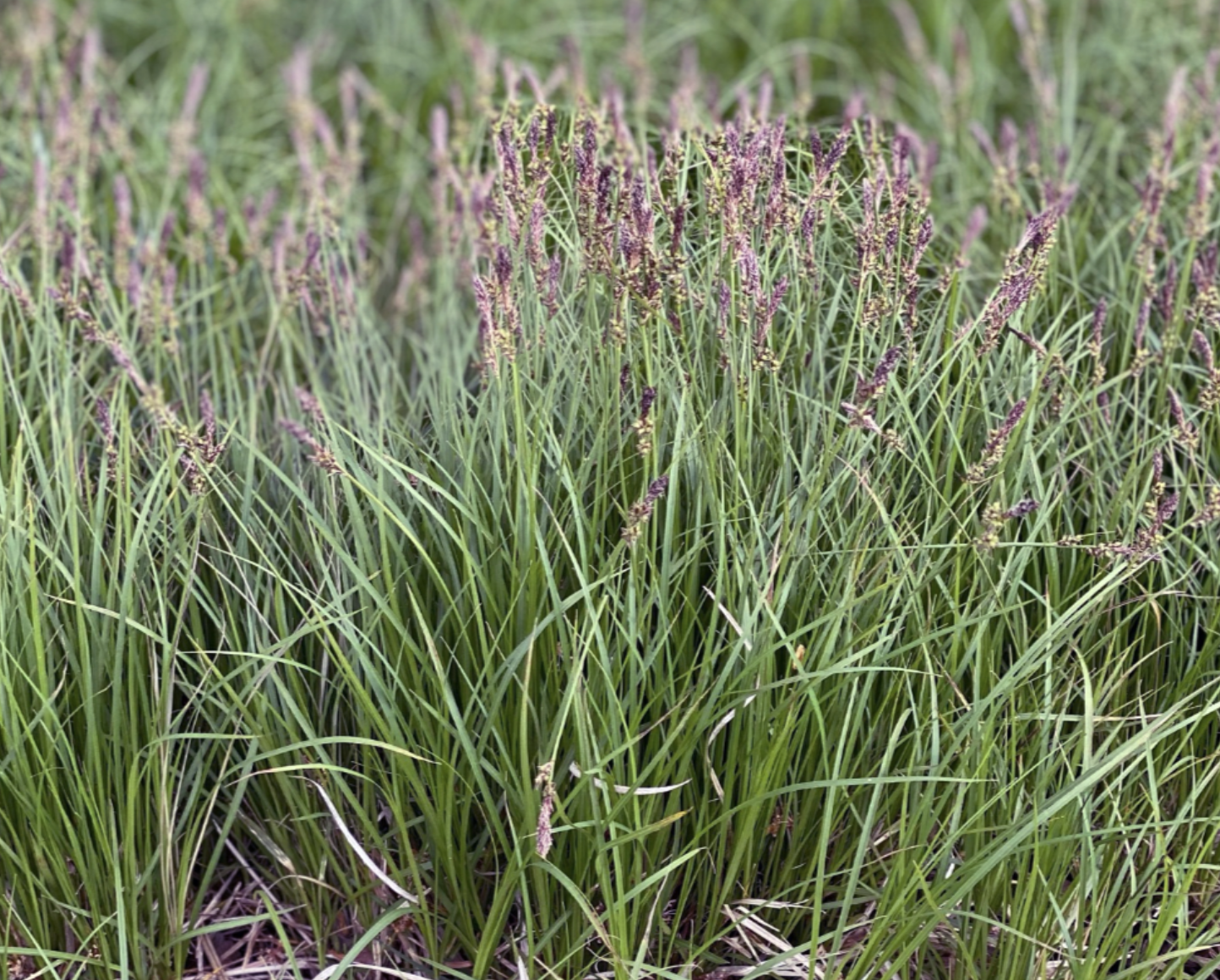
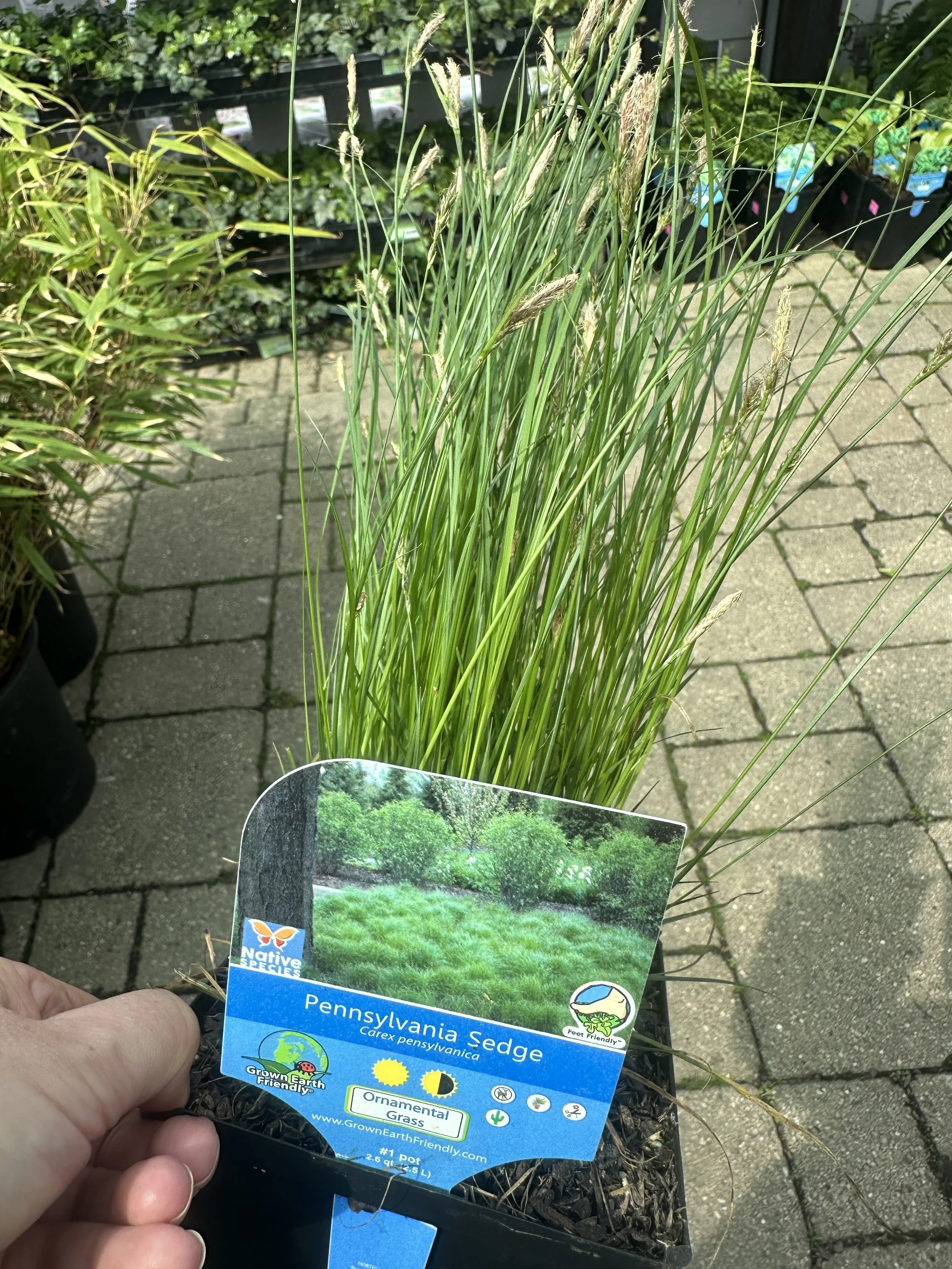
Images courtesy of Midwest Groundcovers
Where in your landscape should you plant Carex pensylvanica?
Pennsylvania sedge is especially well suited for:
Fully Shaded or dry woodland gardens
Areas under mature trees where turf grass (or all other plants) fail
Designing landscapes with Naturalized lawns and meadow edges using carex pensylvanica
Designing landscapes with Pollinator-friendly and low-input goals
Urban yards and small space gardens seeking beauty with less maintenance
Pennsylvania sedge pairs beautifully with native spring ephemerals like Virginia bluebells, and woodland perennials like Geranium maculatum (Wild geranium) and Eurybia divaricata (White wood aster) creating layered landscapes that feel both intentional and provide semi-evergreen cover all year along with a mix of flowers in spring, summer and fall. When designing a new native landscape be sure to understand your site conditions and soil before selecting new plants.
A Smarter Way Forward
In a time when water use, chemical inputs, and maintenance costs are under increasing scrutiny, Carex pensylvanica offers a compelling alternative to conventional landscaping norms. It’s proof that sustainability doesn’t have to mean sacrificing beauty—in fact, it often enhances it.
Quiet, tough, and full of life, Pennsylvania sedge is a reminder that sometimes the most impactful plants are the ones that simply do what they’re meant to do, exactly where they belong.
If you’re inspired to rethink your lawn or create a more resilient, nature-forward outdoor space, Rooftopia is here to help. From converting traditional turf to native ground covers to designing thoughtful landscapes and rooftop gardens, our team guides you through every step with care, creativity, and transparency. Reach out to start a conversation, we’d love to help you create an outdoor space that reflects your goals, supports native plants and pollinators, and provides a beautiful place to relax, gather, and truly make your own.