
May 2026 - Native Plant of the Month
Geum triflorum aka Prairie Smoke: A Whimsical Low Maintenance Perennial for Dry locations
There are few native perennials more enchanting in spring than Geum triflorum, commonly known as Prairie Smoke. This low-growing native wildflower brings a soft, airy texture to the landscape and is especially beloved for its unusual pink seed heads that resemble wisps of smoke floating above the garden.
Native to prairies and open grasslands across much of North America, Prairie Smoke is both delicate in appearance and incredibly tough in challenging growing conditions. It’s an excellent choice for gardeners seeking resilient native plants that are low growing and low maintenance that support pollinators while adding beauty and movement to the landscape.
What Does Prairie Smoke Look Like?
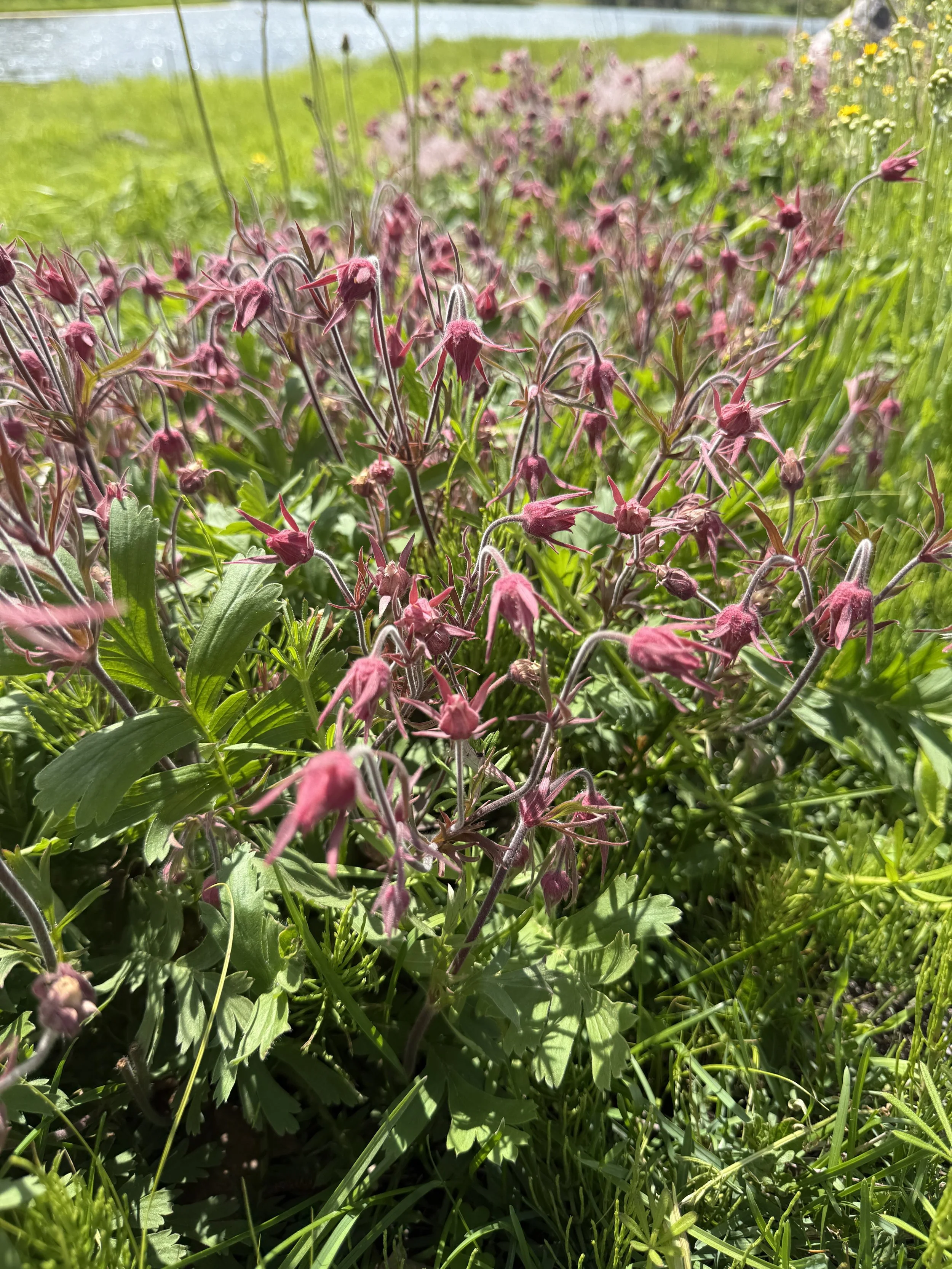
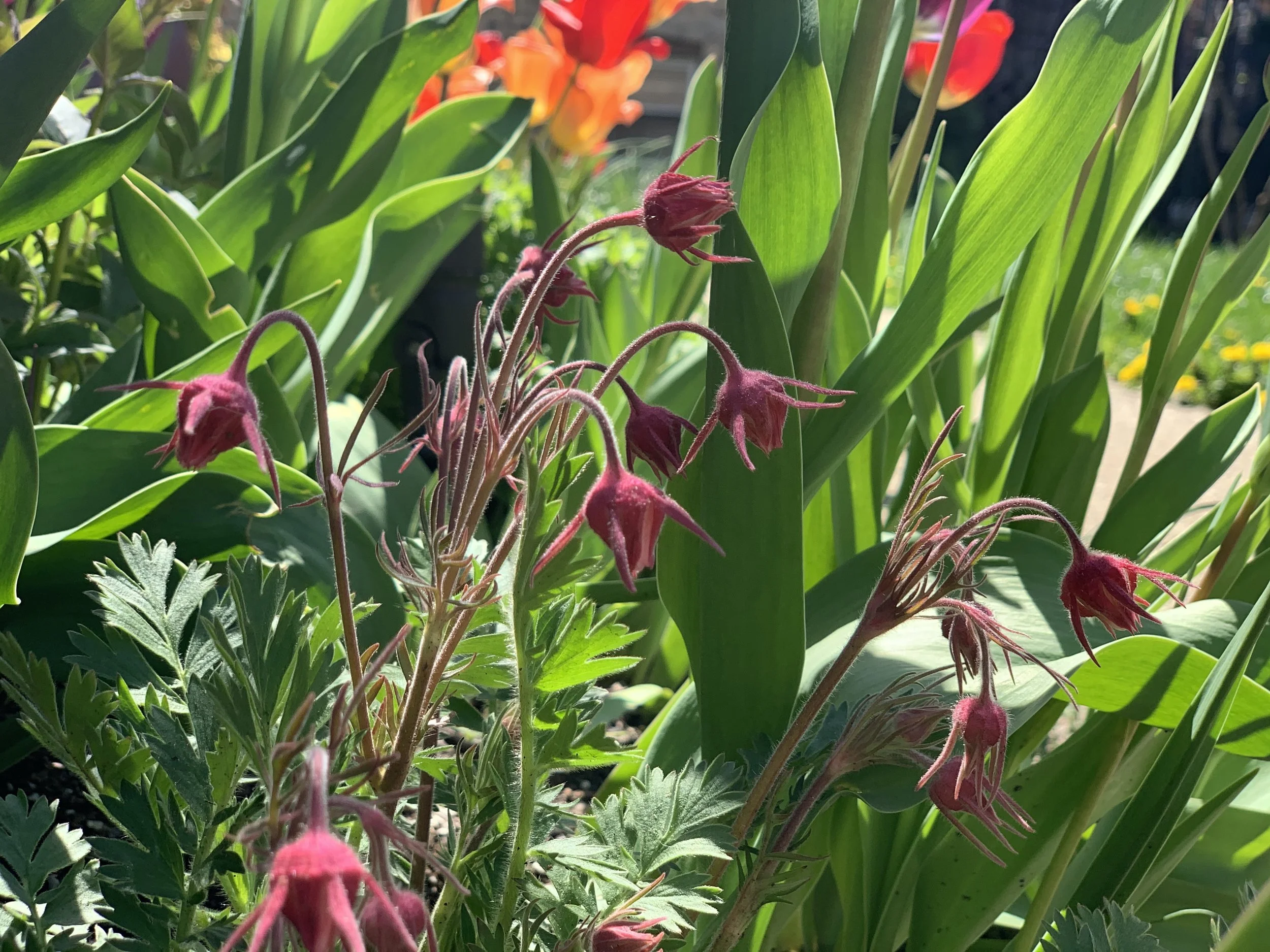
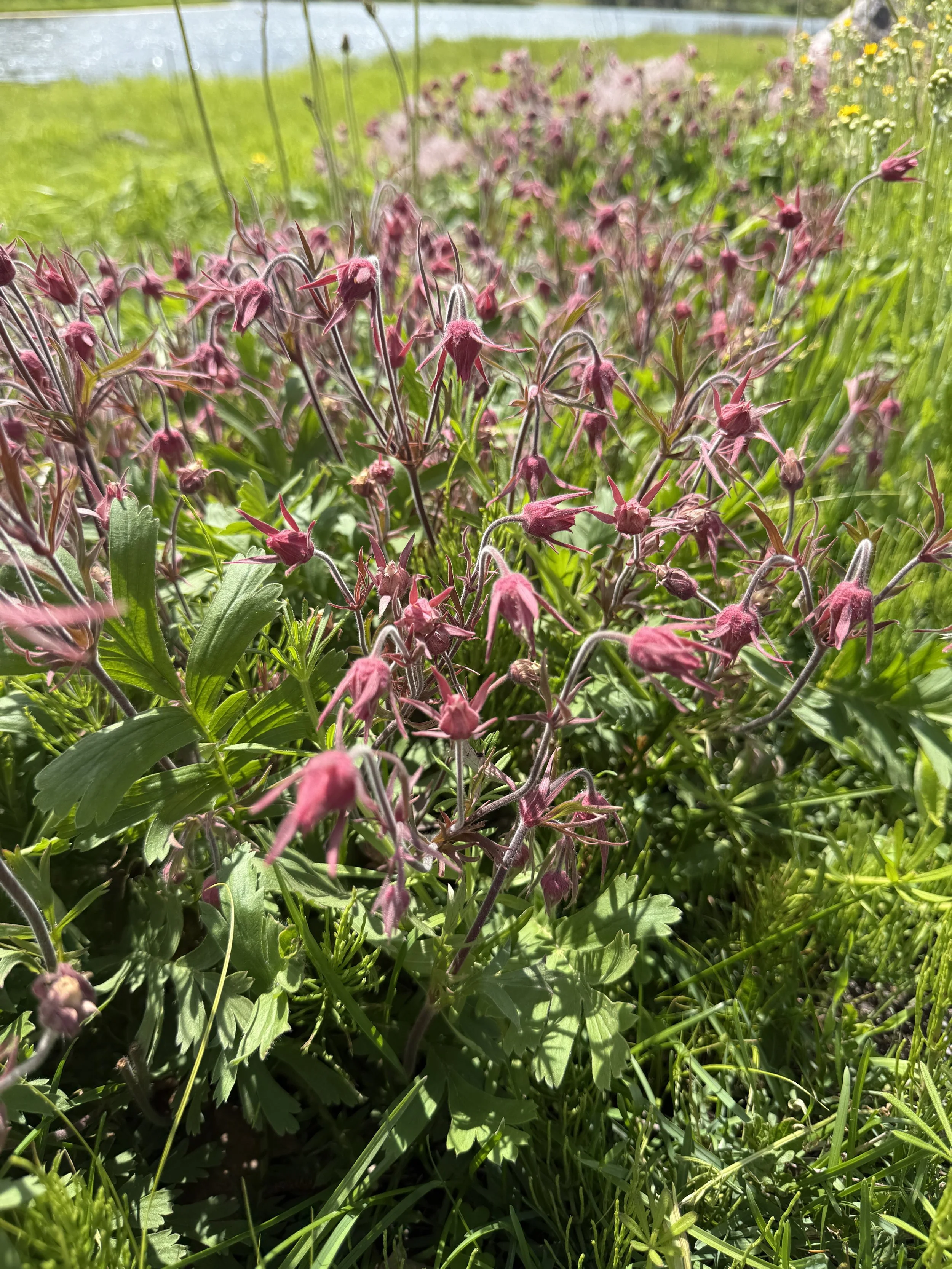
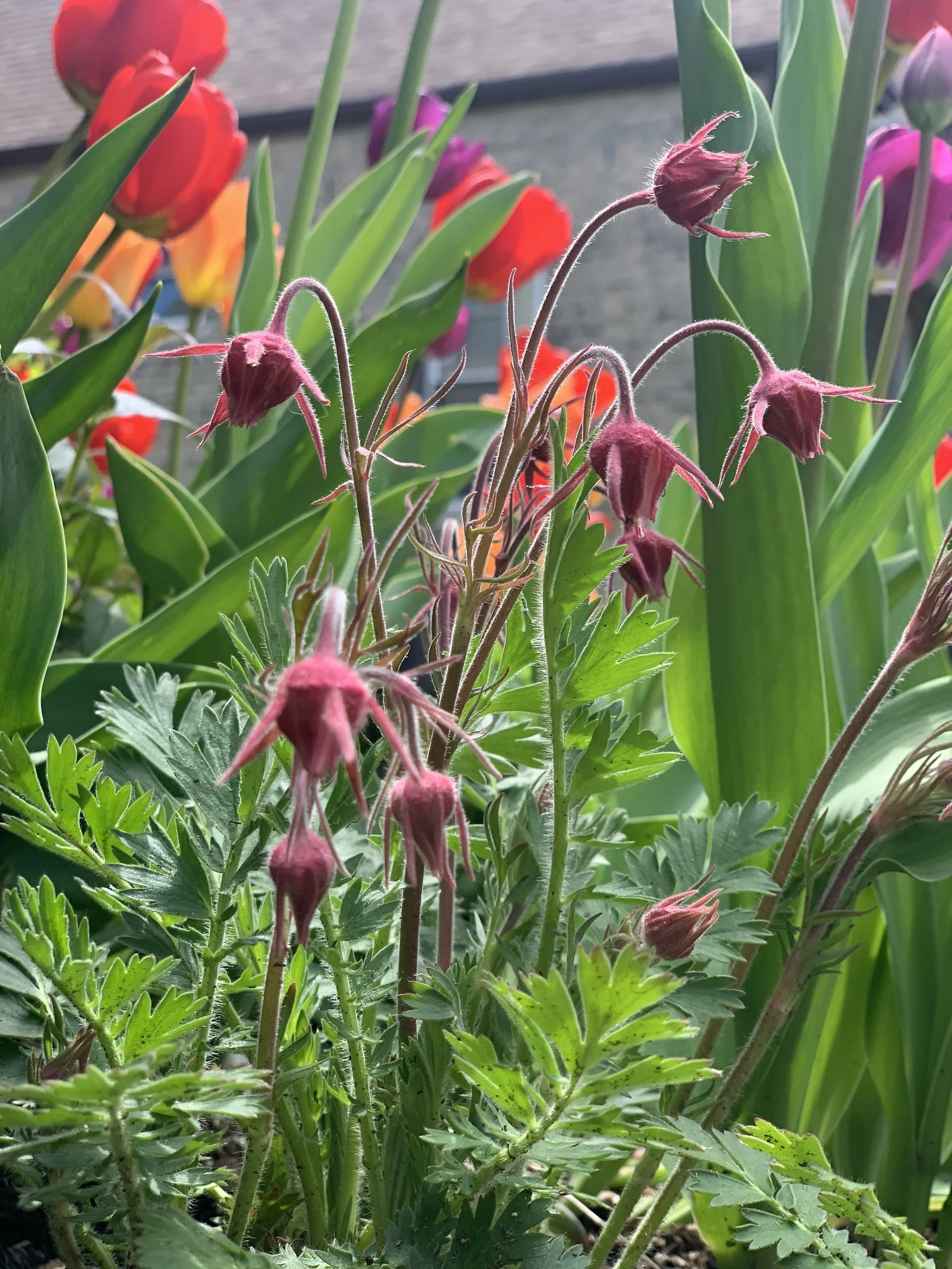
Prairie Smoke emerges in early spring with fern-like, silvery-green foliage that forms tidy clumps close to the ground. In mid to late spring, nodding pink to reddish flowers appear on slender stems. The blooms themselves are understated, but after flowering, the seed heads transform into feathery, pink plumes that create the plant’s signature “smoky” appearance.
These soft seed heads catch the light beautifully and sway gently in the wind, adding movement and texture to naturalistic gardens, prairie plantings, and rooftop landscapes.
Why We Love Geum triflorum
Prairie Smoke offers many ecological and landscape benefits:
Extremely drought tolerant once established
Thrives in poor, rocky, sandy, or well-draining soils
Excellent for erosion control on slopes or difficult sites
Low maintenance and long-lived
Early-season nectar source for native pollinators
Compact habit makes it ideal for smaller urban gardens, parkways and rooftops
Unlike many traditional ornamental plants, Prairie Smoke evolved in harsh prairie environments and does not require rich soil or excessive watering to thrive.
Wildlife & Pollinator Benefits
As one of the earlier blooming native prairie plants, Prairie Smoke provides valuable nectar and pollen for emerging native bees and other pollinating insects in spring.
Its seeds may also provide minor food value for birds and small wildlife, while the dense foliage can contribute habitat and cover within diverse native plantings.
When incorporated into layered native gardens alongside grasses and flowering perennials, Prairie Smoke helps create healthier urban ecosystems that support biodiversity and pollinator populations.
Hardiness Zone & Growing Conditions
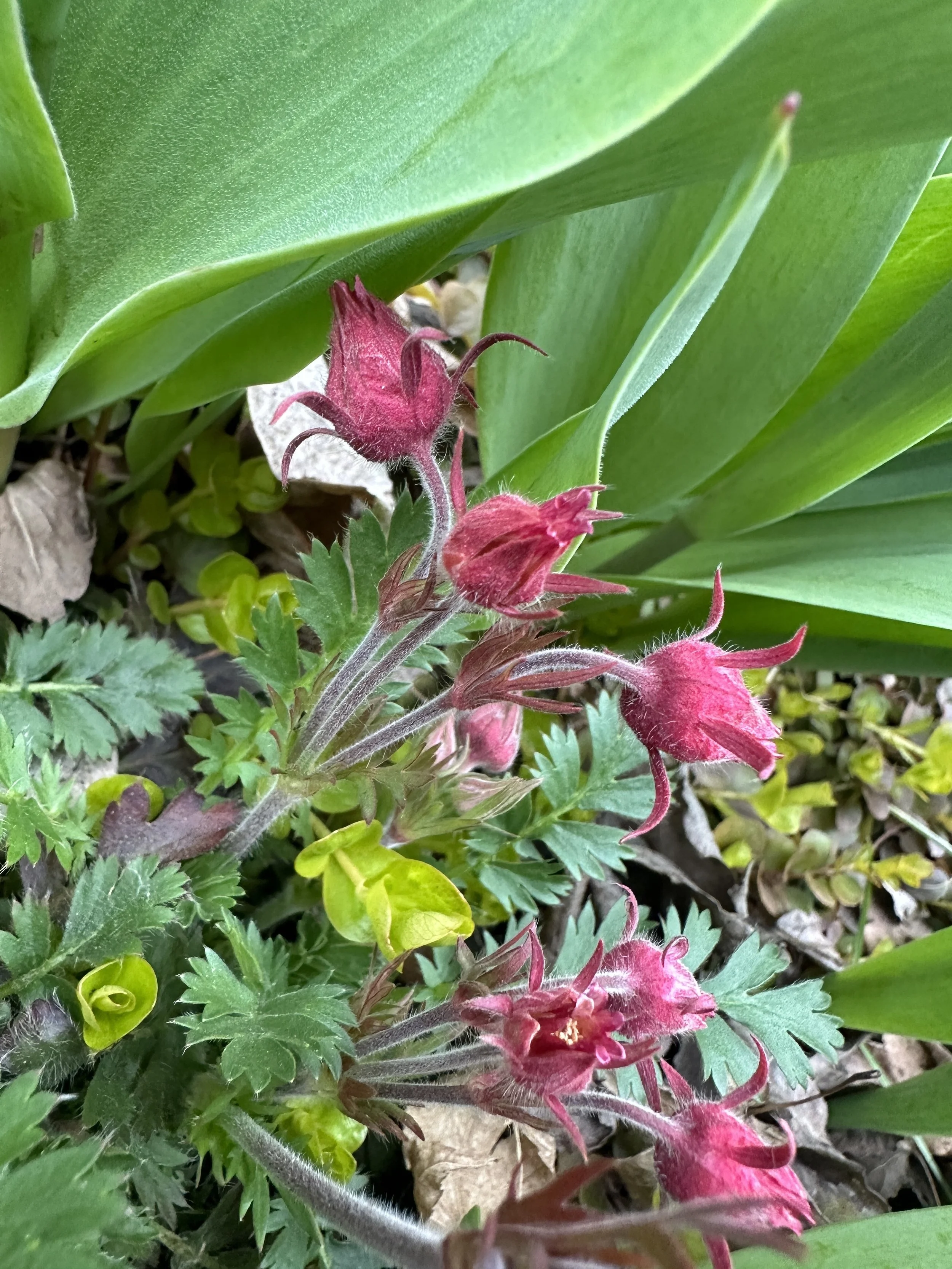
Botanical Name: Geum triflorum
Common Name: Prairie Smoke
Hardiness Zones: 3–7
Light: Full sun to part sun
Height: Typically 8–18 inches
Bloom Time: April through June
Prairie Smoke prefers:
Dry to medium moisture soils
Excellent drainage
Gravelly, sandy, or rocky conditions
Lean, nutrient-poor soils
It does not perform well in heavy clay or overly wet conditions and is especially well suited for:
Prairie gardens
Naturalized landscapes
Dry slopes
Rock gardens
Green roofs and rooftop planters
Pollinator gardens
Meadow-style plantings
Native Range in Illinois & North America
Geum triflorum is native to large portions of the northern and central United States and Canada, including parts of Illinois. Historically, it thrived in open prairies, limestone glades, savannas, and dry meadows throughout the Midwest.
As native prairie ecosystems have declined due to development and traditional turf grass landscapes, plants like Prairie Smoke play an important role in restoring ecological diversity and reconnecting urban spaces to regional habitats.
Creating Beautiful Native Landscapes with Rooftopia
At Rooftopia, we believe landscapes can be both beautiful and environmentally meaningful. Native gardens reduce water use, support pollinators and birds, improve biodiversity, and create healthier outdoor spaces for people to enjoy throughout the seasons.
Whether transforming a traditional lawn into a native planting, designing a pollinator-friendly rooftop garden, or incorporating resilient prairie species into an urban landscape, our team specializes in creating thoughtful outdoor environments rooted in sustainability and long-term ecological value.
By incorporating native plants like Geum triflorum into our designs, we help create landscapes that are not only visually striking, but also contribute positively to the environment, local wildlife, and the broader health of our communities. Contact us if you are interested in our design and planting services.
