
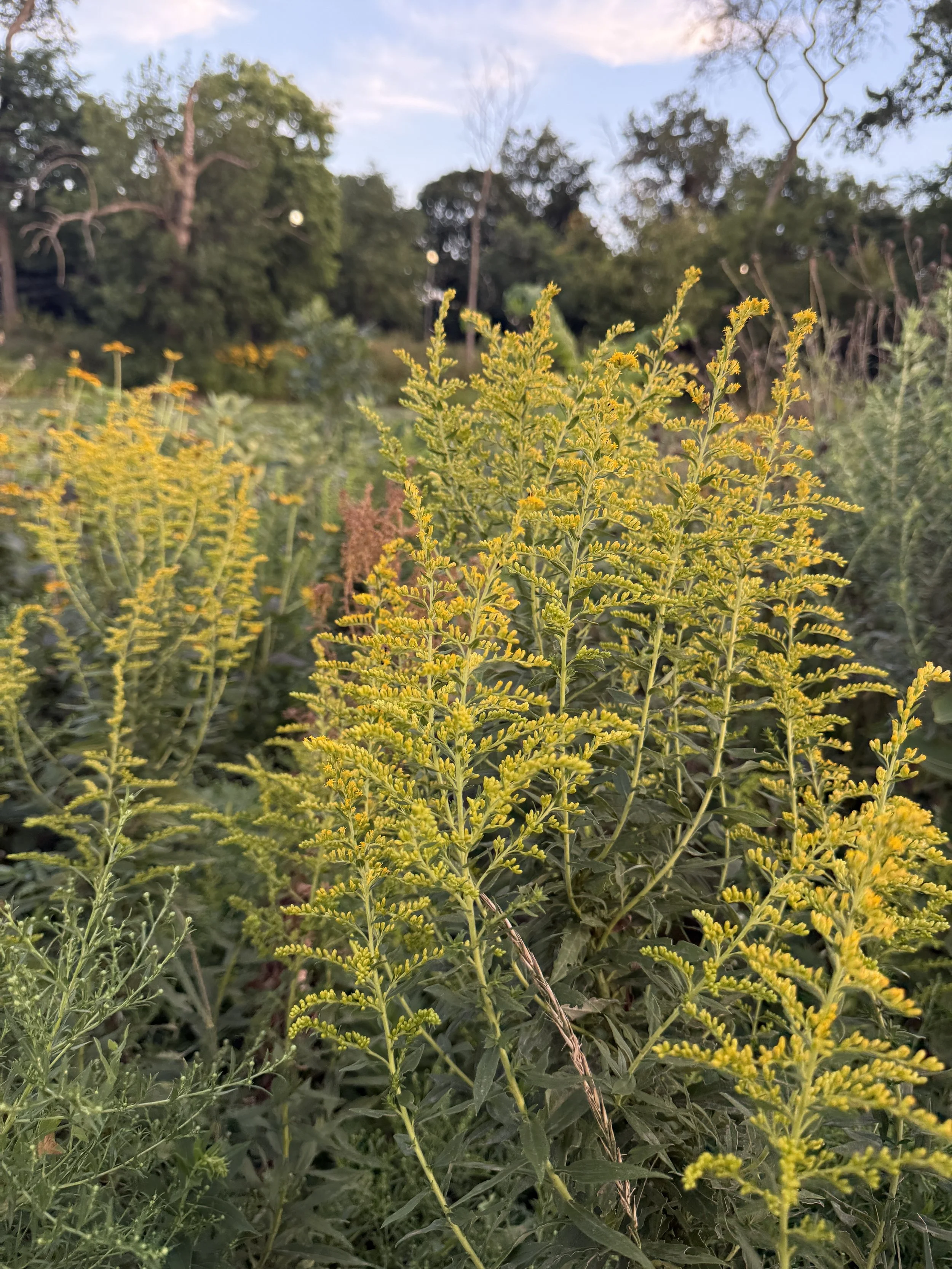
September Native Plant of the Month: Solidago spp. (Goldenrod)
Why This Misunderstood Native Deserves a Place in Chicago Gardens
Every September, goldenrod gets blamed for something it didn't do.
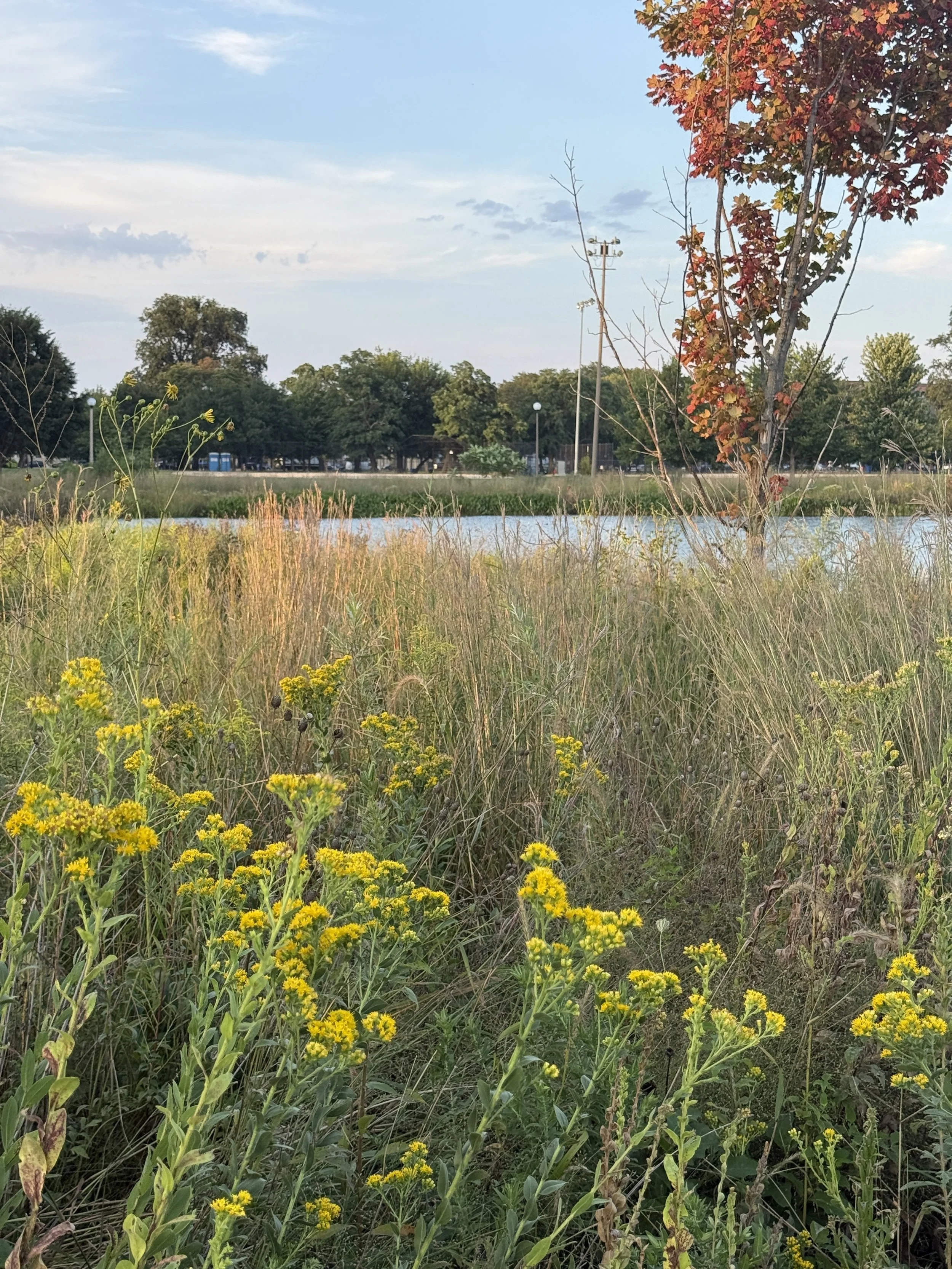
As brilliant yellow flowers begin lighting up roadsides, gardens, and natural areas across Chicago, many people associate goldenrod with the sneezing and itchy eyes of fall allergy season. But goldenrod (Solidago spp.) is not the usual culprit. Ragweed is far more likely to be responsible for seasonal hay fever.
The confusion is understandable: goldenrod and ragweed bloom at nearly the same time. But their pollination strategies are very different.
Goldenrod is insect-pollinated, producing relatively heavy, sticky pollen that is carried by bees and other insects from flower to flower. Ragweed, on the other hand, is wind-pollinated, producing abundant, lightweight pollen that can become airborne and trigger allergies. So the next time you see a field of goldenrod glowing yellow in September, you can appreciate it rather than blame it.
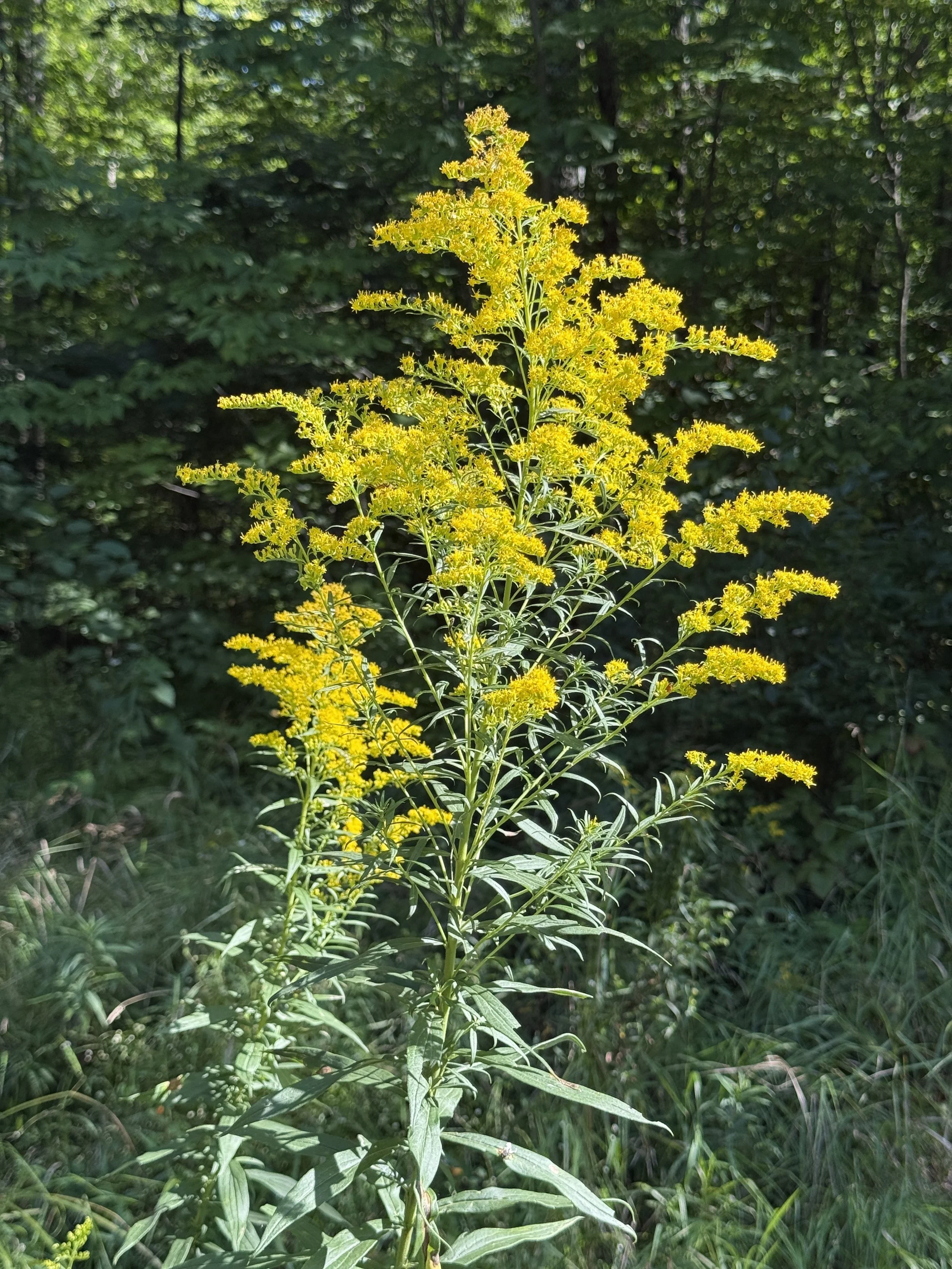
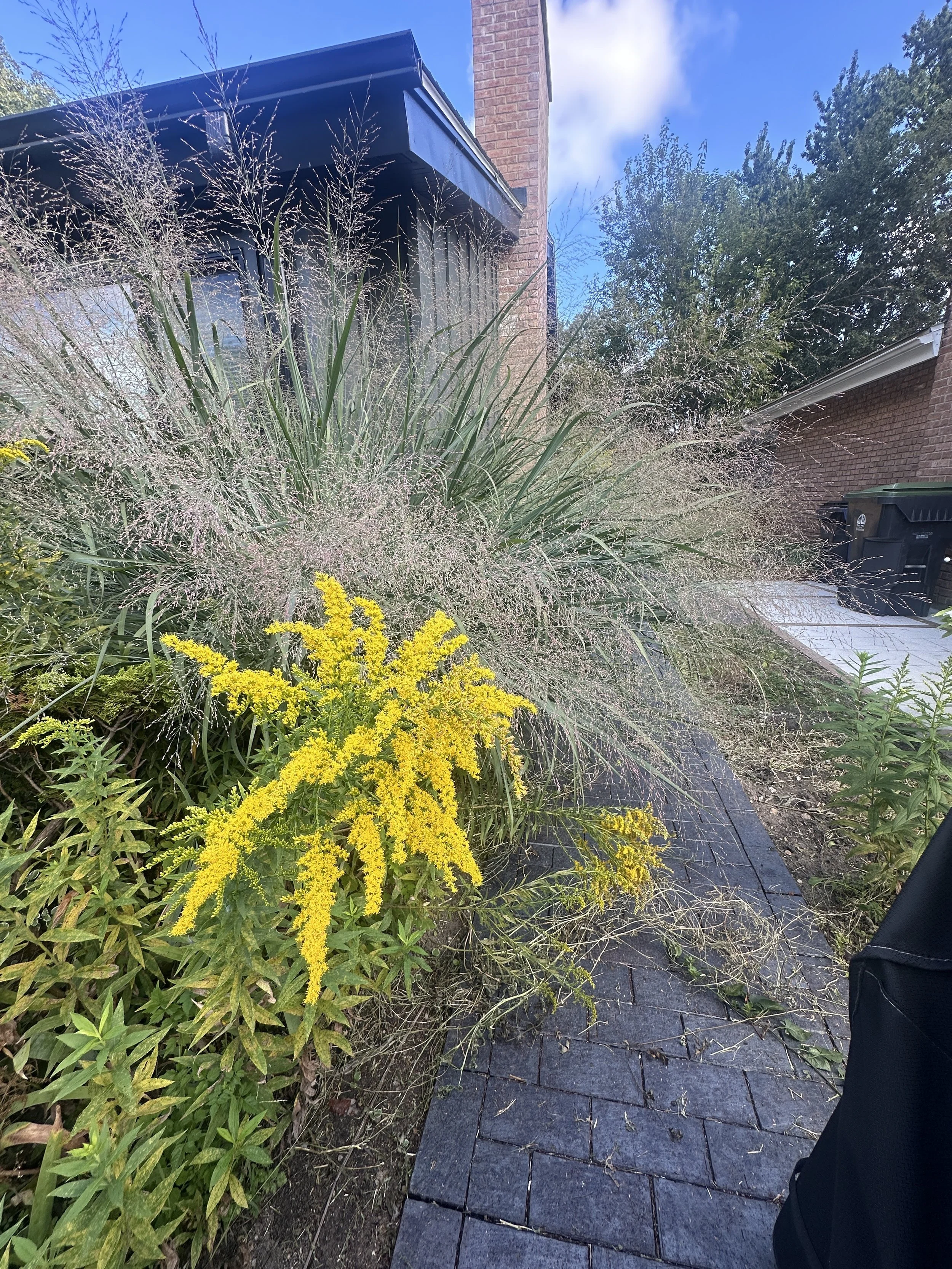
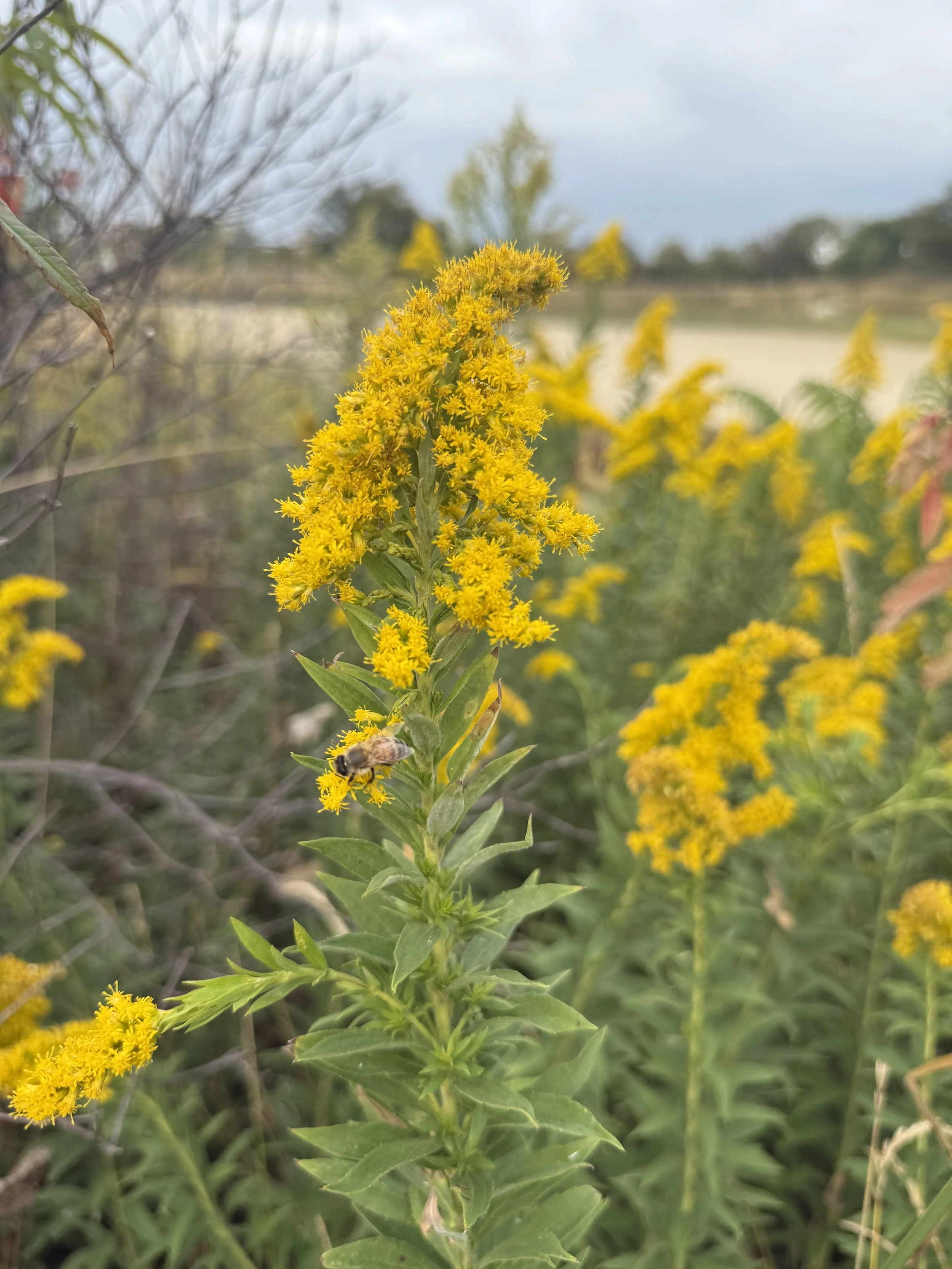
Goldenrod: A Late-Season Powerhouse
Goldenrod is one of those plants that becomes increasingly valuable as summer winds down. Many gardens reach a flowering lull in late summer and fall, just when pollinators and other insects are still active and preparing for winter.
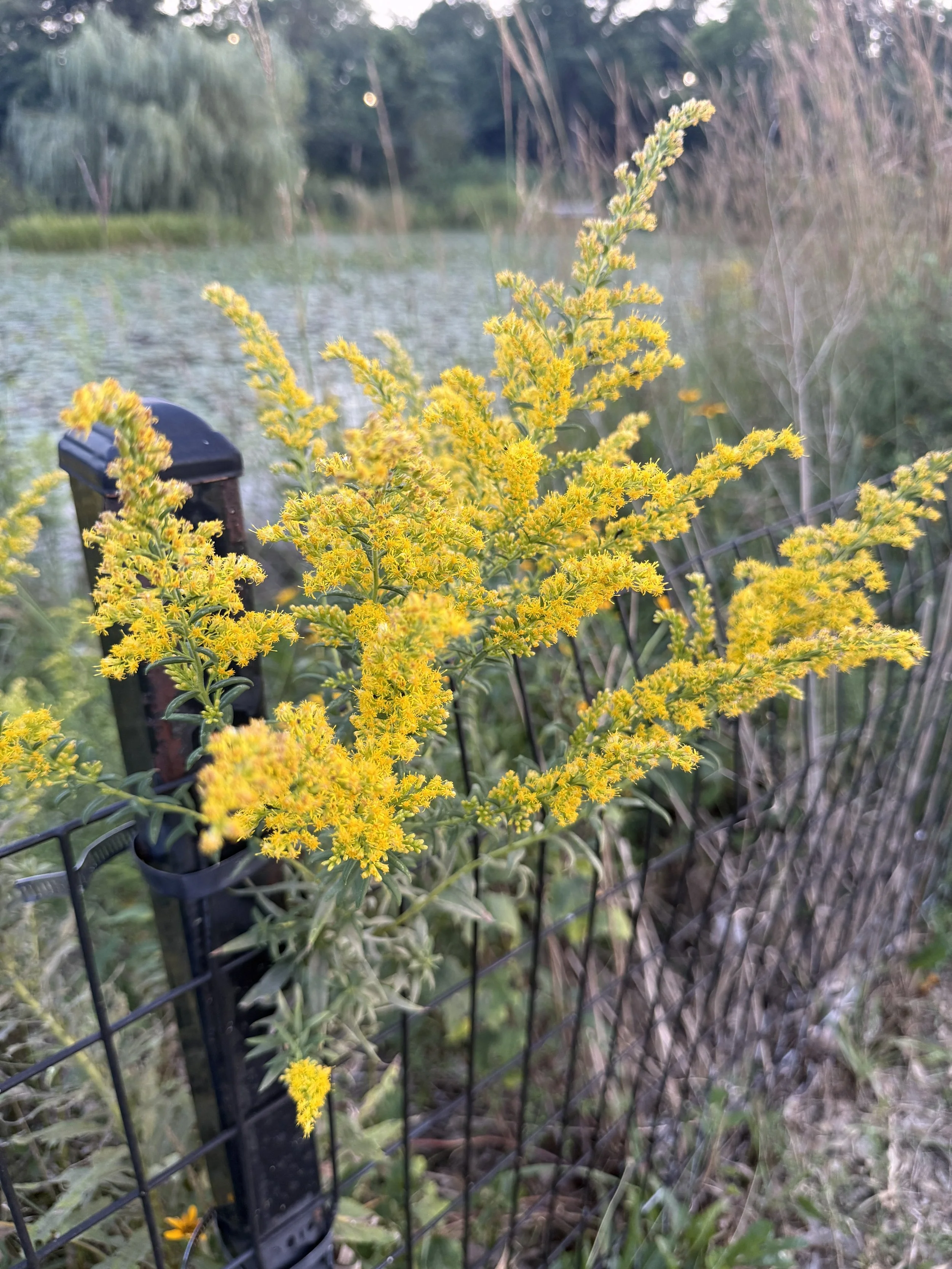
Solidago spp. helps fill that gap with an abundant source of nectar and pollen for bumblebees, native bees, butterflies, hoverflies, beetles, wasps, and many other insects.
Solidago is also considered a keystone plant, which means that plant supports an especially large number of other species and plays a disproportionately important and valuable role in an ecosystem. Illinois Extension notes that goldenrod supports dozens of butterfly and moth species, including species that use it as a host plant for their caterpillars.
In other words, goldenrod is essentially a wildlife restaurant at a time of year when the menu is getting smaller.
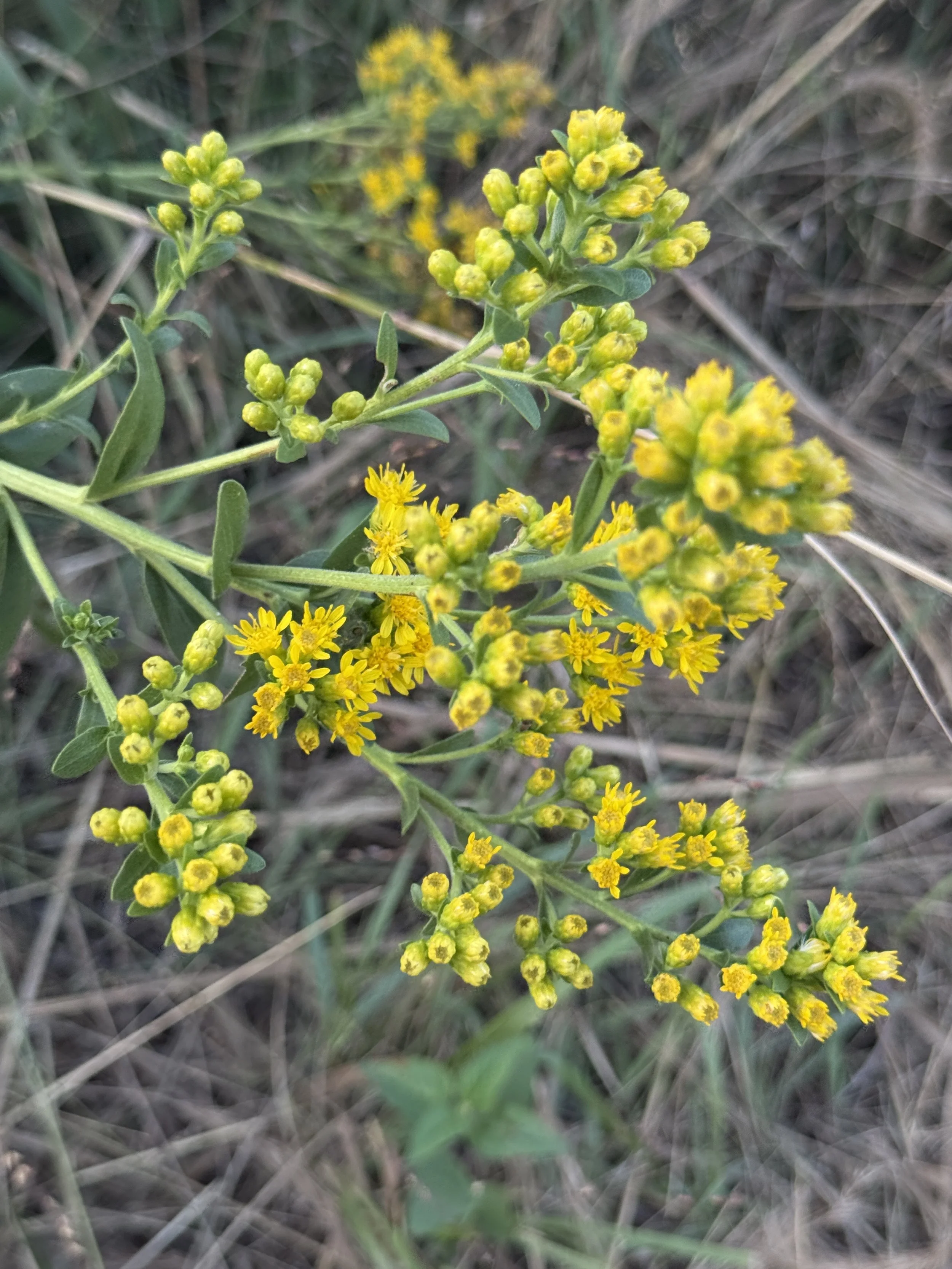
There Isn't Just One Goldenrod
Here's where goldenrod gets particularly interesting for landscape design: not all Solidago belongs in every garden.
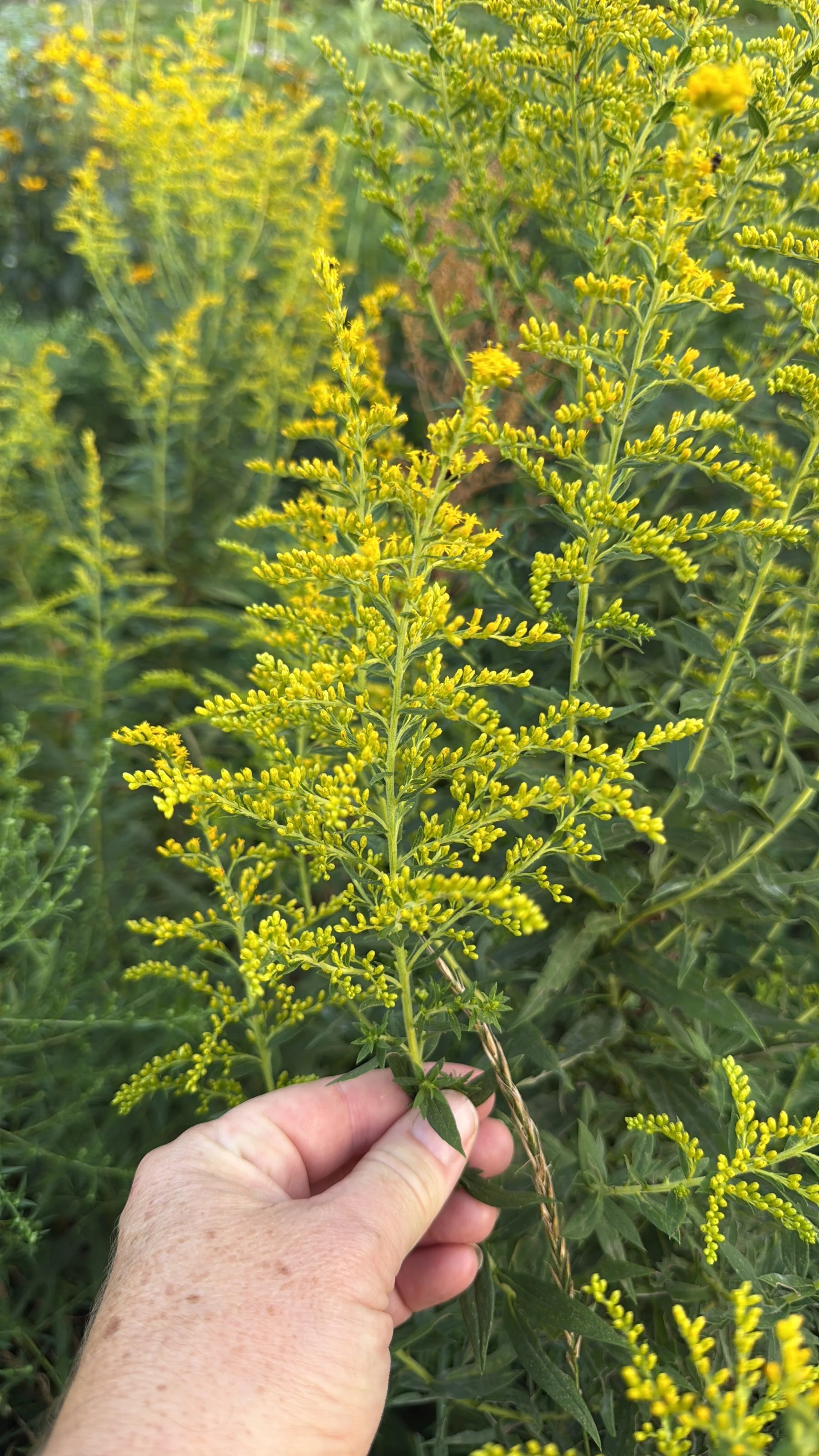
There are more than 100 species of goldenrod worldwide, most native to North America, and 22 species occur naturally in the Chicago region. They range from compact plants suitable for smaller residential gardens to towering prairie species that can reach 4–6 feet or more.
So the question isn't necessarily “Should I plant goldenrod?”
The better question is: Which goldenrod is right for my garden?
For a small urban landscape or perennial border, compact selections such as Solidago sphacelata 'Golden Fleece,' 'Baby Sun,' and 'Goldkind' can provide that beautiful late-season golden color without overwhelming the planting bed.
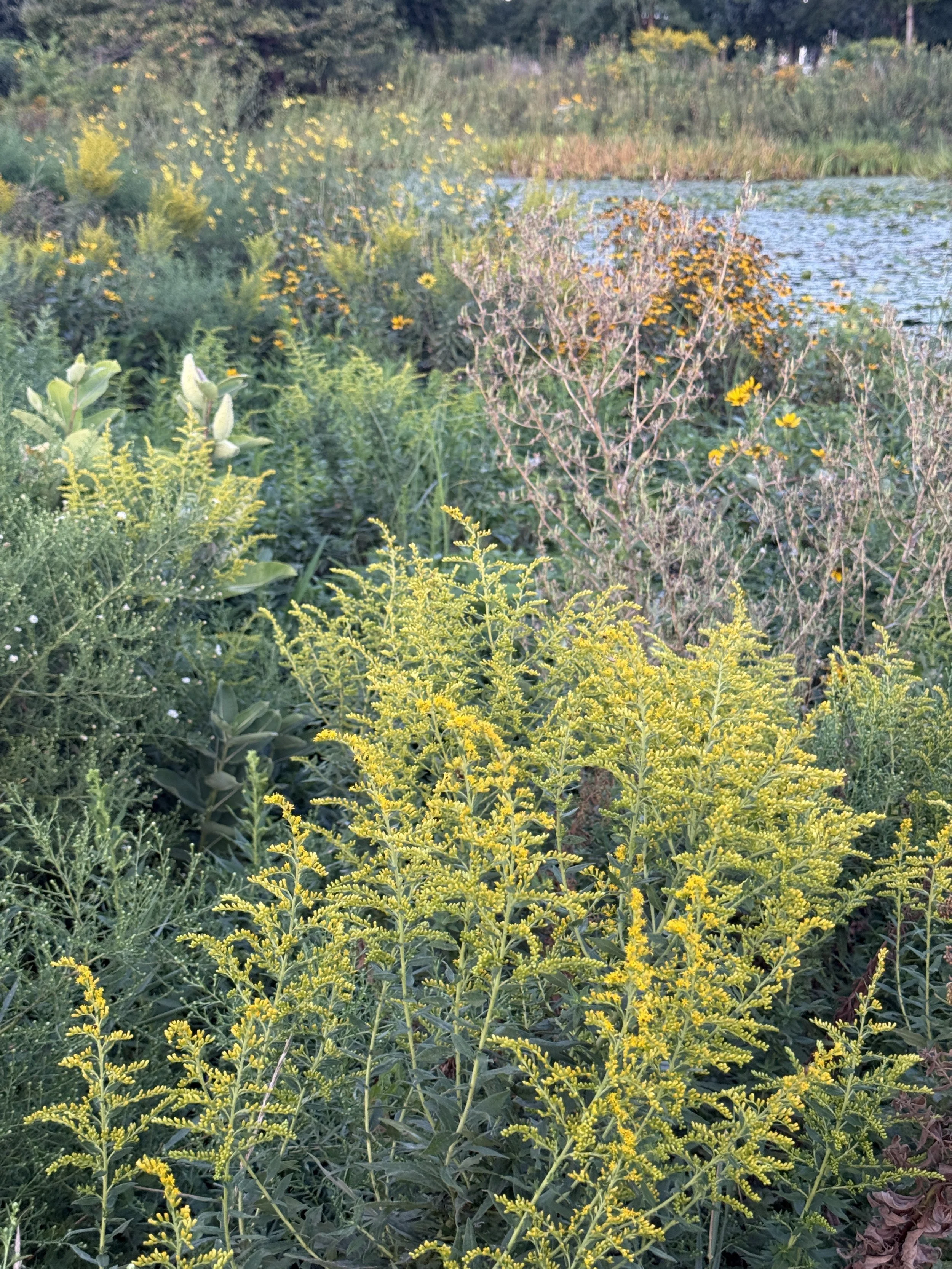
Larger landscapes can accommodate plants such as Solidago rugosa 'Fireworks' or stiff goldenrod (Oligoneuron rigidum), while tall goldenrod (Solidago altissima) is better suited to naturalistic or larger-scale landscapes where it has room to grow and spread.
Good landscape design is about choosing the right plant for the right place.
Growing Goldenrod in Chicago
Goldenrod is remarkably adaptable, but growing conditions vary by species. Most goldenrods prefer full sun, although some species, such as Solidago flexicaulis, are better suited to part-shade conditions.
Depending on the species, goldenrod can thrive in soils ranging from dry and sandy prairie soils to consistently moist conditions. Many varieties are hardy, relatively low maintenance once established, and tolerant of challenging urban growing conditions.
The key is matching the plant to the site rather than trying to make the site fit the plant.
At Rooftopia, that's an important part of our planting philosophy: right plant, right place. We consider soil, drainage, moisture, sunlight, available space, mature size, maintenance needs, and the overall design before selecting plants for a landscape.
Designing With Goldenrod
Goldenrod is beautiful on its own, but it really shines when incorporated into a thoughtfully designed planting.
For a classic Chicago fall combination, try goldenrod with New England aster for a striking contrast of golden yellow and rich purple. For a more architectural, contemporary look, pair goldenrod with little bluestem or prairie dropseed, whose fine foliage and warm fall colors complement the golden flowers.
Other combinations we love include:
Goldenrod + Liatris for purple spikes and golden fall color
Goldenrod + Purple Prairie Clover for texture and an extended season of interest
Goldenrod + Sedum for a more structured, contemporary perennial planting
Goldenrod + ornamental grasses for movement, texture, and winter interest
Goldenrod + asters and other late-season natives for a lively pollinator-friendly planting
The goal isn't simply to add more flowers. It's to create a landscape that has color, texture, structure, and ecological value throughout the seasons.
Why We Love Goldenrod
Solidago spp. are crucial keystone perennials that remind us why thoughtful garden design matters. With so many species, sizes, and growth habits to choose from, there’s much more to it than adding a splash of yellow in fall.
At Rooftopia, we don’t choose plants simply because they’re beautiful or popular. We look at how each plant will perform and contribute to the overall design. Is the space sunny or shaded? How much room does the plant have to grow? What are the soil and moisture conditions? How will it complement the surrounding plants, architecture, and the way you use your outdoor space?
Rooftopia can help you find the right plant species and placement for your space, balancing seasonal beauty, pollinator value, and practical growing conditions. Because a successful garden isn’t just a collection of plants. It’s a thoughtful design where every plant has a purpose.