
October Native Plant of the Month: White Snakeroot (Ageratina altissima)
It looks innocent enough.
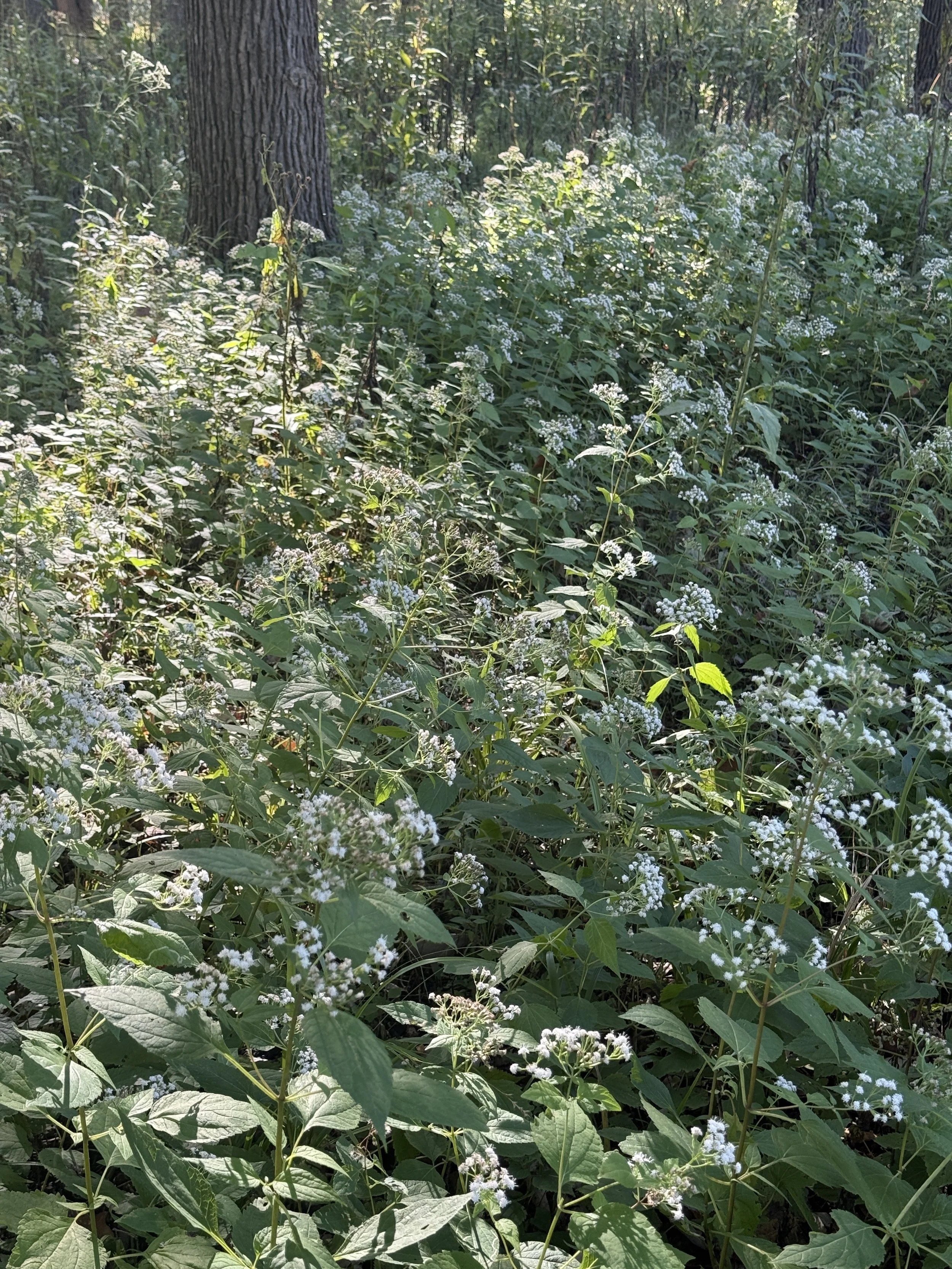
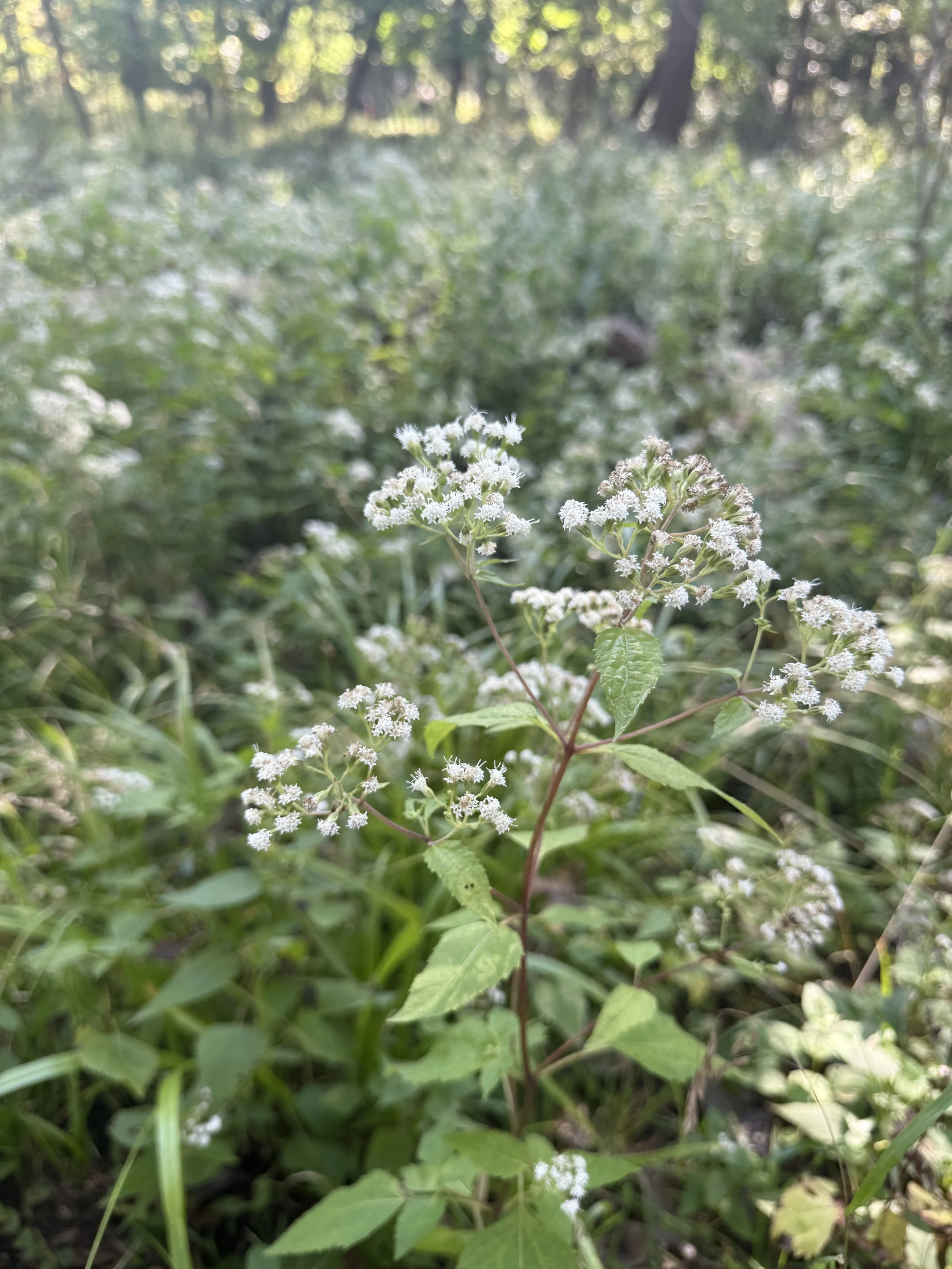
Clouds of tiny white flowers. Graceful, airy stems. A quiet native perennial tucked into the edge of a woodland garden.
But White Snakeroot has a darker history than its delicate appearance would suggest.
Meet Ageratina altissima, October's Native Plant of the Month and, appropriately for spooky season, one of the more unexpectedly sinister plants in the Chicago-area landscape.
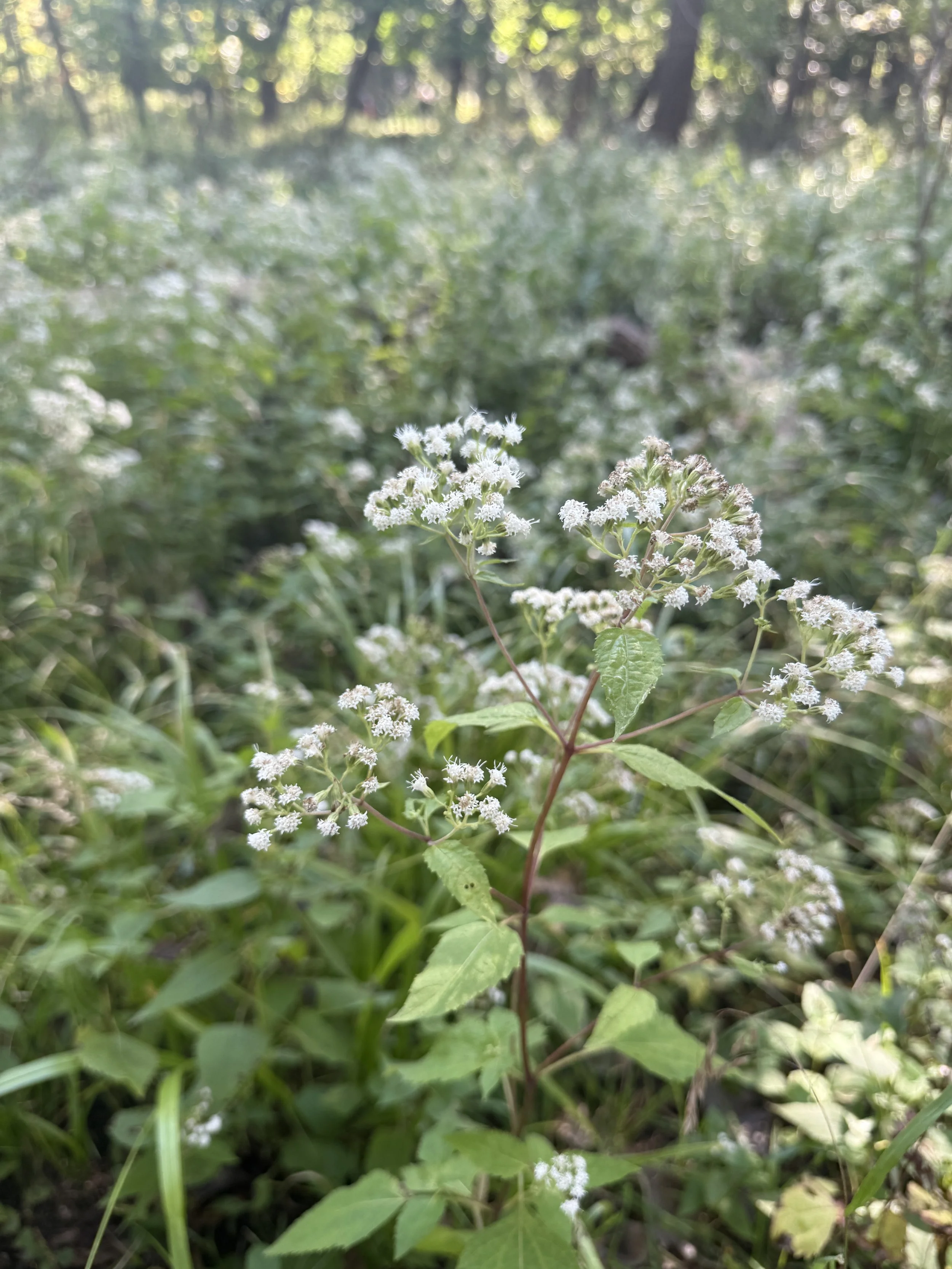
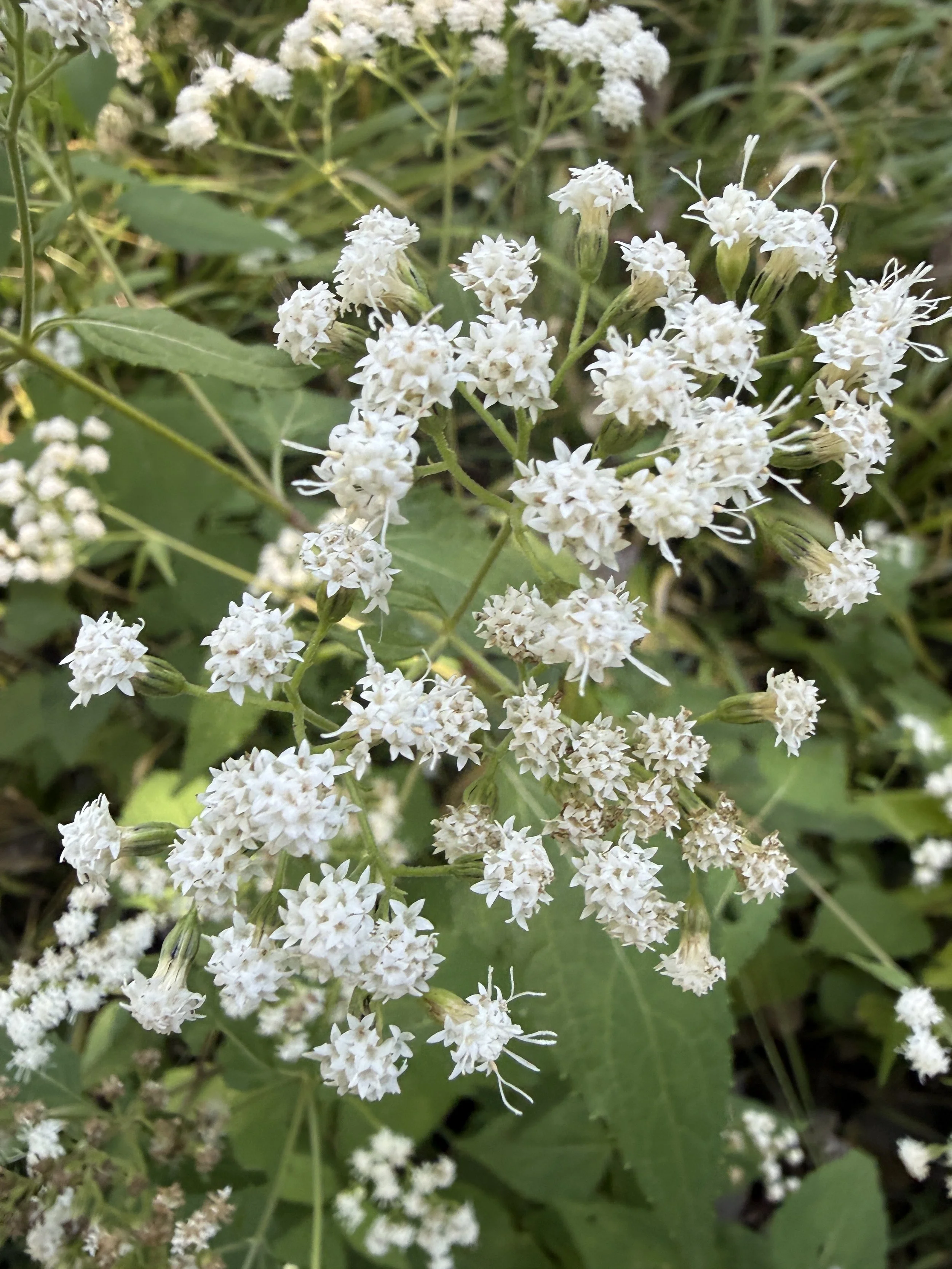
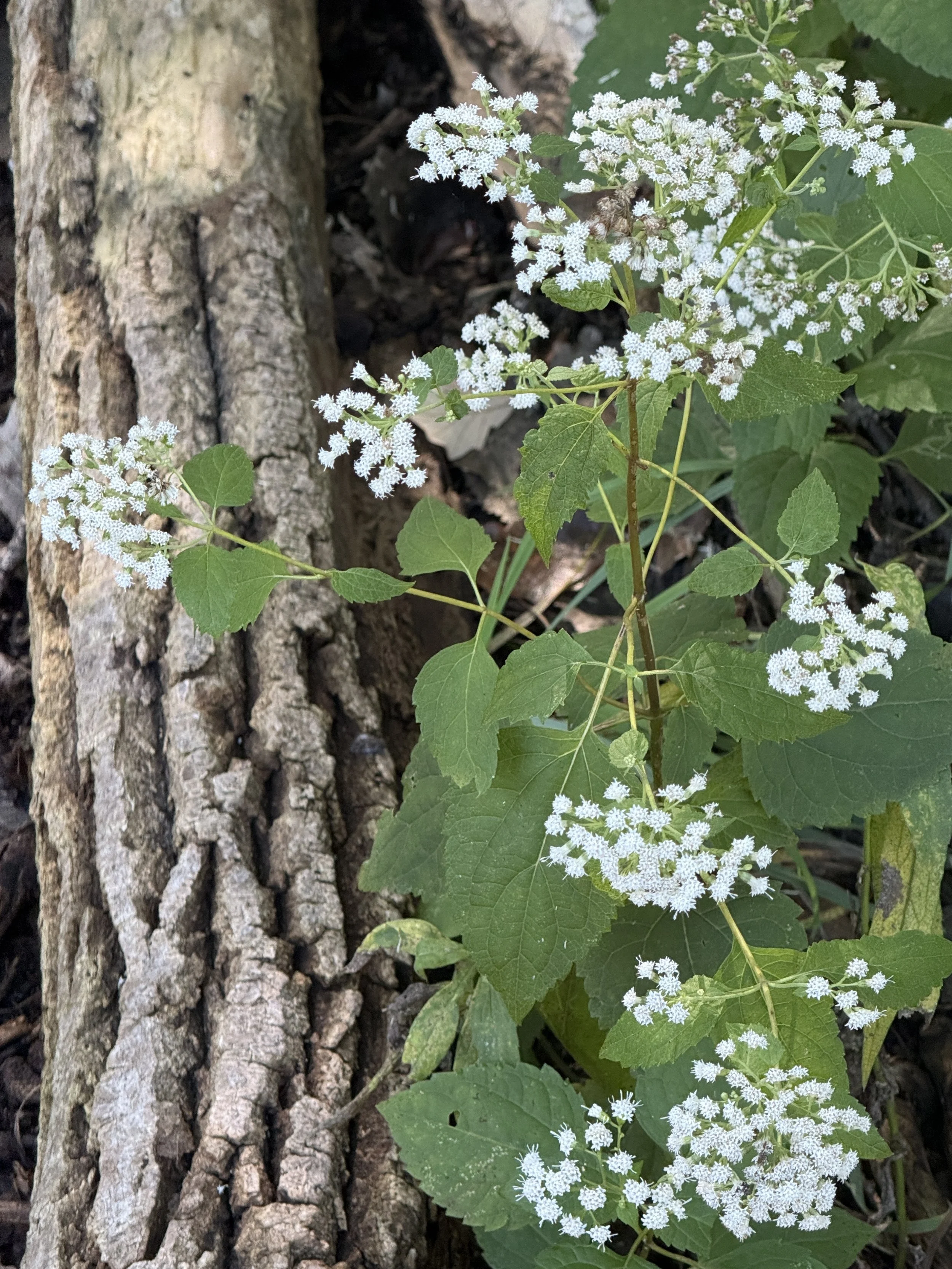
Beautiful. Delicate. Toxic.
White Snakeroot can be easy to overlook for much of the growing season. Then, from late summer into fall, it produces clusters of small white flowers that seem to float above the foliage.
That is part of its appeal.
Its loose, airy form brings movement and texture to naturalistic plantings and woodland-inspired gardens, while its late-season flowers add a bright, almost ghostly quality as the rest of the landscape begins shifting toward autumn.
White Snakeroot at a Glance
Botanical name: Ageratina altissima
Type: Native perennial
Height: Approximately 2–4 feet
Sun: Full sun to partial shade
Soil: Moist to wet, well-drained soil
Growing conditions: Woodland edges, woods, moist naturalized areas
Bloom period: August–October
Flower color: White
USDA hardiness: Zones 4–8
Growth habit: Upright, branching, airy; can spread by seed and short rhizomes
Chicago-area native: Yes
Illinois Extension notes that White Snakeroot is native to Illinois and performs best in consistently moist conditions.
The Poison You Couldn't See
Here's where the story gets darker.
White Snakeroot contains a toxin called tremetol. When livestock consume the plant, the toxin can pass into their milk and cause a potentially fatal illness known as milk sickness.
In the 19th-century American Midwest, milk sickness was a serious and mysterious illness. People weren't necessarily eating a poisonous plant.
They were drinking the milk.
And they had no idea where the illness was coming from.
A cow could graze on White Snakeroot, the toxin could enter its milk, and that milk could make its way into a family's kitchen.
A poisonous plant hiding in plain sight. A perfectly ordinary glass of milk. A mystery no one understood.
Pretty unsettling for a plant that looks this innocent.
And Then There's Abraham Lincoln
One of the most famous stories connected to White Snakeroot involves Nancy Hanks Lincoln, Abraham Lincoln's mother, who died in Indiana in 1818 during an outbreak of milk sickness.
The traditional account attributes her death to drinking milk from cows that had grazed on White Snakeroot. The story has become closely associated with the plant, although the exact cause of Nancy Hanks Lincoln's death cannot be established with certainty today.
The Plot Twist: We Actually Like This Plant
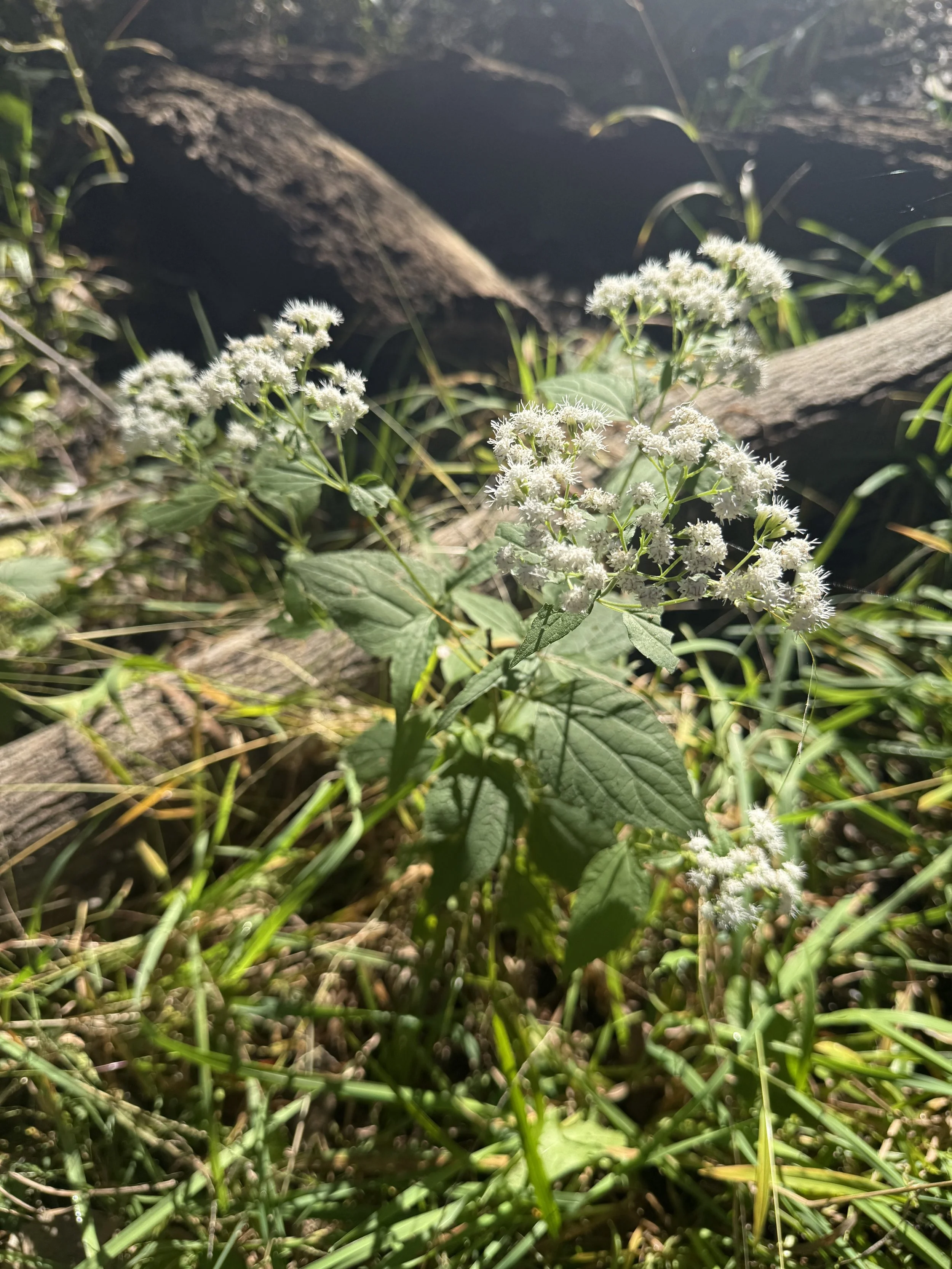
Despite its ominous history, White Snakeroot can be a beautiful addition to the right landscape.
For a shady or part-shade garden, its late-season white flowers provide a welcome change of pace after the brighter colors of summer begin to fade. Its loose form works especially well woven through a naturalistic planting rather than standing alone as a specimen.
Think:
Woodland gardens. Shady perennial borders. Naturalized plantings. Soft transitions between cultivated garden and wilder landscape.
At Rooftopia, we're always looking for plants that do more than simply fill a space. The right plant can change the texture, rhythm, movement, and feeling of an entire garden.
White Snakeroot is a wonderful example.
It adds an almost ethereal quality to late-season planting, supports a more naturalistic aesthetic, and gives the garden a little history to tell.
Just don't let the cows eat it.
A Little Mystery in the Garden
There are plenty of plants that are beautiful because they're dramatic.
White Snakeroot is interesting for almost the opposite reason.
It's quiet. Delicate. Easy to miss.
And yet this unassuming native plant has a history involving poisonous milk, a mysterious illness, and one of America's most famous families.
Not bad for a plant hiding in plain sight.
Happy Halloween from Rooftopia.
Beautiful gardens sometimes have the best stories.
Design. Build. Experience.