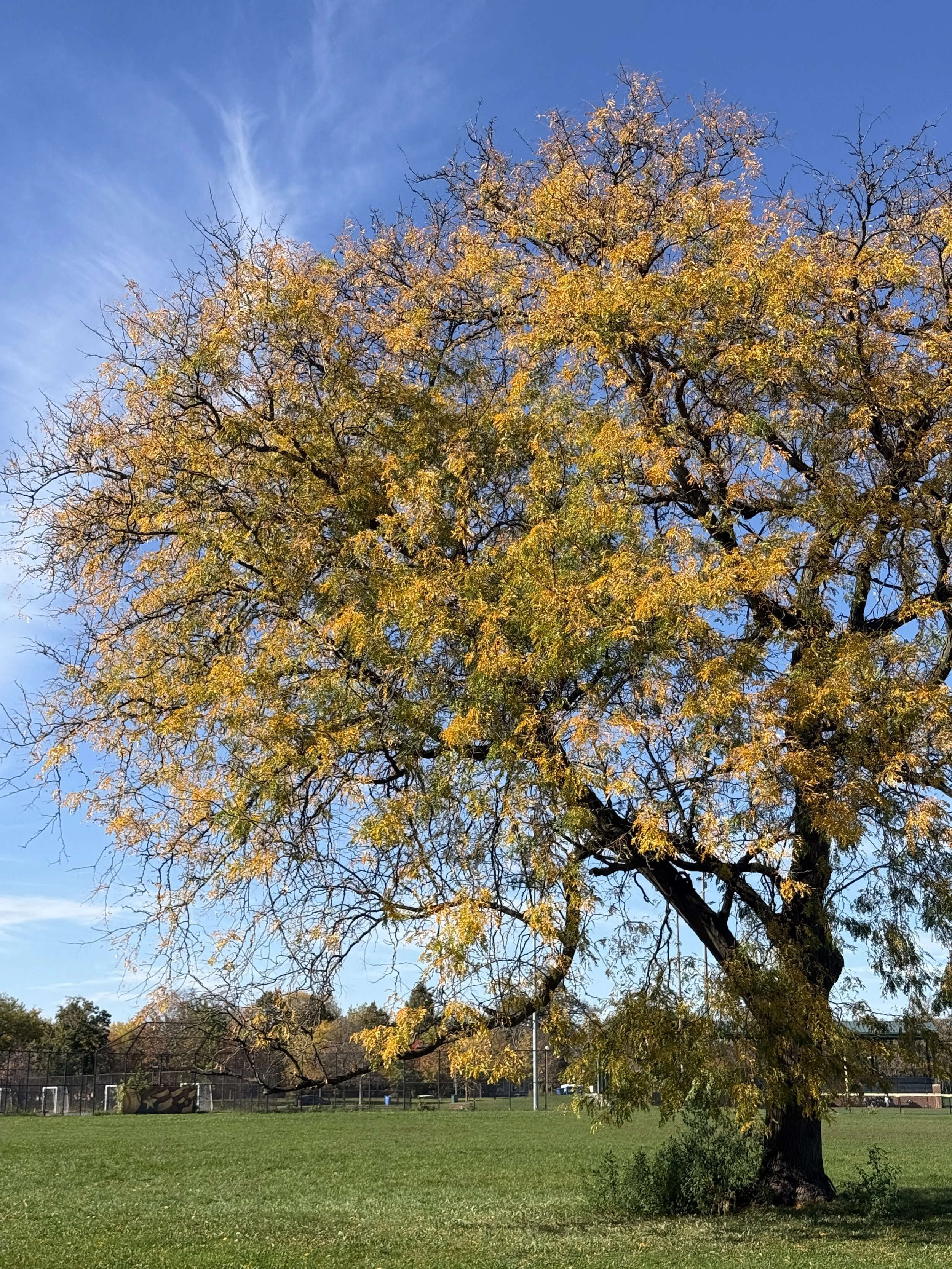
November is often when our gardens get their biggest cleanup. Leaves are raked, perennials are cut back, and flower beds are tidied in preparation for winter. But what if doing a little less could actually do a lot more?
For birds, butterflies, native bees, and countless other small creatures, the garden isn't finished when the flowers fade. Fallen leaves, dried stems, seed heads, and branches provide food, shelter, and places to overwinter.
A little less fall cleanup can mean a healthier, more welcoming landscape come spring.
Native Plants That Give Back
A wildlife-friendly garden isn't about one particular plant. It's about creating layers of food and habitat throughout the seasons. Here are a few of our favorite Midwest natives that offer something special:
Oak Trees (Quercus species)
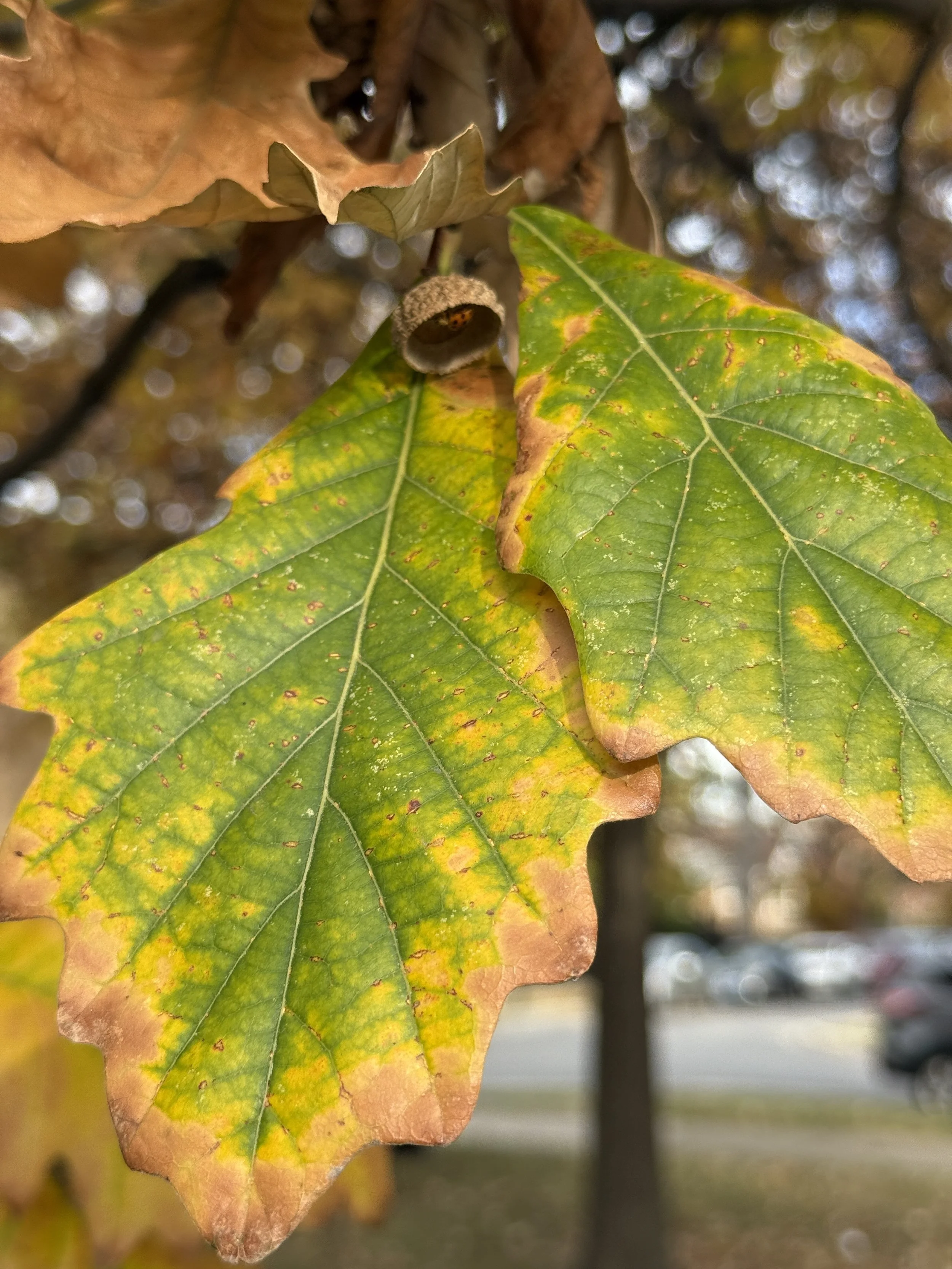
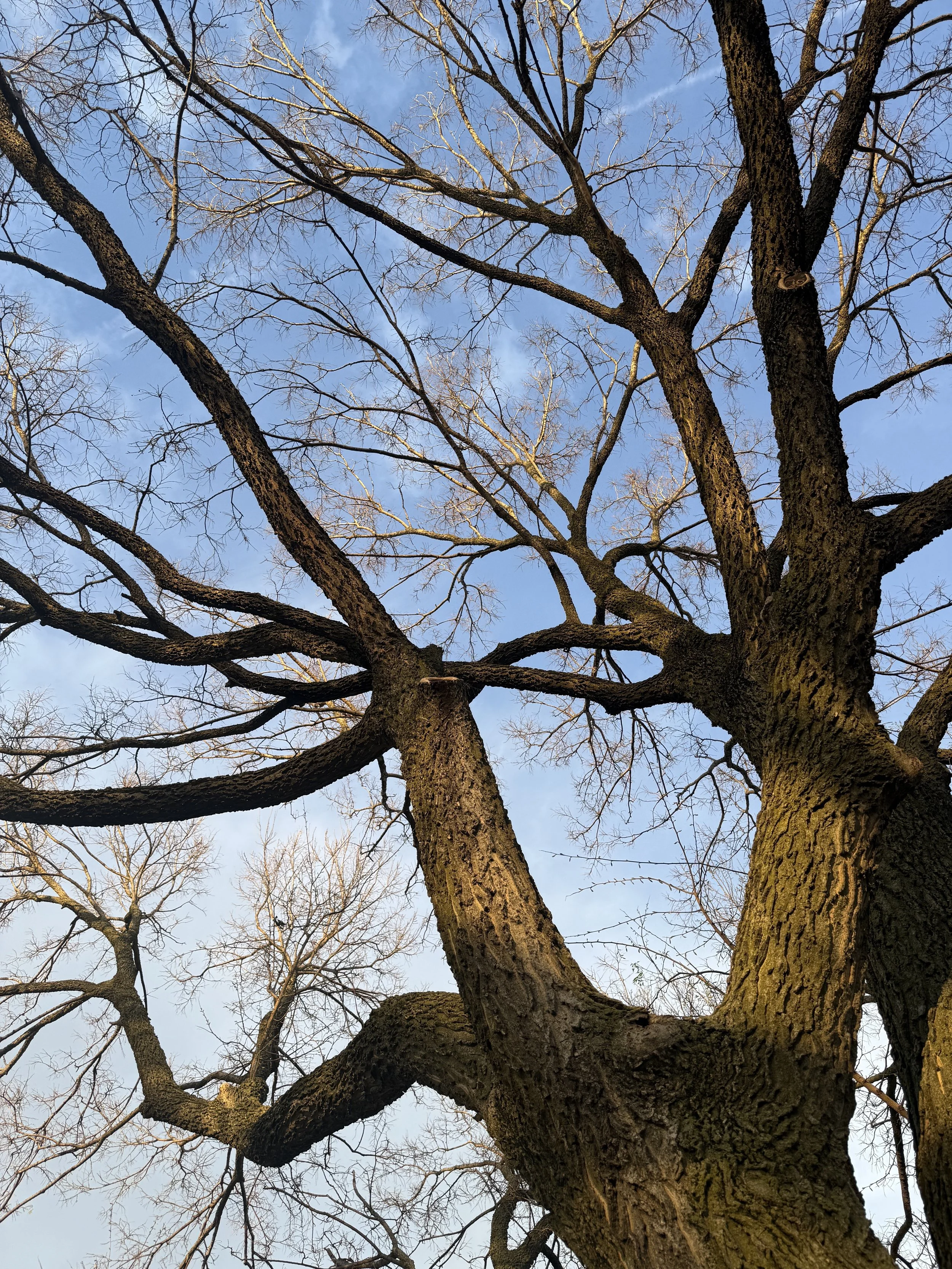
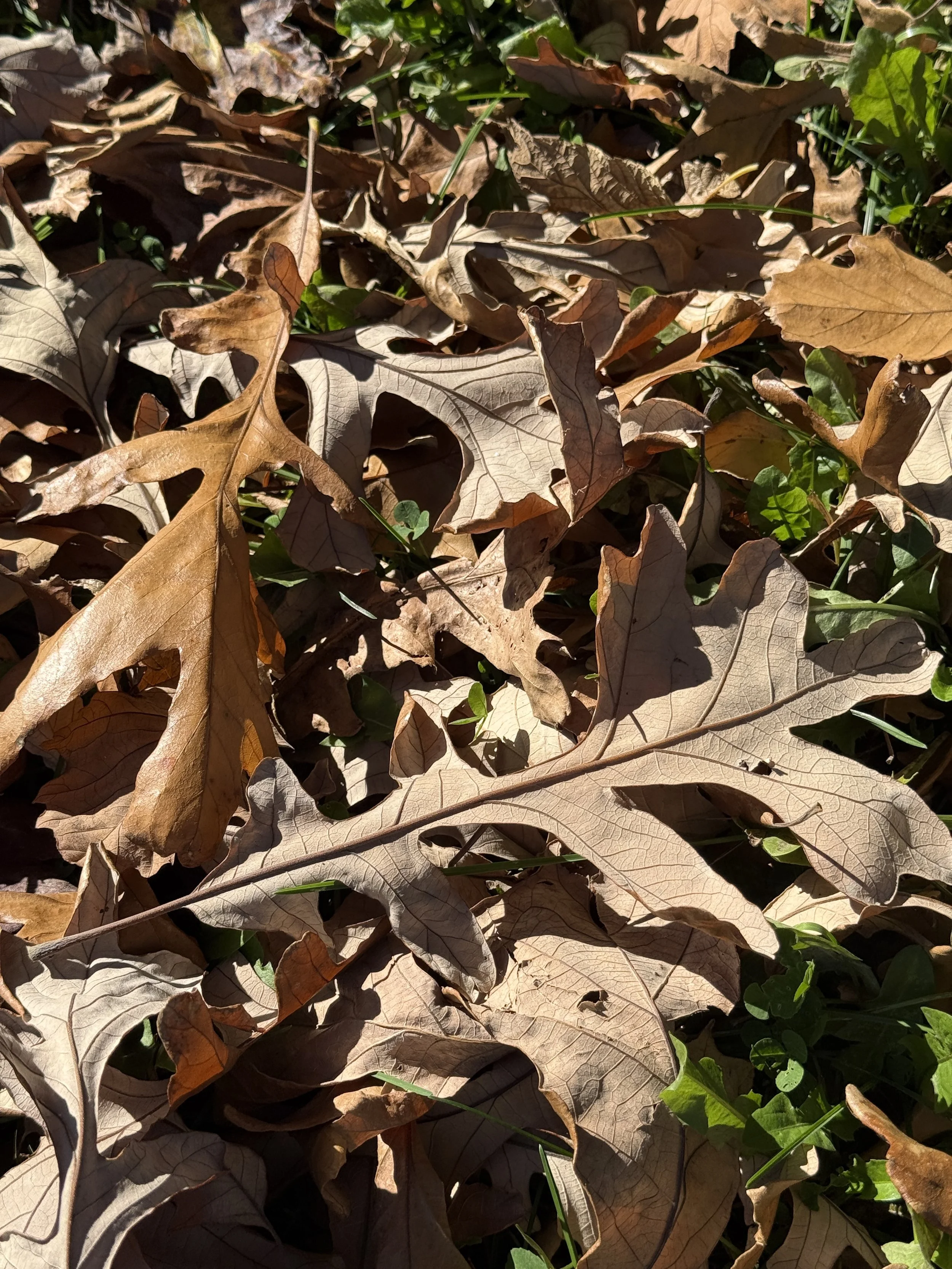
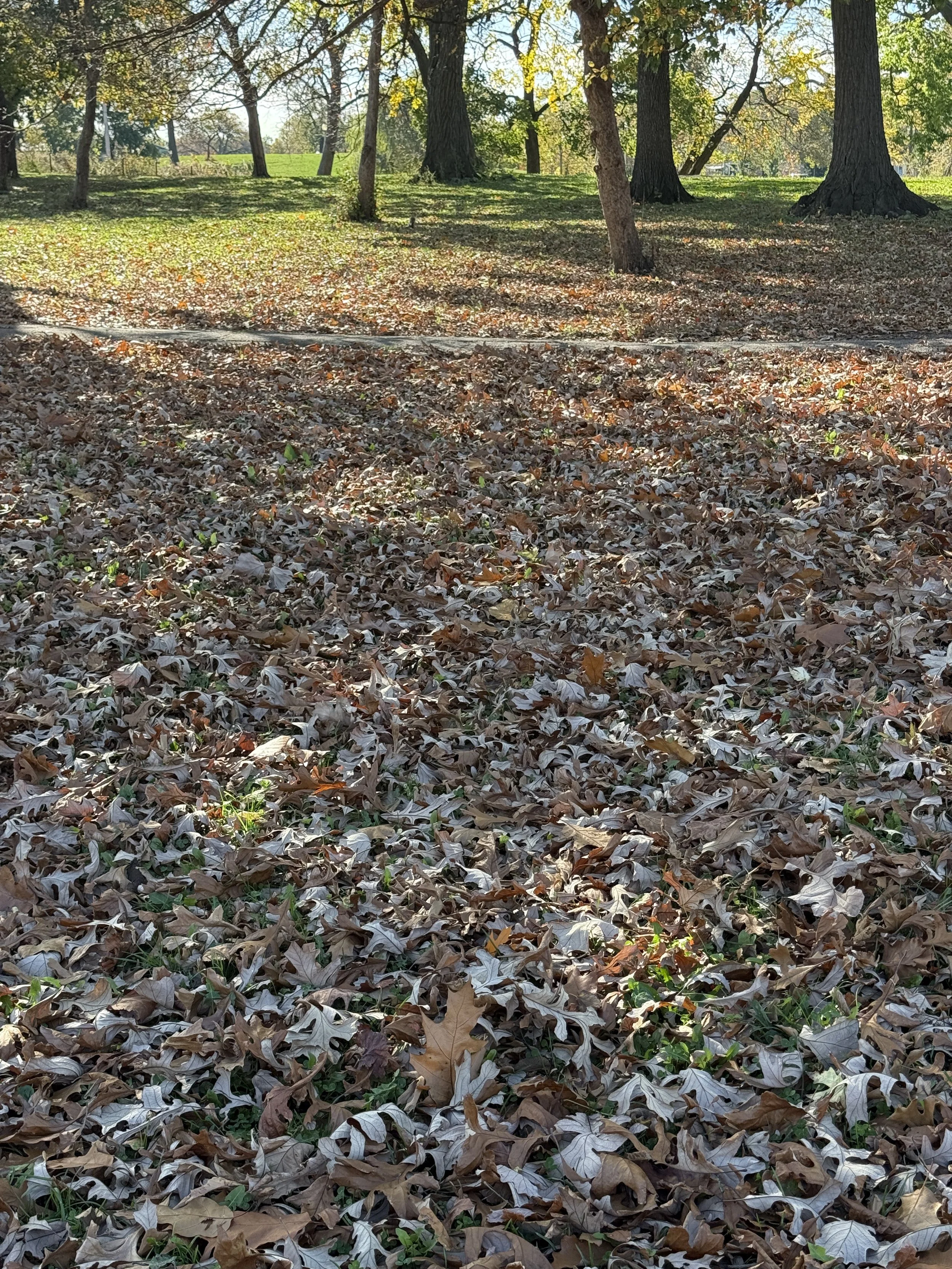
Oaks are ecological powerhouses. They support a remarkable diversity of native caterpillars and other insects, which in turn provide an important food source for birds. Their fallen leaves also create valuable overwintering habitat for insects and other small wildlife. Just remember that oak trees need a lot of space and are not usually ideal for our city lots
Purple Coneflower (Echinacea purpurea)
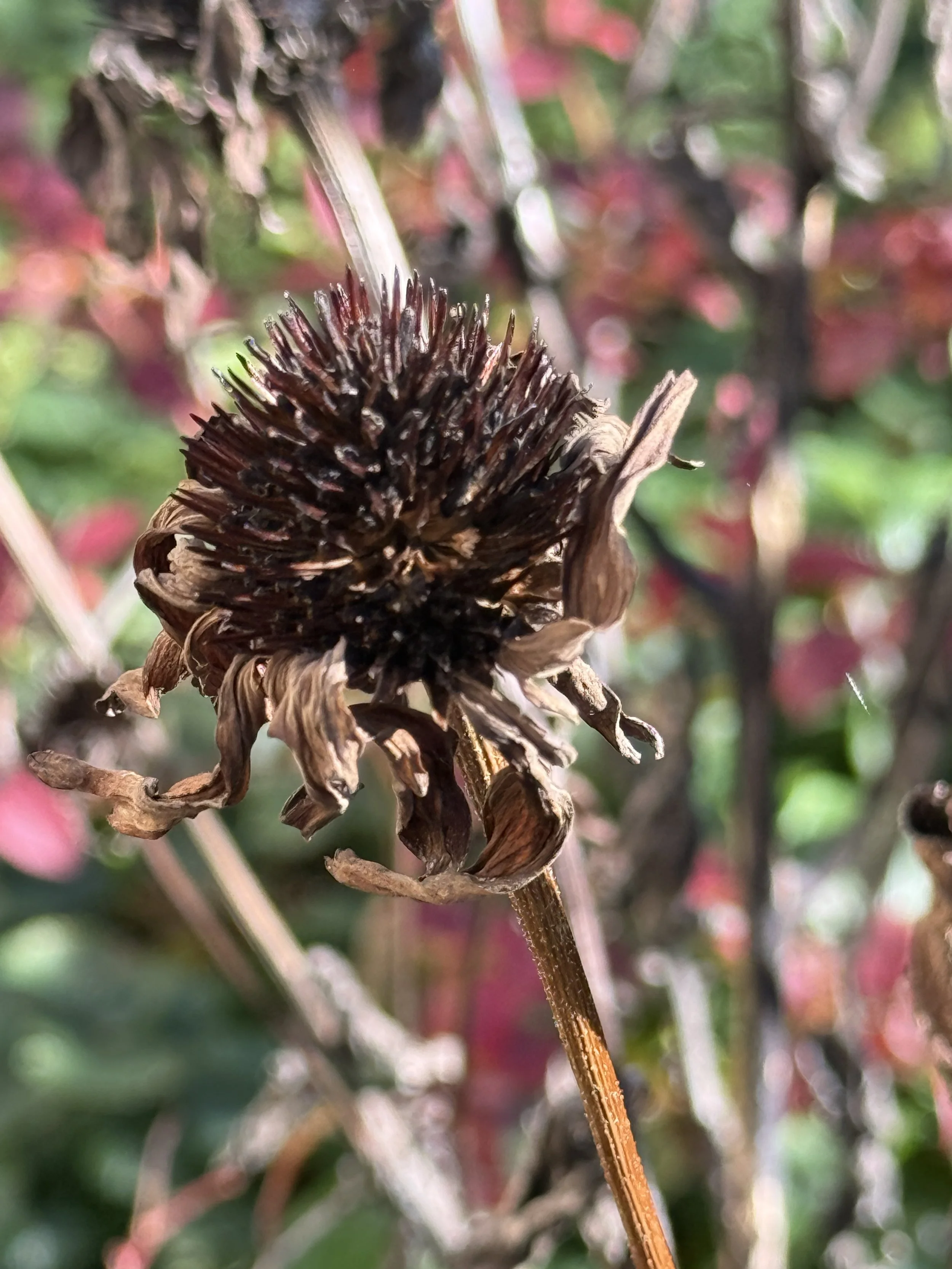
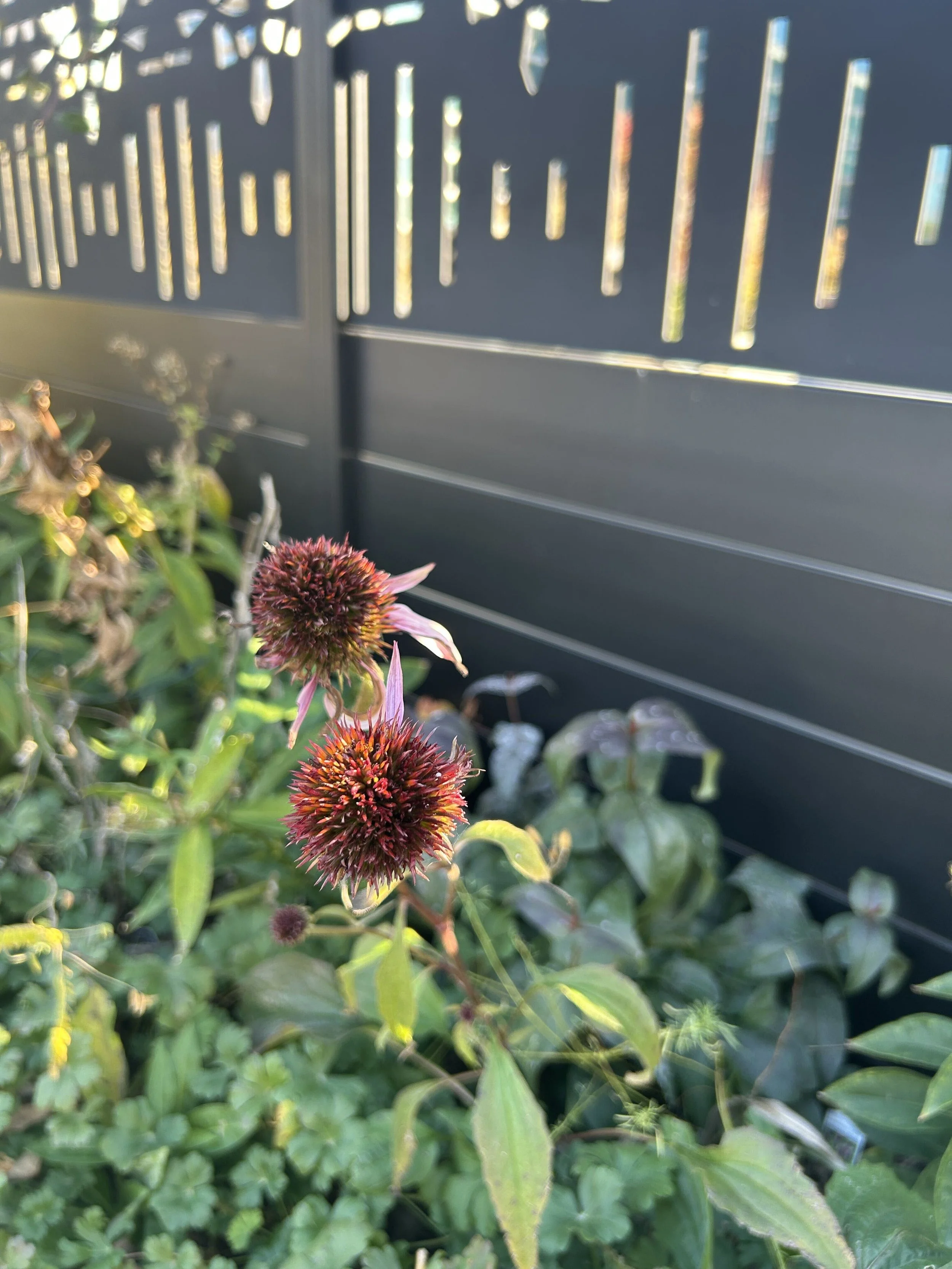
A favorite in summer pollinator gardens, purple coneflower continues to give long after its flowers fade. Its sturdy seed heads provide food for goldfinches and other seed-eating birds. Leave the stems standing through winter and enjoy their sculptural shape.
Big Bluestem (Andropogon gerardii)
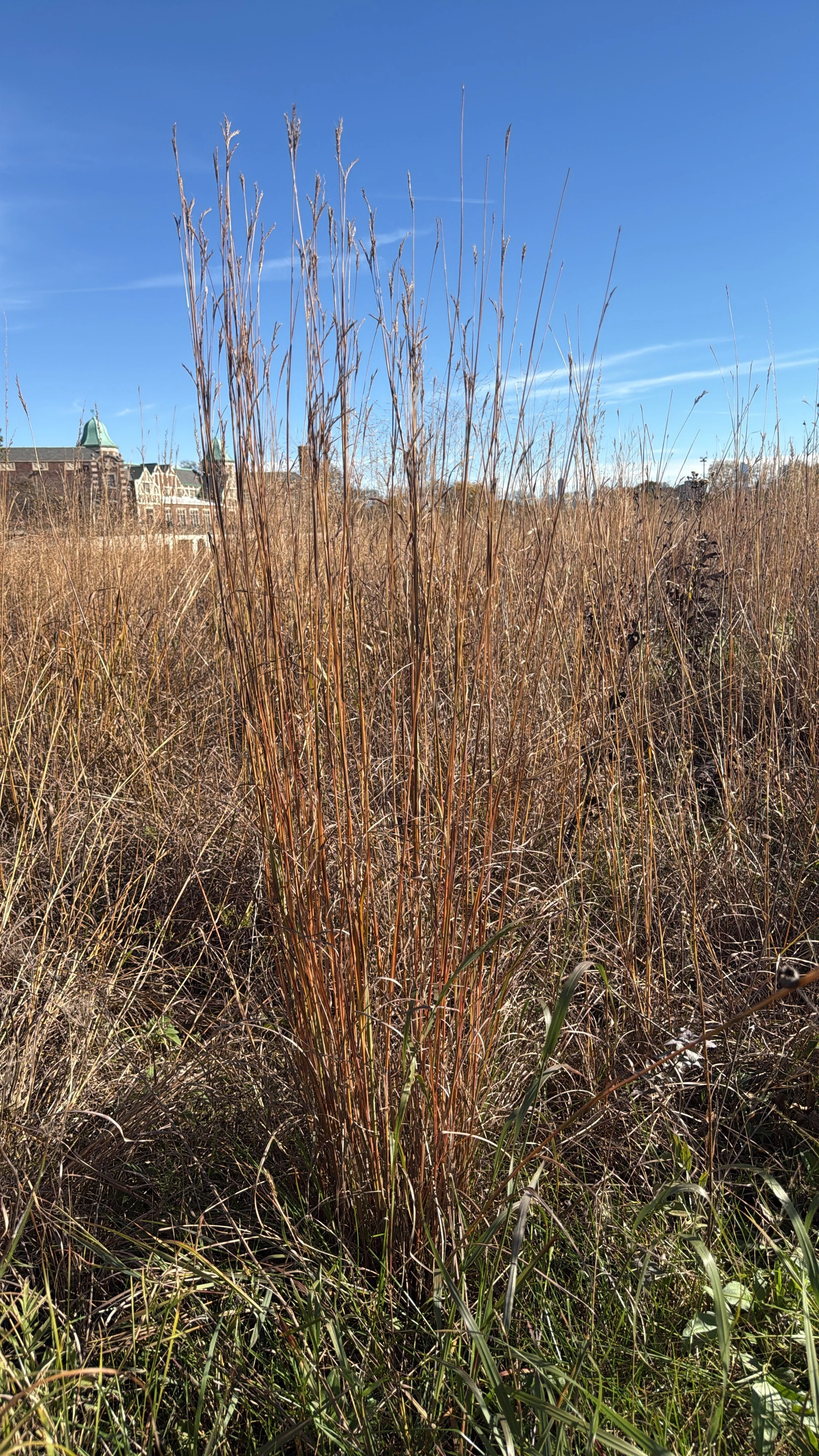
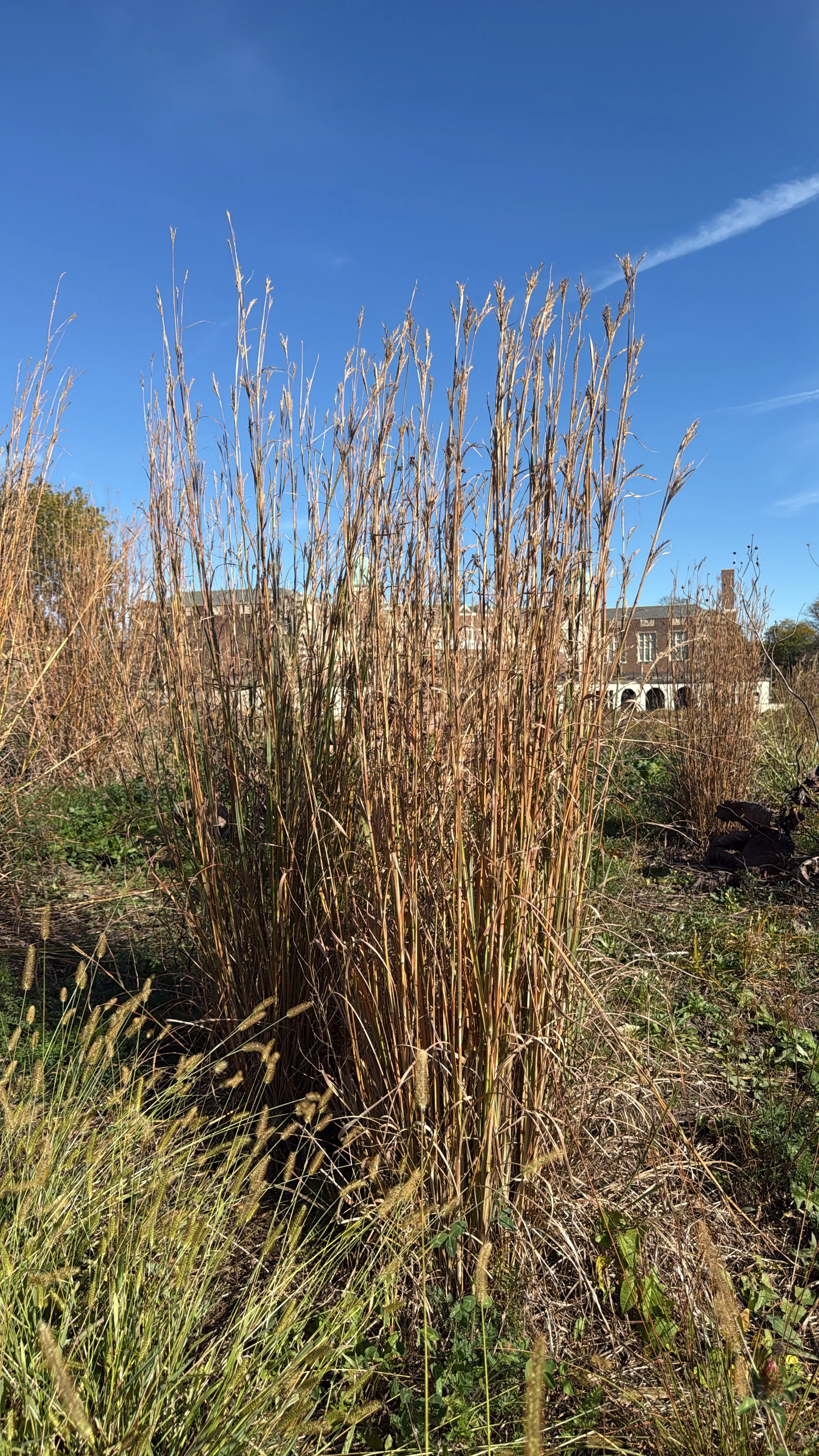
Big Bluestem is a beautiful, tall native prairie grass that provides beautiful winter interest with upright golden-bronze foliage and distinctive three-part seed heads. Its sturdy structure adds texture and movement to the winter landscape while providing valuable seeds and shelter for wildlife.
New England Aster (Symphyotrichum novae-angliae)
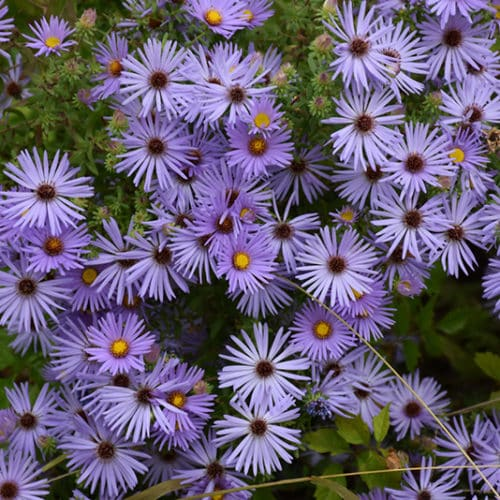
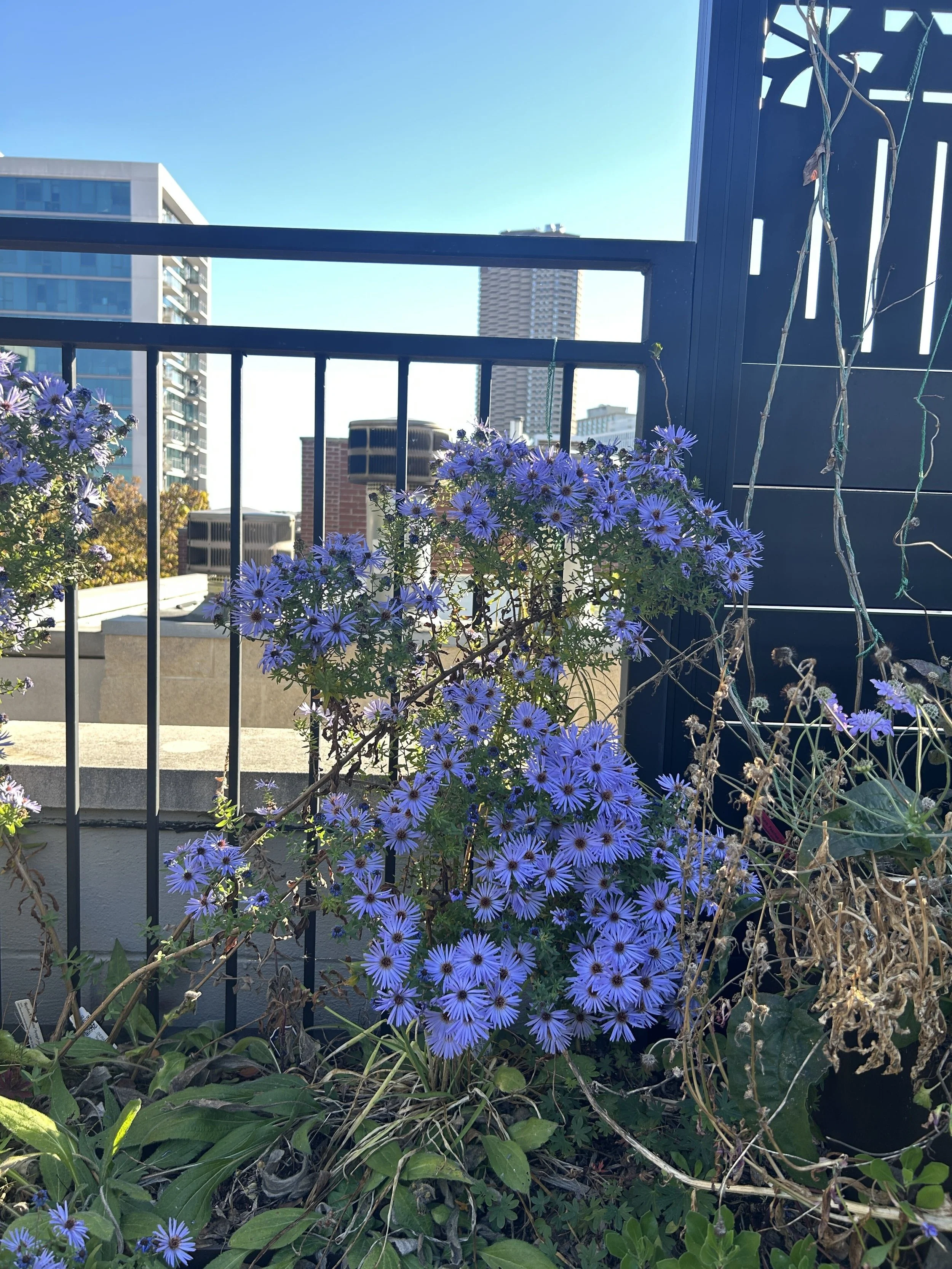
A late-season favorite, New England aster provides valuable nectar for migrating butterflies and native bees when many other flowers have finished blooming. Allowing its seed heads to remain can also benefit birds and provide natural winter structure.
Hawthorn (Crataegus spp.)
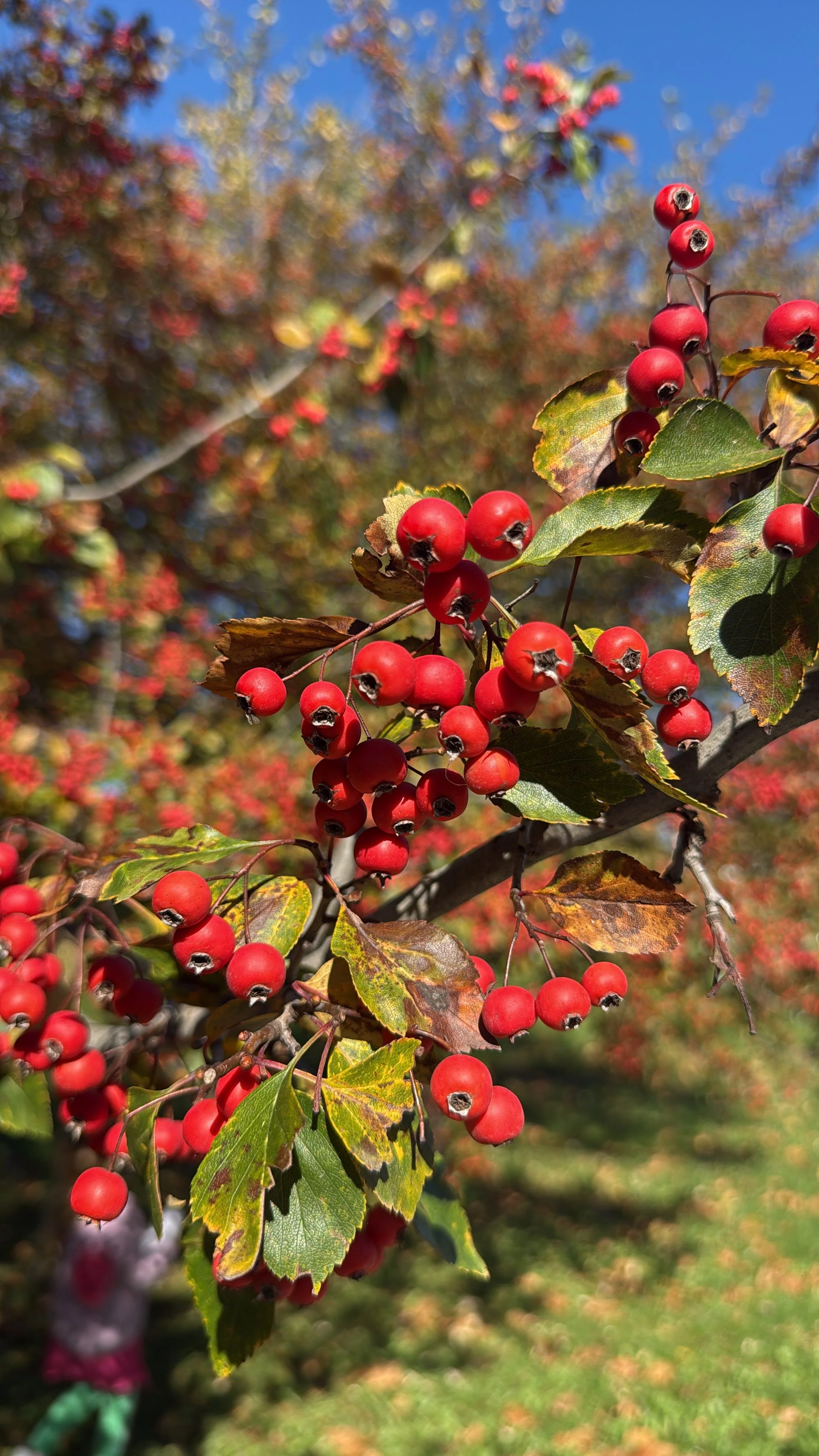
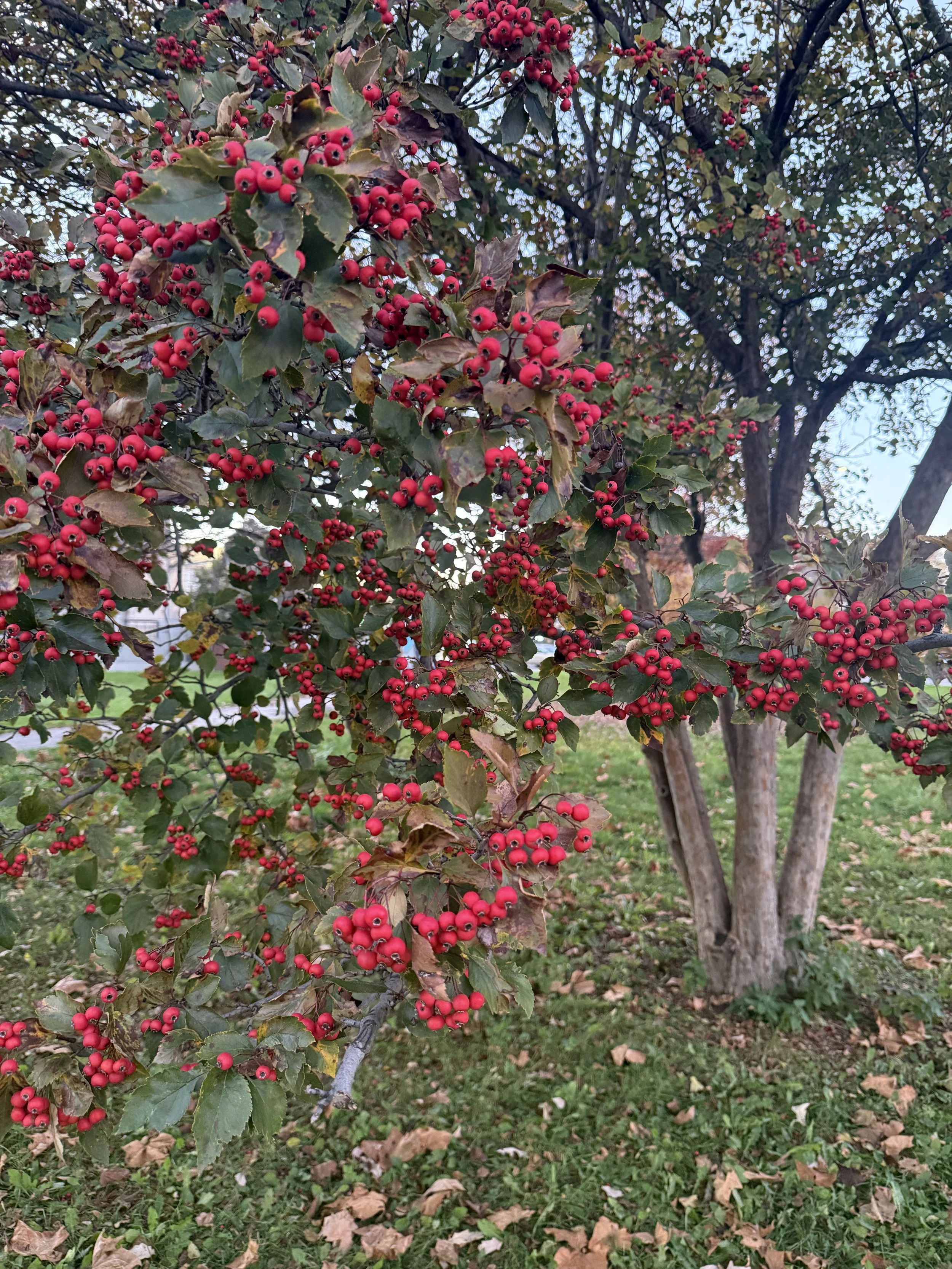
Hawthorn trees are beautiful in November, offering lasting winter interest with lots of clusters of red fruit that look like small apples, called pomes, that often persist into the colder months. Several species are native to the Chicago region, including Downy Hawthorn (Crataegus mollis), Cockspur Hawthorn (Crataegus crus-galli), and Dotted Hawthorn (Crataegus punctata). Downy Hawthorn is a particularly appealing native tree, reaching approximately 20–30 feet tall.
Beyond its seasonal beauty, hawthorn provides valuable food and shelter for wildlife. Its small, apple-like fruits feed birds such as cedar waxwings, cardinals, robins, and bluebirds, as well as deer and other mammals. Its dense, thorny branches also offer birds protective nesting and shelter habitat.
Three Ways to Give Wildlife a Helping Hand This November
1. Leave the Leaves
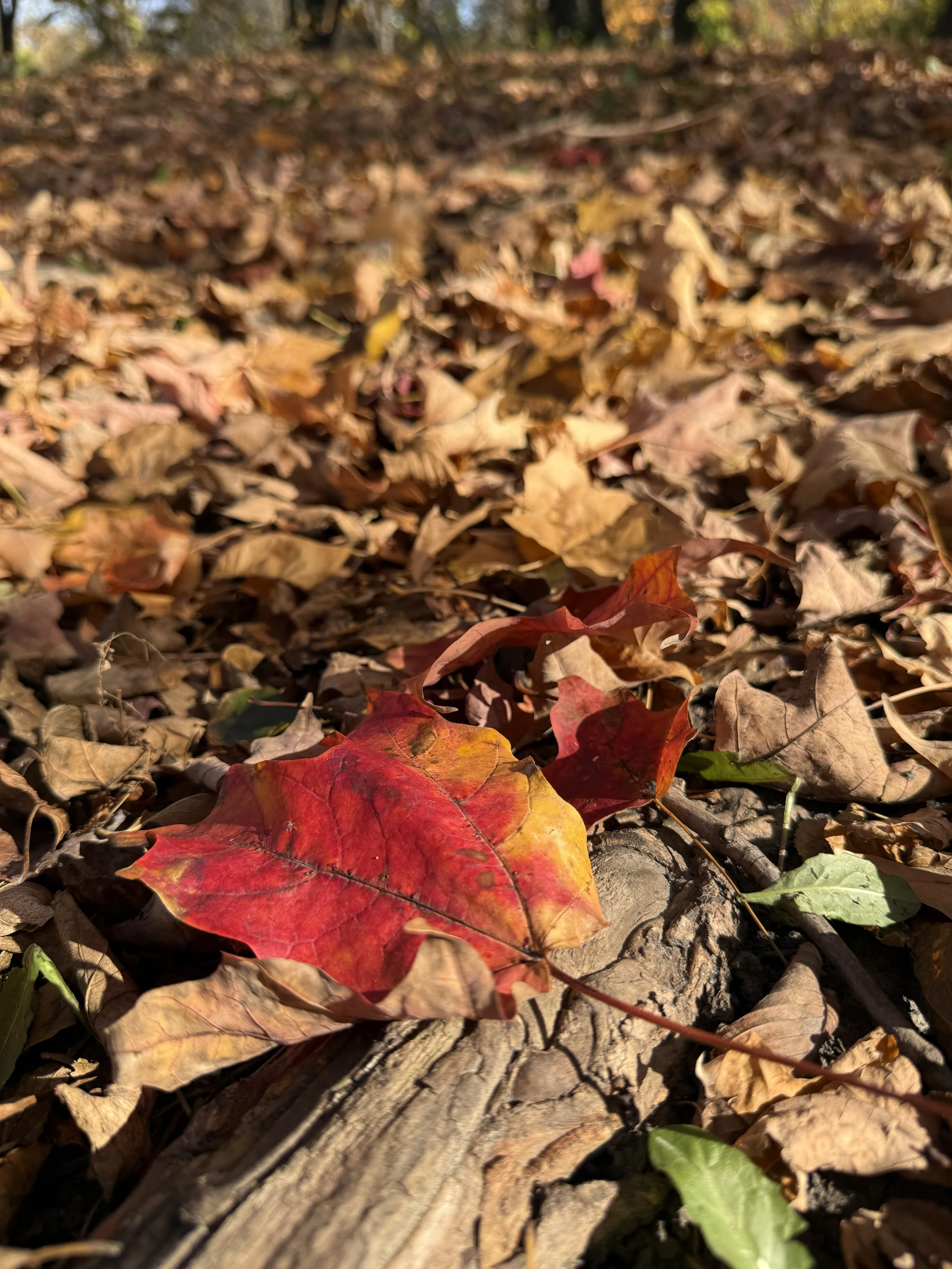
Fallen leaves are more than yard waste. They provide insulation and shelter for overwintering butterflies, moths, fireflies, and other beneficial insects. Rather than bagging every leaf, gently move them from lawns and walkways into garden beds, beneath trees, and around shrubs.
2. Keep the Seed Heads and Stems
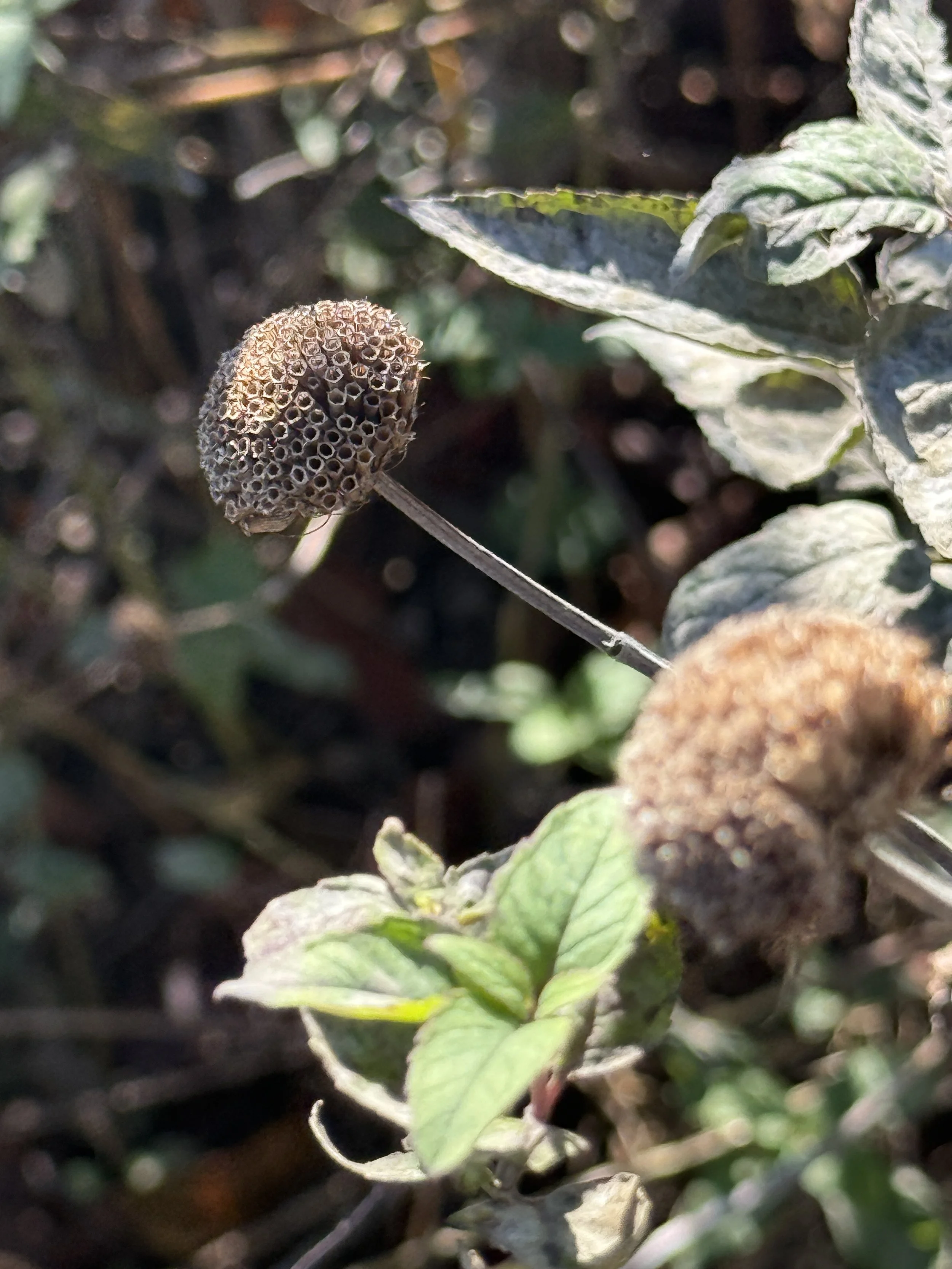
Resist the urge to cut every perennial down to the ground. Dried flower heads provide food for birds, while hollow and pithy stems offer nesting and overwintering habitat for native bees and other insects. Let healthy plants stand through winter and tidy them in spring.
3. Create a Little Shelter
A small brush pile, fallen branches, or a quiet corner of the garden can provide valuable cover for birds and other wildlife. Even a modest change in how we manage our landscapes can make a difference.
Of course, a thoughtful approach matters. Keep leaves away from storm drains, walkways, and areas where they can smother turf or delicate plants. Remove diseased plant material, and maintain the clear edges and pathways that keep a garden looking intentional.
A Different Kind of Fall Cleanup
At Rooftopia, we believe a beautiful landscape should do more than look good. It should work with the natural environment, support local wildlife, and bring something meaningful to the spaces we create.
Sometimes the best thing we can do for a garden is leave a little more of it alone.
This November, consider leaving a little wild in your landscape. The birds, butterflies, and pollinators will thank you in spring.