
July Native Plant Of The Month: Rudbeckia
Why Does Everyone Love Black-Eyed Susans? Meet One
of North America's Most Iconic Native Wildflowers
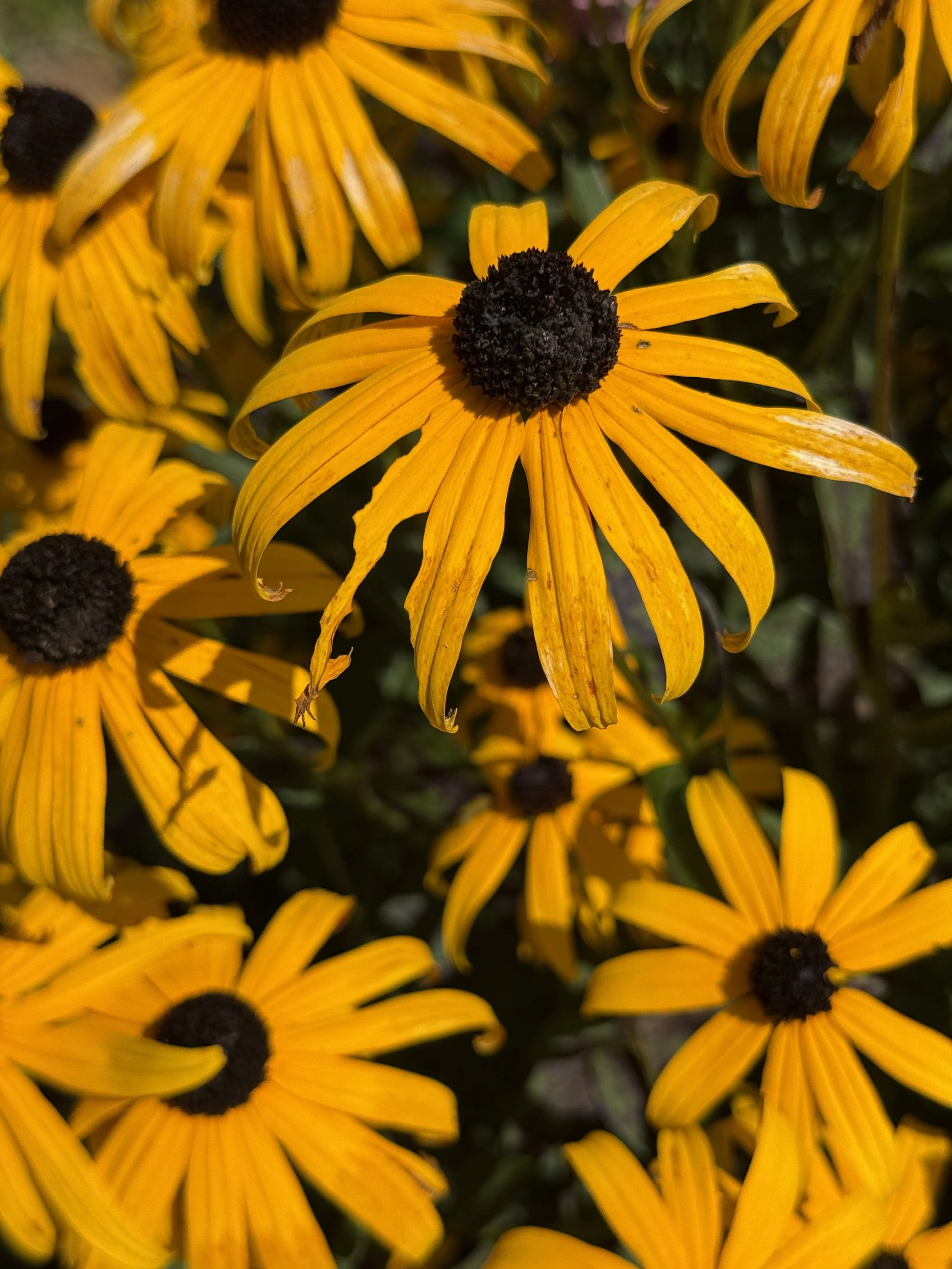
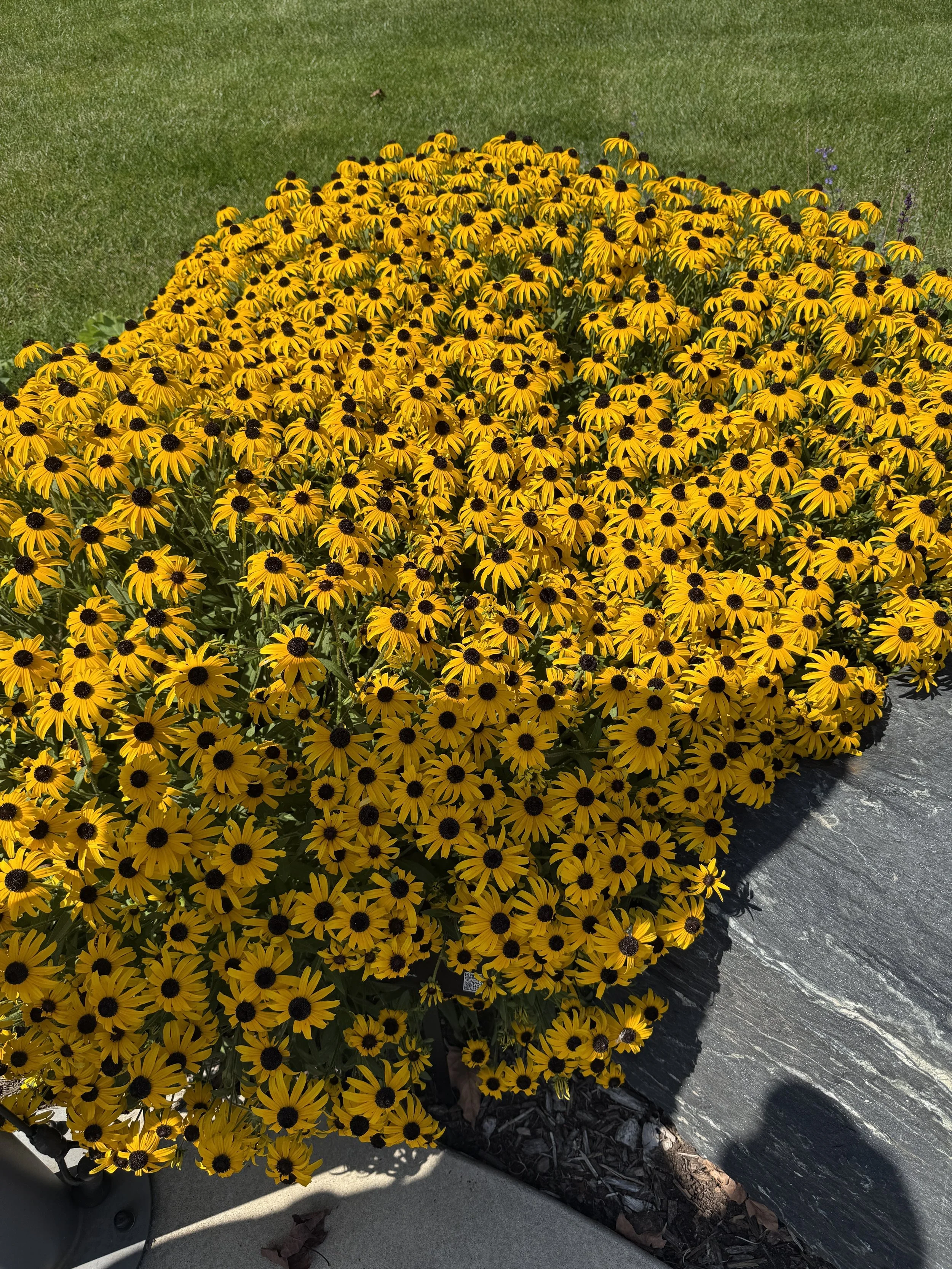
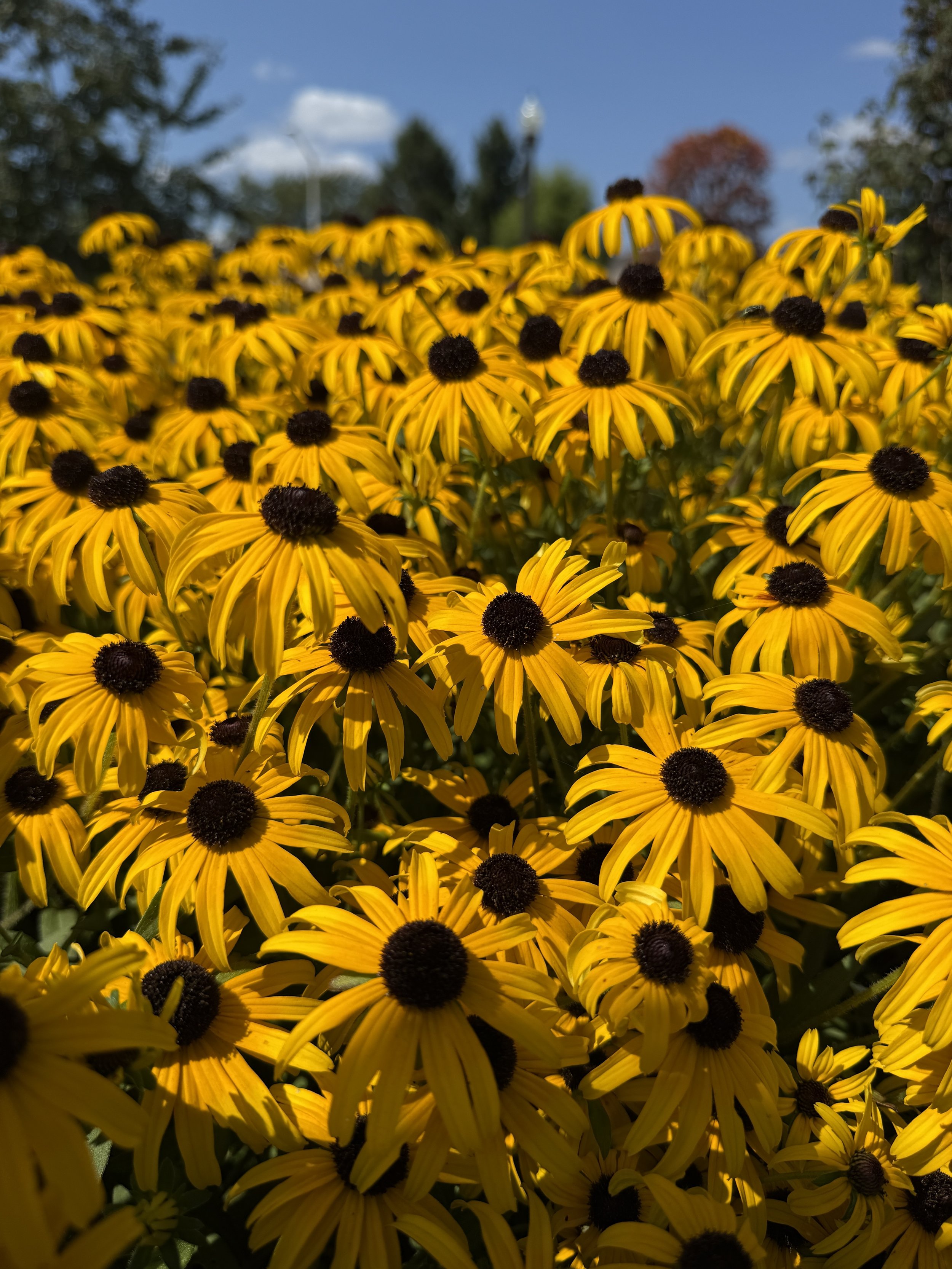
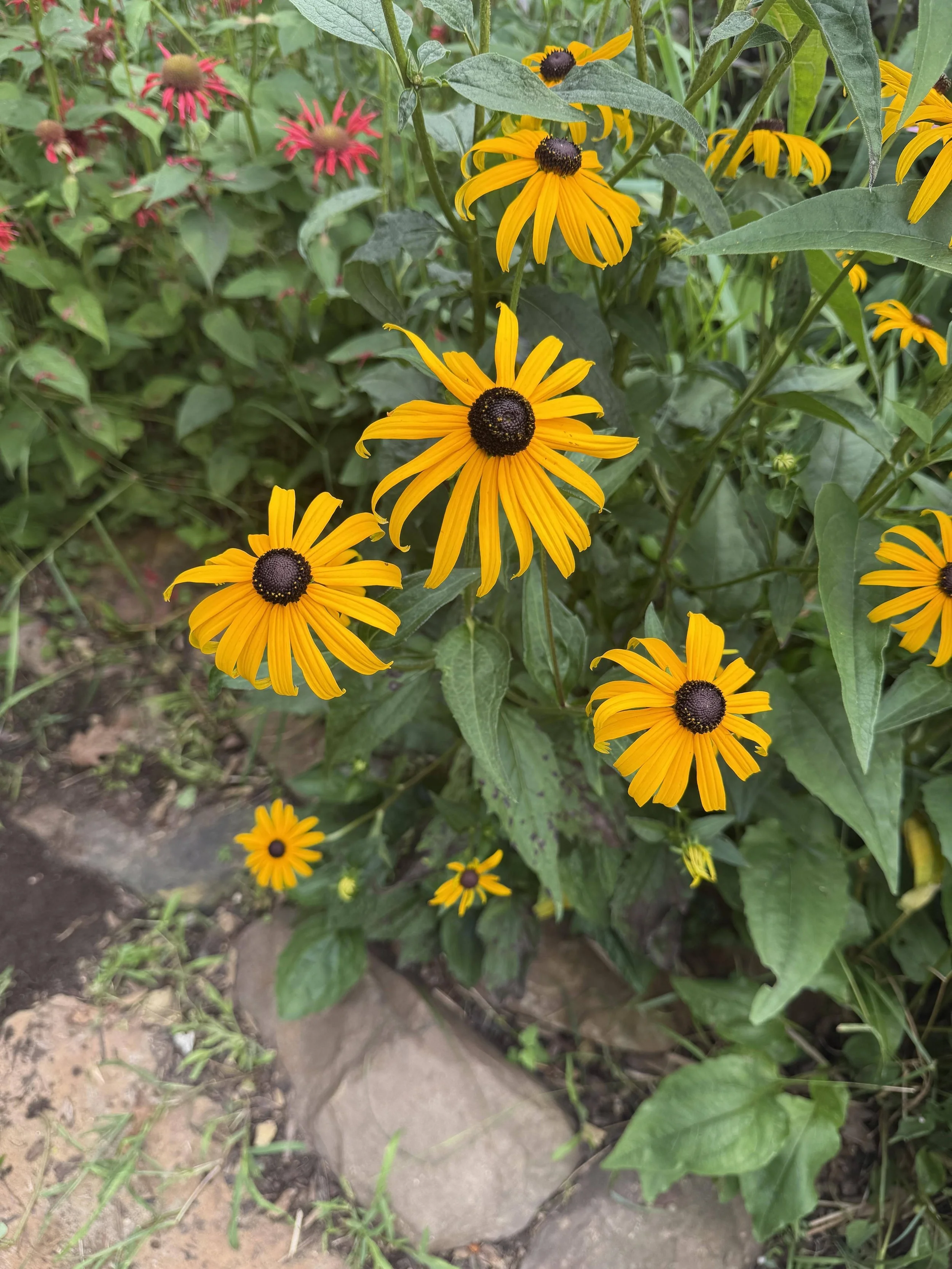
Few flowers capture the spirit of summer quite like the cheerful yellow blooms of Rudbeckia, commonly known as Black-eyed Susan. Instantly recognizable with its golden petals and dark chocolate-brown center, this beloved native wildflower has become a symbol of prairie landscapes, pollinator gardens, and carefree Midwestern summers.
Although Black-eyed Susans are commonly found in roadsides, parks, and cottage gardens, they're far more than a nostalgic summer flower. Native species of Rudbeckia are incredibly resilient, support a wide variety of pollinators, and provide months of color while requiring very little maintenance once established.
Whether incorporated into a naturalistic prairie planting, an urban garden, or a rooftop landscape, Black-eyed Susans bring beauty, biodiversity, and movement to the landscape.
What Does Rudbeckia Look Like?
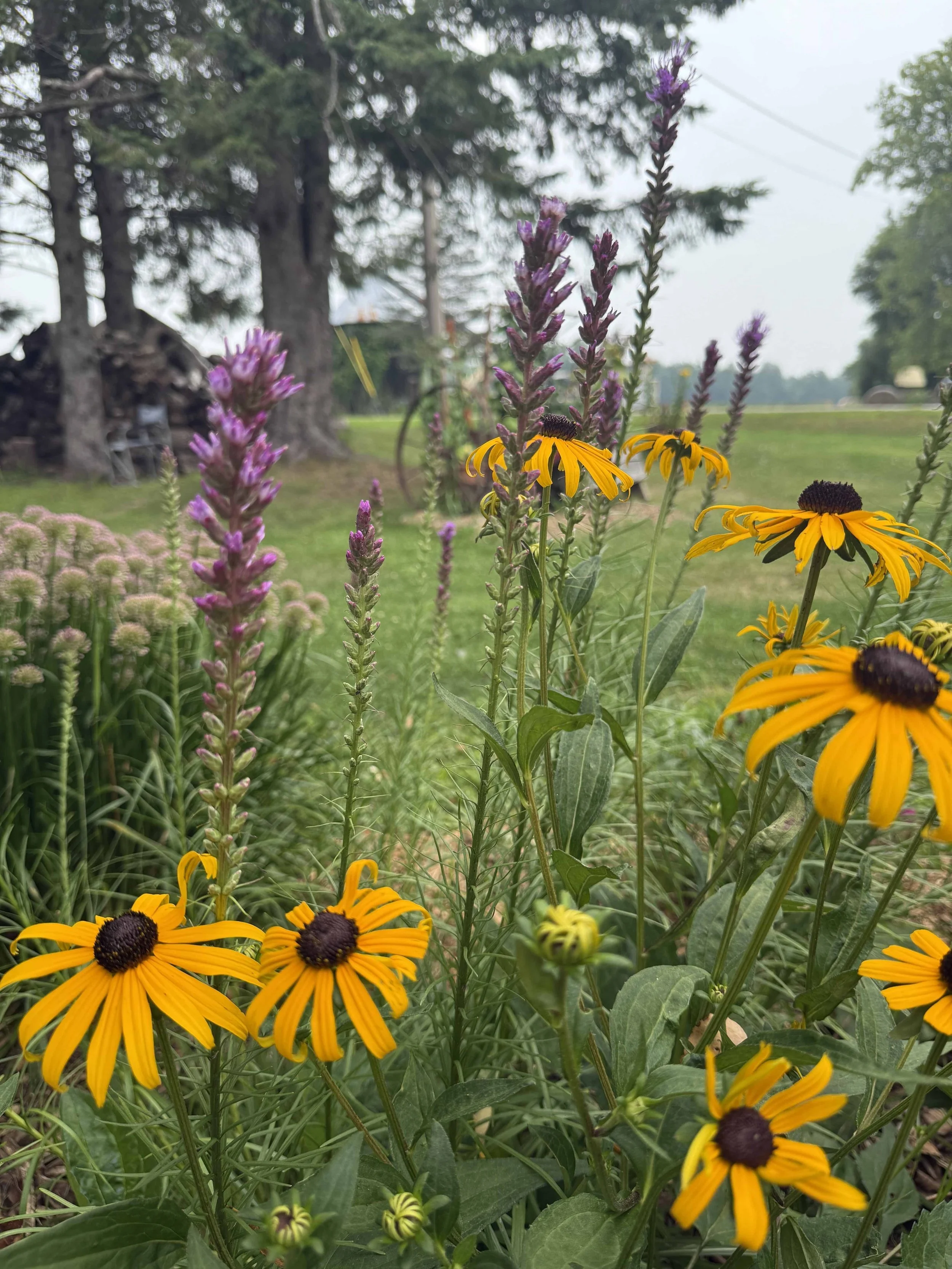
Native Rudbeckia forms upright clumps of sturdy stems topped with bright golden-yellow daisy-like flowers surrounding a distinctive dark central cone. Depending on the species, plants typically grow between 2 and 5 feet tall, creating bold drifts of color from midsummer well into early fall.
The flowers sway gently in the breeze, while rough-textured foliage provides a durable backdrop for neighboring perennials. Even after blooming, the seed heads remain attractive throughout autumn and winter, adding seasonal interest while providing food for birds.
Which Rudbeckias Are Native?
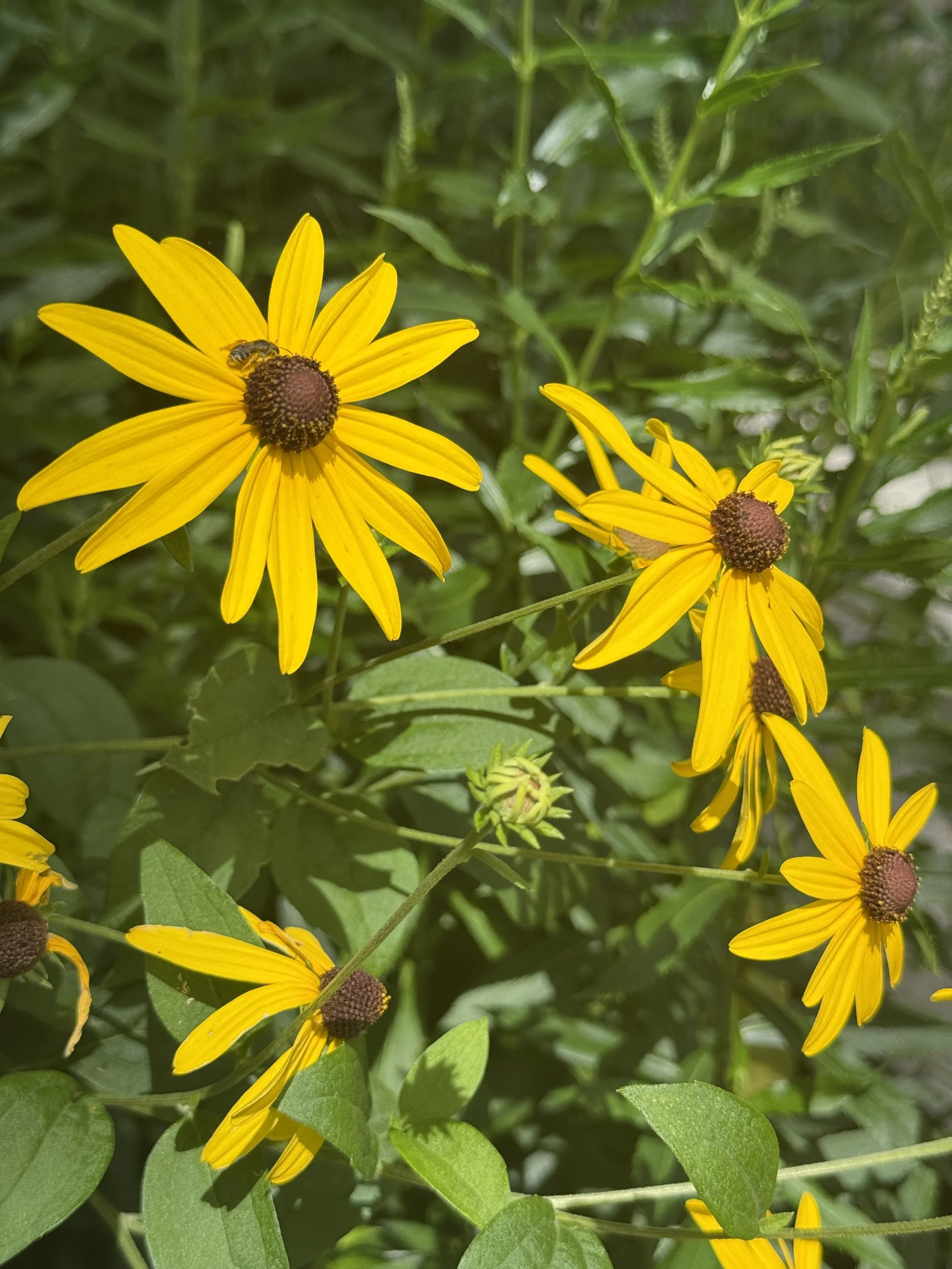
Several species of Rudbeckia are native to Illinois and much of the Midwest. Some of our favorites include:
Rudbeckia hirta – Black-eyed Susan (short-lived perennial or biennial)
Rudbeckia fulgida – Orange Coneflower
Rudbeckia subtomentosa – Sweet Black-eyed Susan
Rudbeckia triloba – Brown-eyed Susan
Rudbeckia laciniata – Cutleaf Coneflower
These native species provide excellent habitat value while thriving in a wide range of growing conditions.
Common Cultivars You'll See in Garden Centers
Many homeowners are familiar with popular cultivars rather than the straight native species. Some of the most commonly sold include:
'Goldsturm' (Rudbeckia fulgida var. sullivantii) – One of the most widely planted perennial Black-eyed Susans. Although selected in Europe, it originates from a North American native species and remains an excellent pollinator plant.
'Indian Summer' (Rudbeckia hirta) – Large golden flowers that bloom heavily during their first season.
'Prairie Sun' – A beautiful cultivar featuring green centers surrounded by soft yellow petals.
'Cherry Brandy' – Deep burgundy flowers bred primarily for ornamental color rather than ecological value.
While many cultivated varieties remain valuable in the landscape, we often recommend incorporating straight native species whenever possible to maximize ecological benefits for pollinators and wildlife.
Why We Love Rudbeckia
Black-eyed Susans offer an impressive combination of beauty and durability:
Long bloom season from July through September
Excellent nectar source for bees, butterflies, and beneficial insects
Seeds provide food for goldfinches and other songbirds throughout fall and winter
Extremely adaptable and drought tolerant once established
Thrives in urban conditions
Low maintenance and reliable year after year
Adds bold color to naturalistic plantings and formal perennial borders alike
Their ability to bridge the gap between ornamental beauty and ecological function makes them one of our favorite native perennials.
Wildlife & Pollinator Benefits
Black-eyed Susans are among the hardest-working plants in a pollinator garden.
Throughout summer, they attract: Native solitary bees, Bumblebees, Honeybees, Butterflies, Hoverflies and Beneficial predatory insects.
Later in the season, their seed heads become an important food source for American Goldfinches, whose bright yellow plumage often mirrors the flowers they're feeding upon.
Rather than cutting the plants back immediately after flowering, leaving seed heads standing through winter provides valuable habitat and seasonal interest.
Growing Conditions
Botanical Name: Rudbeckia hirta (and related native species)
Common Name: Black-eyed Susan
Hardiness Zones: 3–9
Light: Full sun (best flowering)
Height: 2–5 feet depending on species
Bloom Time: July through September
Native Rudbeckias prefer:
Full sun
Well-drained soils
Average to dry conditions
Moderate drought once established
They're excellent choices for:
Prairie gardens
Pollinator gardens
Rooftop planters
Naturalized landscapes
Cottage gardens
Rain gardens
Parkways
Meadow plantings
Perfect Plant Partners
Because Black-eyed Susans bloom in midsummer, they pair beautifully with plants that extend seasonal interest before and after their flowering period.
For early-season color, combine them with:
Prairie Smoke (Geum triflorum)
Baptisia
Penstemon digitalis
Spiderwort (Tradescantia ohiensis)
For midsummer combinations:
Purple Coneflower (Echinacea purpurea)
Wild Bergamot (Monarda fistulosa)
Blazing Star (Liatris spicata)
Culver's Root (Veronicastrum virginicum)
For late-season interest:
New England Aster (Symphyotrichum novae-angliae)
Smooth Aster (Symphyotrichum laeve)
Showy Goldenrod (Solidago speciosa)
Joe-Pye Weed (Eutrochium purpureum)
Native grasses provide beautiful contrast while supporting the upright flowers:
Little Bluestem (Schizachyrium scoparium)
Prairie Dropseed (Sporobolus heterolepis)
Switchgrass (Panicum virgatum)
A Little History
Black-eyed Susans have been growing across North American prairies for thousands of years, evolving alongside grazing bison, native bees, butterflies, and grassland ecosystems long before European settlement.
The plant's scientific name, Rudbeckia, honors Swedish botanists Olof Rudbeck the Elder and Olof Rudbeck the Younger, mentors of the famed botanist Carl Linnaeus, who formally named the genus in the 18th century.
Today, Black-eyed Susan remains one of the most recognizable wildflowers in North America and is even the state flower of Maryland. Its bright blooms have become an enduring symbol of summer gardens and restored prairie landscapes.