
June Native Plant of the Month - Linden Tree
What Is That Sweet Smell in Chicago Right Now?
Meet the American Linden Tree
There are few native trees more beloved in early summer than the American Linden, also known as American Basswood (Tilia americana). While many trees capture attention with showy flowers, the Linden earns admiration in a different way, with one of the most intoxicating fragrances found in the Midwest landscape.
Every June, people throughout Chicago and the surrounding suburbs ask the same question:
"What is that amazing sweet smell?"
More often than not, the answer is a blooming Linden tree.
Native to Illinois and much of eastern North America, the American Linden is a magnificent shade tree that supports pollinators, provides cooling summer shade, and fills neighborhoods with a honey-like fragrance that signals the arrival of summer.
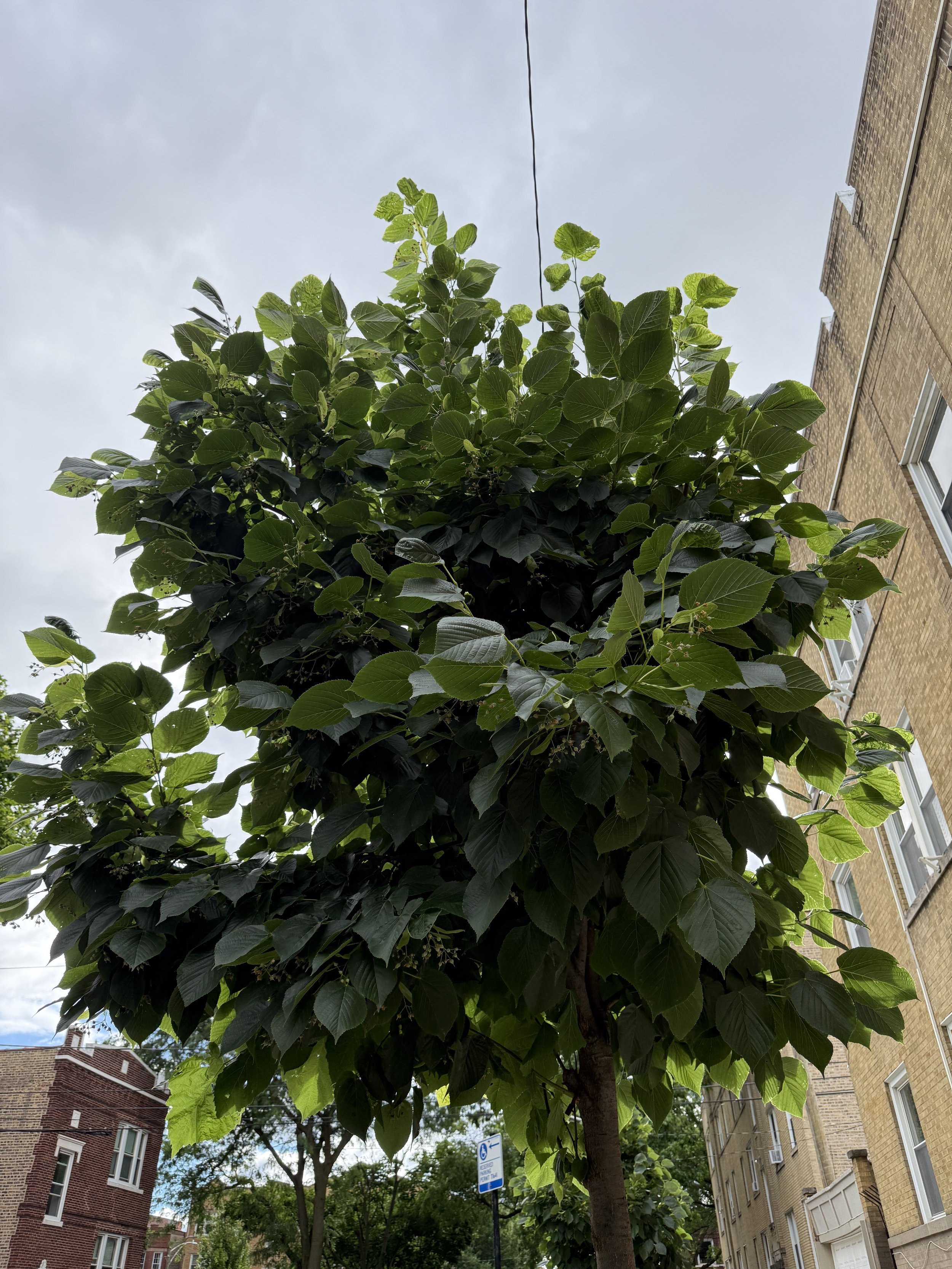
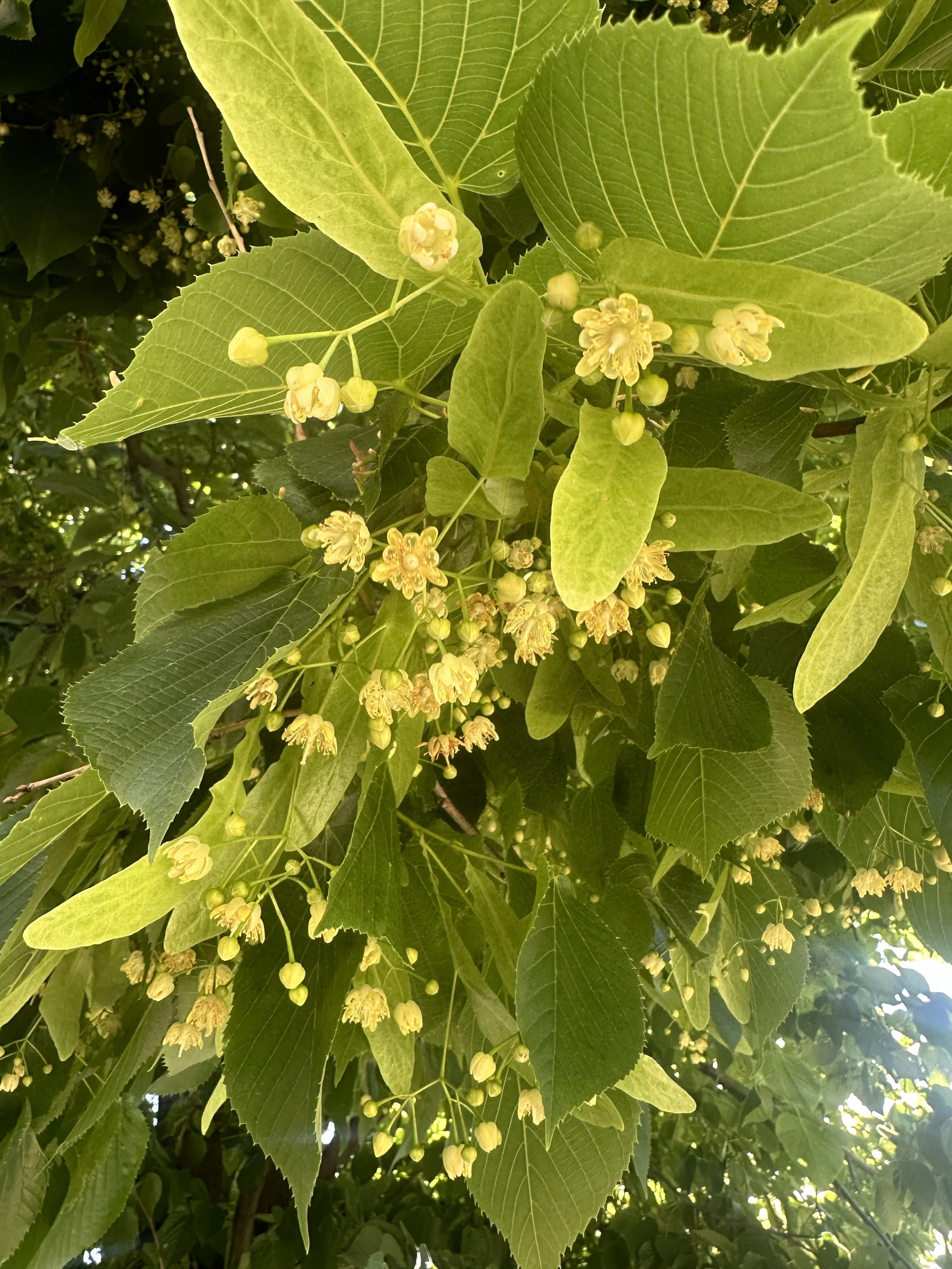
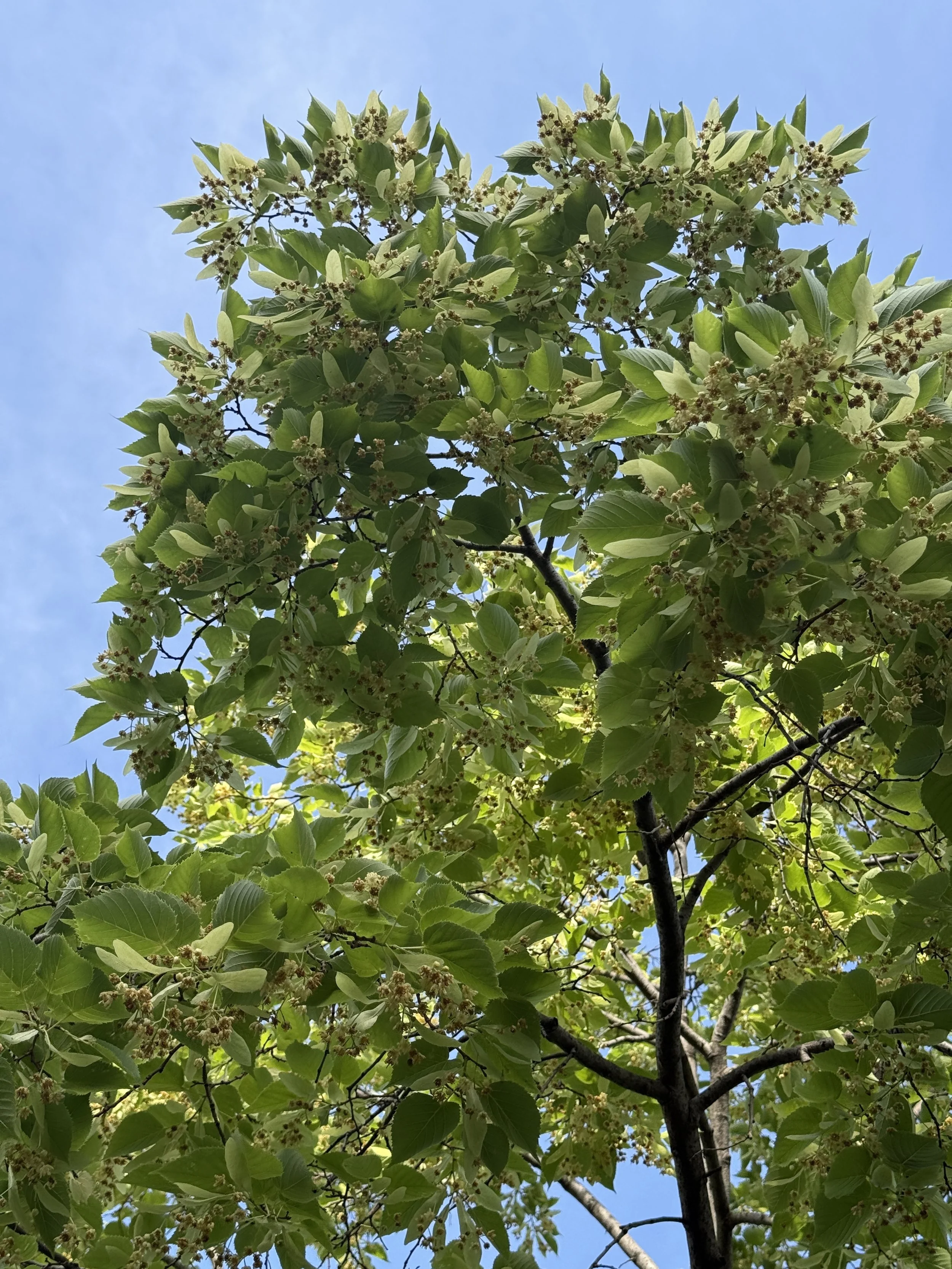
What Does an American Linden Look Like?
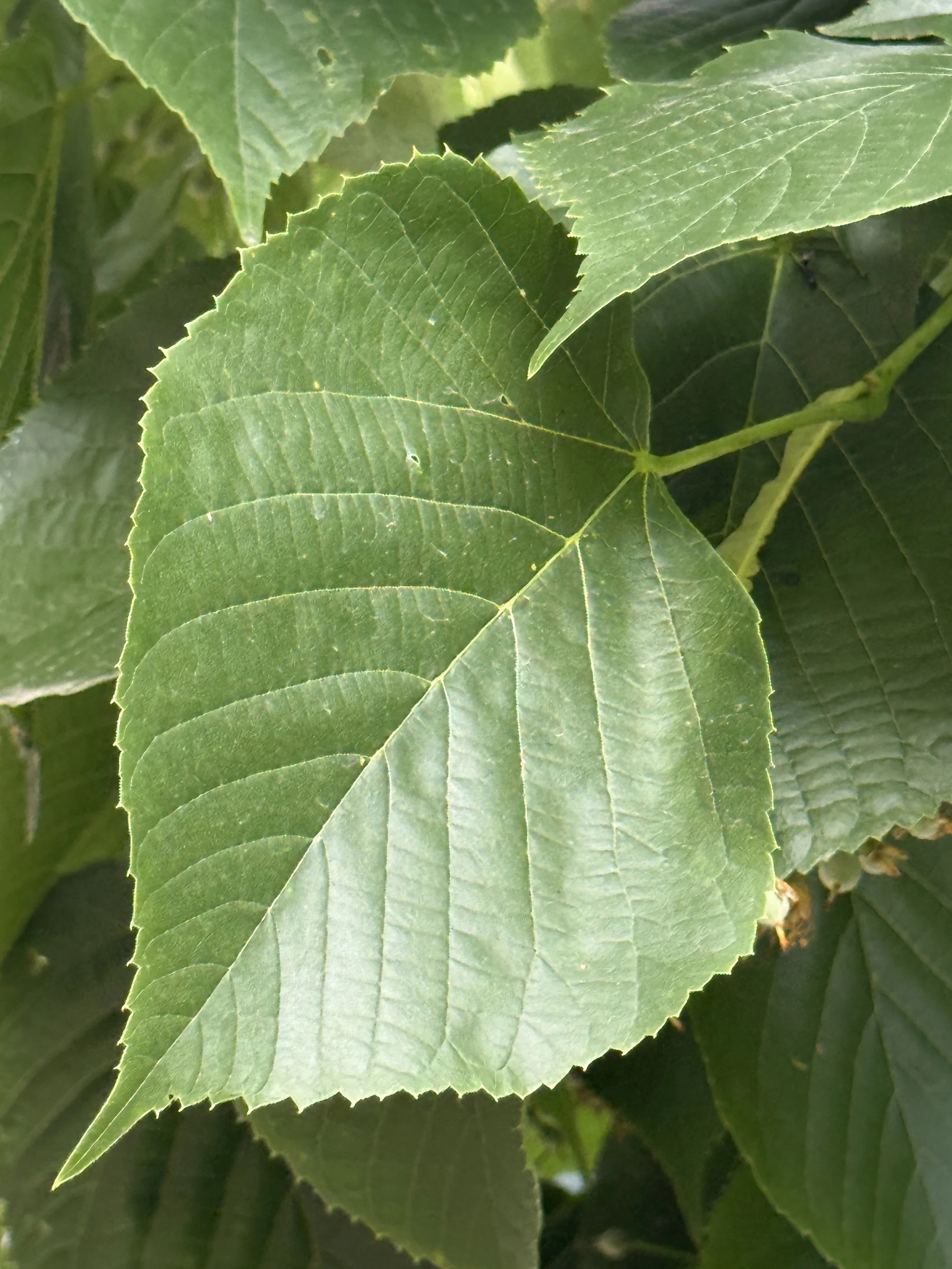
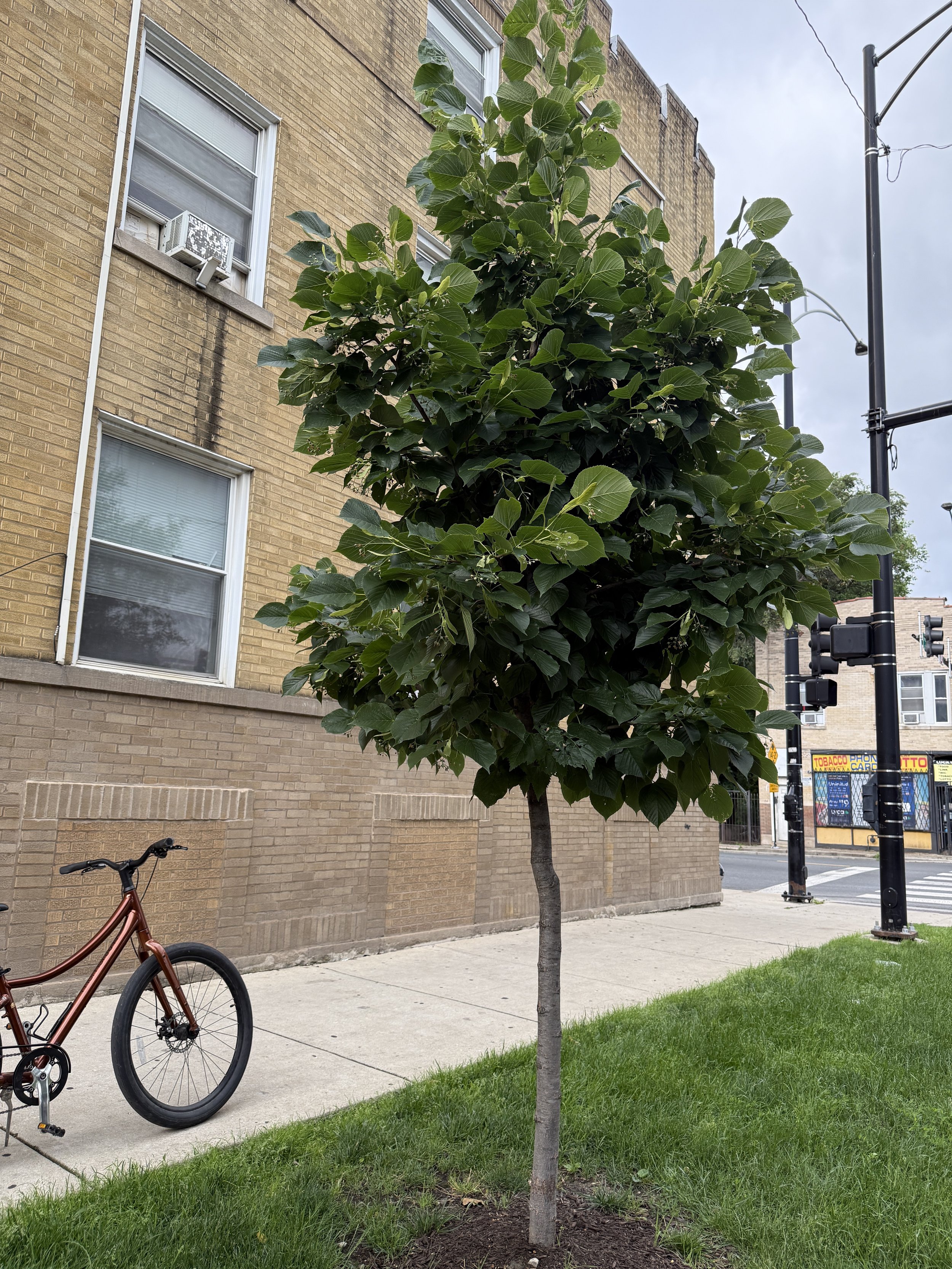
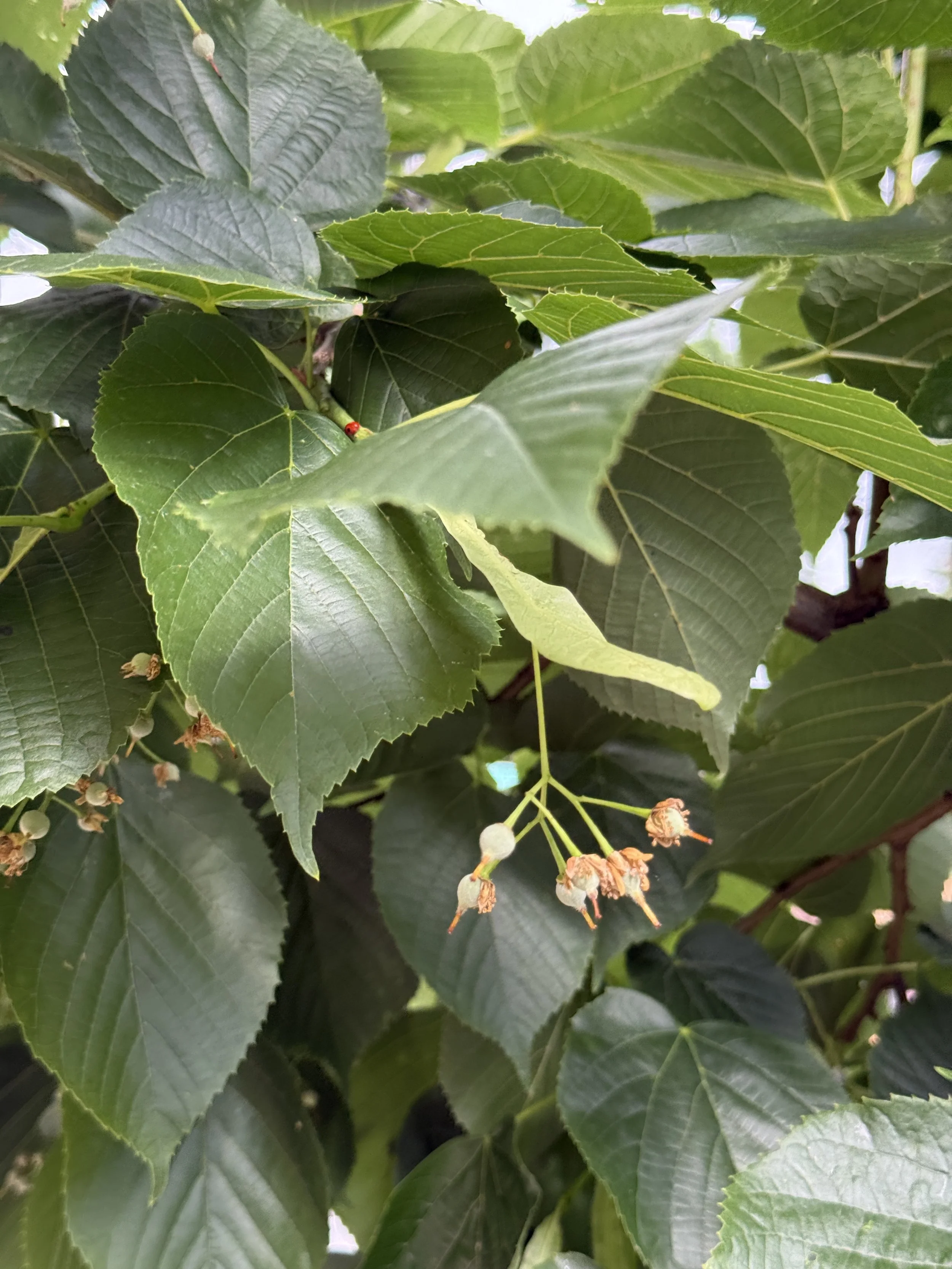
The American Linden is a large deciduous tree known for its broad canopy and distinctive heart-shaped leaves. Mature specimens can reach 60–80 feet tall and develop a graceful, rounded form that makes them excellent shade trees for larger residential properties, parks, and streetscapes.
In June, clusters of small pale yellow flowers emerge beneath the leaves. While the flowers themselves are relatively modest, their fragrance is anything but. The sweet scent can travel surprising distances, attracting both people and pollinators alike.
Throughout the growing season, Linden trees provide dense green foliage and welcome shade, helping cool homes, patios, and outdoor living spaces during Chicago's warmest months.
Why We Love the American Linden
The American Linden offers many ecological and landscape benefits:
Native to Illinois and the Midwest
Incredible sweet fragrance during bloom
Excellent shade tree for larger landscapes
Supports bees, butterflies, and other pollinators
Long-lived and adaptable
Beautiful heart-shaped foliage
Provides cooling benefits in urban environments
Valuable habitat for wildlife
For homeowners looking to invest in a tree that combines beauty, ecological value, and long-term impact, few species offer as much as the American Linden.
Wildlife & Pollinator Benefits
The American Linden is often considered one of the most important nectar-producing native trees in North America.
When it blooms, the canopy comes alive with native bees, honeybees, butterflies, and other beneficial insects gathering nectar from the fragrant flowers. Many beekeepers consider Linden bloom season one of the highlights of the year, and Linden honey is prized for its delicate floral flavor.
Beyond pollinators, Linden trees also support numerous native insects that contribute to a healthy food web for birds and other wildlife.
Hardiness Zone & Growing Conditions
Botanical Name:Tilia americana
Common Name: American Linden, American Basswood
Hardiness Zones: 3–8
Light: Full sun to partial shade
Height: Typically 60–80 feet tall
Spread: 35–50 feet wide
Bloom Time: June to early July
American Linden prefers:
Full sun to partial shade
Moist, well-drained soils
Moderate watering during establishment
Room to mature into a large canopy tree
It performs especially well in:
Residential landscapes
Larger urban gardens
Parks and public spaces
Pollinator-focused landscapes
Naturalized woodland edges
Sustainable landscape designs
Native Range in Illinois & North America
American Linden is native throughout much of eastern and central North America, including Illinois. Historically, it was a common component of rich woodlands and forest edges throughout the Midwest.
As urban development continues to reduce native tree canopy, planting native species like Linden helps restore habitat, improve biodiversity, and create healthier, more resilient communities.
Creating Beautiful Native Landscapes with Rooftopia
At Rooftopia, we believe trees are among the most valuable investments homeowners can make in their landscapes. Thoughtfully selected native trees provide beauty, shade, wildlife habitat, seasonal interest, and lasting environmental benefits for generations.
Whether designing a sustainable residential landscape, enhancing an urban garden, or creating pollinator-friendly outdoor spaces, our team specializes in selecting plants that are both beautiful and ecologically meaningful.
By incorporating native species like the American Linden into our designs, we help create landscapes that support local wildlife, improve urban environments, and enrich the daily lives of the people who enjoy them.
If you're interested in incorporating native trees and pollinator-friendly plantings into your landscape, contact Rooftopia to learn more about our design and planting services.
